After 75 years, the global refugee system is mostly about getting lucky
Ghulam Ali was 10 when he left Afghanistan during the Soviet invasion and spent four decades in Iran. Arrested in a purge last year, he was deported back alongside 14 family members. “I grew up there, worked there, buried my parents there,” he recently told a journalist. “But in the end, they threw us out like trash. I lost everything – my home, my little savings, my dignity.” On Bangladesh’s…
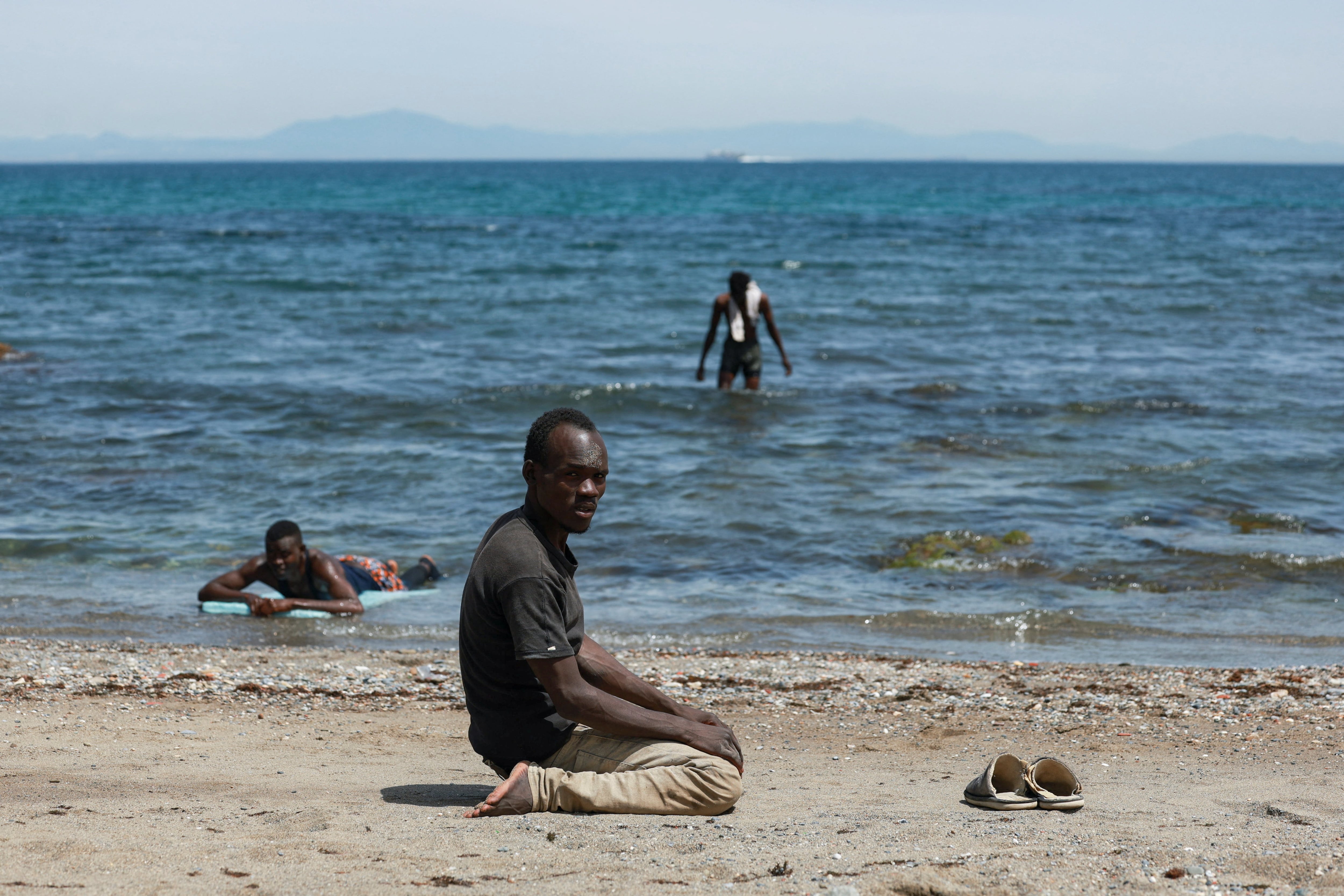
After 75 years since the enactment of the Refugee Convention, the global refugee system is primarily about chance. Ghulam Ali, who lived in Iran for 40 years, was deported from Afghanistan back to Iran alongside his family, losing everything in the process. Similarly, Jasim Uddin's brother perished while seeking passage on a sinking Malaysia-bound trawler off Bangladesh.
Despite the Refugee Convention's 75th anniversary, refugee numbers have fallen by 3%, the first decline in a decade, as 5.4 million people became refugees in 2025. However, 4.4 million returned to their home countries, mostly to Afghanistan, Syria, and Sudan.
The global refugee landscape is convoluted, with various categories such as Palestinians, asylum seekers, and stateless people. 6 million Palestinians remain in a precarious situation under UNRWA's mandate, while 7.2 million others require international protection. These administrative classifications hinder effective protection efforts. Moreover, refugees often face unequal treatment, with their welcome depending on host attitudes and many living in fear of expulsion.
Internally displaced individuals, numbering 82.2 million, often receive fewer rights than refugees. While 28 million are in forced labor, many do not qualify for refugee status. The Refugee Convention, initially designed for post-World War II European refugees, now faces challenges due to shifting geopolitics. Despite UNHCR's efforts, most states have not renounced the Convention, but legal routes and resettlement options are limited.
The Convention's universal applicability is limited, as 46% of signatories maintain reservations, and some countries, like Turkey, Jordan, Lebanon, and the Gulf states, have not signed at all.
Non-compliance with the Convention is less about renunciation and more about inadequate funding – UNHCR's $8 billion budget is only partially funded, and the organization is downsizing its presence. The EU's new Migration and Asylum Pact, allowing third-country hubs for processing and return, contradicts the Convention's spirit.
The US, under its Supreme Court ruling, has restricted refugee admissions. Nonetheless, public humanitarianism remains strong, evident in the generous contributions from countries like the UAE. Ultimately, a country's humanitarian credentials are not determined solely by its signature on the Refugee Convention.
Written by urgent.news from The National UAE's reporting — not their text. Machine-written — may contain errors; check the original before relying on it.