Accidental landlords are on the rise in housing markets where home prices are falling
Want more housing market stories from Lance Lambert’s ResiClub in your inbox? As ResiClub covered earlier this year , “accidental landlords” are rising in housing markets where sellers have lost pricing power. Indeed, as you can see in the scatter plot analysis ResiClub created in March 2026 , there’s a fairly strong negative relationship (R² = 0.58) between…
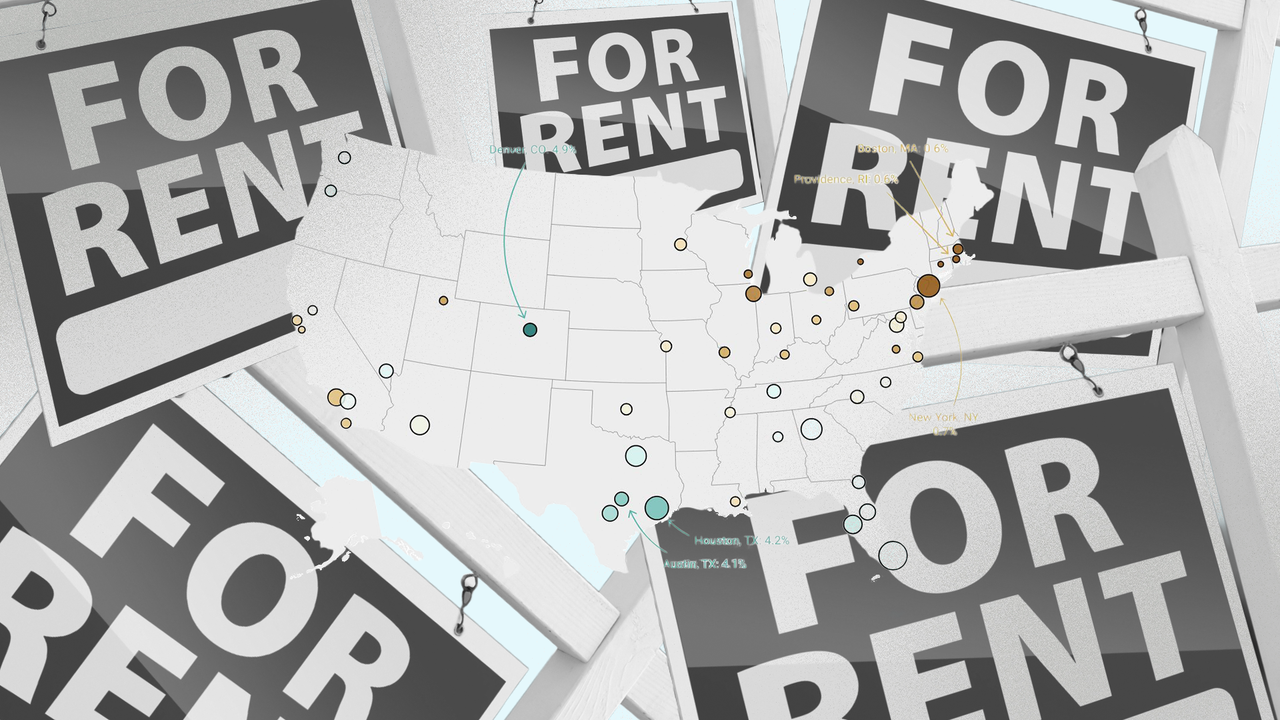
In housing markets where home prices are falling, a new trend is emerging: increasing numbers of "accidental landlords." These are homeowners who, after failing to sell their properties at their desired price, convert the homes into rental listings instead. A statistical analysis by ResiClub shows that larger home price corrections are associated with a higher share of accidental landlords in a metro area.
The strength of this relationship varies, with an R² value of 0.58 in one study, indicating a moderate but notable correlation.
While the decision to become an accidental landlord involves considerations of readiness and responsibility, it also carries significant tax implications. For instance, homeowners may qualify for a capital gains tax exclusion of up to $250,000 (or $500,000 for married couples) if they owned and lived in the home as their primary residence for at least two out of the past five years.
However, if the home is sold within three years of being converted to a rental, depreciation recapture taxes may apply, potentially eroding the benefits of the capital gains exclusion. This makes it crucial for accidental landlords to consider these financial factors and consult with tax professionals when making decisions about renting out their properties.
Written by urgent.news from Fast Company's reporting — not their text. Machine-written — may contain errors; check the original before relying on it.