A forgotten Swedish economist’s 130-year-old theory explains why investors won’t quit funding America’s near-$40 trillion pile of debt
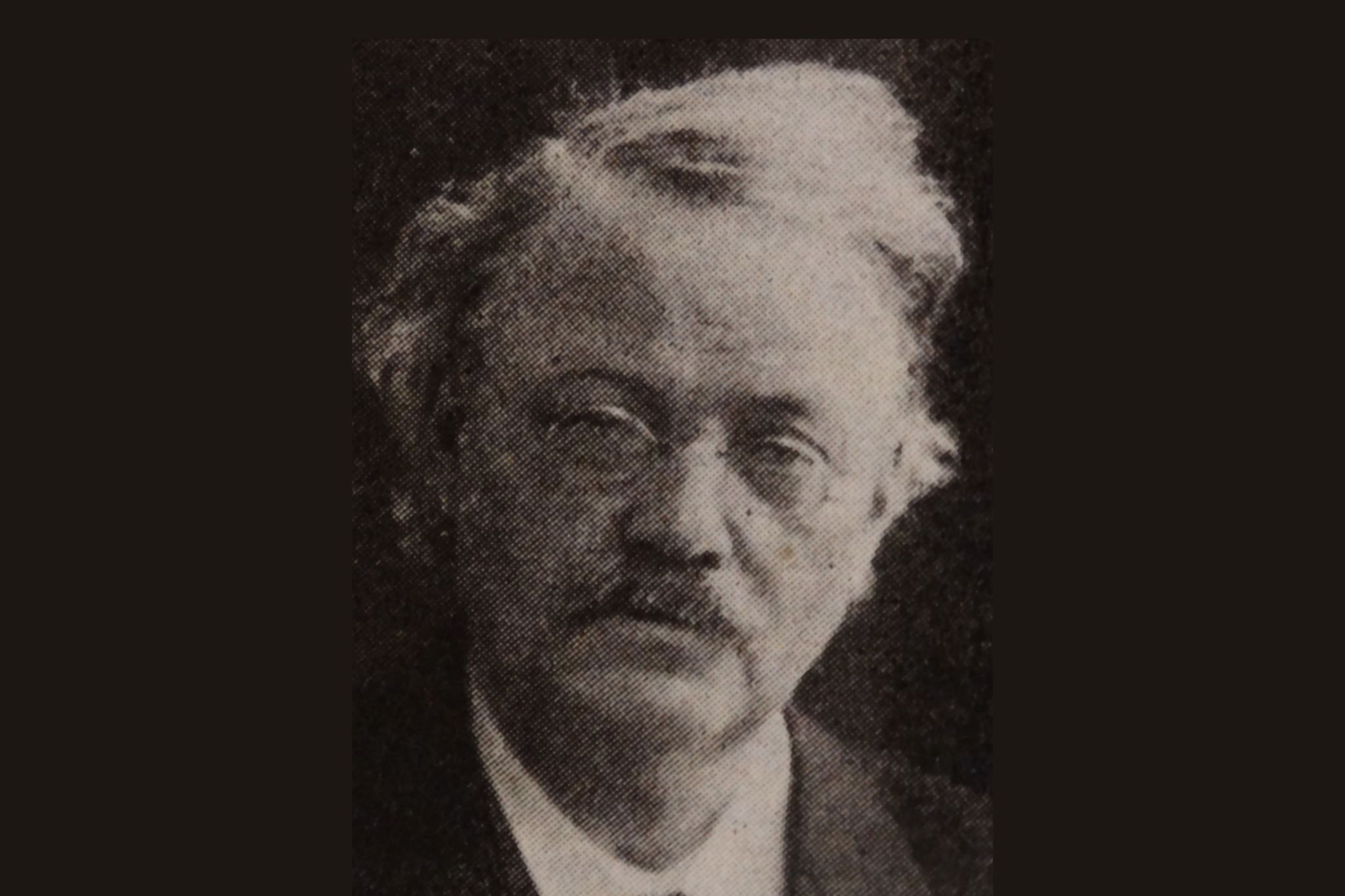
Although Knut Wicksell, a Swedish economist, remains little-known today, a theory he proposed over a century ago is gaining relevance once again. In 1898, Wicksell introduced the concept that inflation and economic instability arise from a disparity between market interest rates (determined by the Federal Reserve and banks) and the "natural rate of interest."
The "natural" rate, according to Wicksell, represents the return investors earn from investing in the economy as a whole (like stocks) rather than from cash deposits or bonds. Currently, the U.S. economy is so robust that its natural rate surpasses its official rates, which is why interest on American debt is comparatively low compared to its massive size.
Deutsche Bank suggests that an updated version of Wicksell's theory elucidates why investors find it challenging to relinquish funding America's nearly $40 trillion debt, which currently stands at $39.77 trillion and incurs $24 billion in weekly service payments. Despite the red flags in many economic indicators, lenders to the U.S. haven't demanded exorbitantly high interest rates on their loans, a fact attributed to the dollar's unique role in global finance and the prevailing confidence in America's economic prowess.
However, if the growth rates continue to lag behind the deficit levels, the public's perception of risk could alter, leading to a market readjustment, as previously cautioned by JPMorgan Chase CEO Jamie Dimon.
In a recent note by Deutsche Bank's chief investment office, Dr. Ulrich Stephan, Dr. Dirk Steffen, and Elena Ahonen highlight that the sustained deficits indicate that the U.S. is "fundamentally living beyond its means." Yet, America's position in the international financial system has thus far enabled it to "enjoy risk-free market interest rates that were below its estimated natural rate of interest."
This advantage is gradually diminishing. The Deutsche team argues that the risk-benefit balance of investing in the U.S. versus keeping money in a bank has significantly shifted due to the AI-led economy spearheaded by U.S. hyperscalers. They note that the high return on equity (ROE) available in certain U.S. sectors, particularly tech, is either complementing or, in some instances, surpassing the structural/geopolitical factors that have historically supported inward investment in the U.S. Since the 1940s.
They explain, "In recent years, investor interest in the U.S., and thus its ability to sustain deficits, has been bolstered by the country's relatively high productivity growth and high return on equity, largely the result of the country's successful technology sector and dominant position in artificial intelligence." While the arguments from experts like Bridgewater Associates founder Ray Dalio that the U.S. is living beyond its means remain valid, the Deutsche team contends that investors are now more willing to funnel funds into U.S. deficits because, as a nation, it offers better returns on investments compared to alternative options.
This dominance, however, creates a fiscal loop: if the U.S. government ceased investing in AI, the confidence in the sector would wane, leading to increased borrowing. The Deutsche team concludes that the U.S. economy can thus be viewed as both benefiting from and being victim to its own success.
Written by urgent.news from Fortune's reporting — not their text. Machine-written — may contain errors; check the original before relying on it.