300-seat Parliament will burden the state, says Inusah Fuseini
Former Tamale Central Member of Parliament, Inusah Fuseini, has criticised the proposal to increase the size of Ghana's Parliament to 300 members.
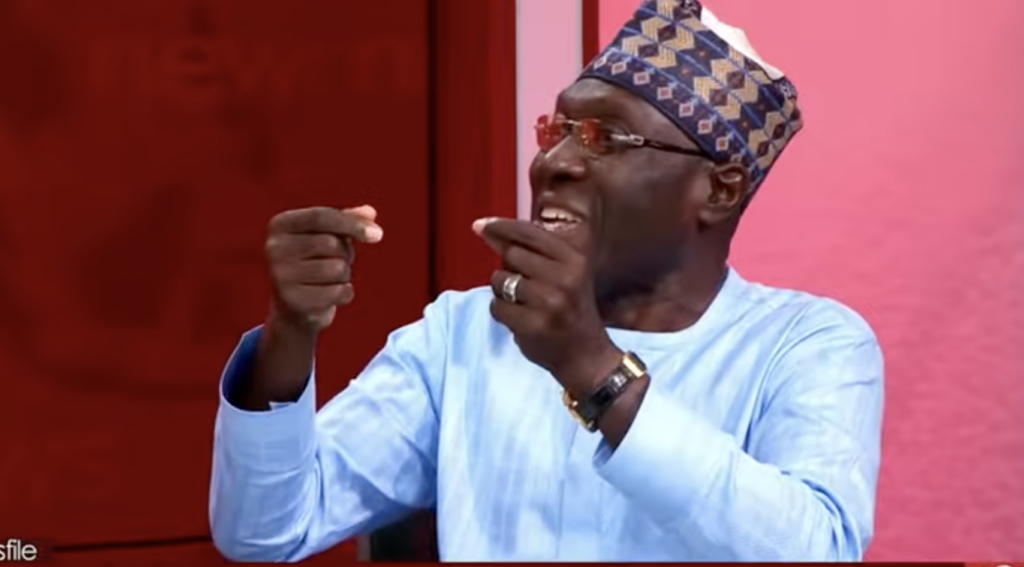
Former Tamale Central Member of Parliament Inusah Fuseini has voiced strong opposition to the government's plan to expand Ghana's Parliament to 300 members. In an interview on Citi FM, Fuseini argued that this proposal would impose an unnecessary financial strain on the nation without addressing existing issues in legislative representation.
The plan, outlined in the government's White Paper derived from the Constitutional Review Committee's recommendations, aims to establish a cap on the number of Members of Parliament, aiming to limit the House to 300 seats. Fuseini contended that efforts should be directed towards reviewing and rectifying the current constituency structure, which has led to uneven representation, especially in rural regions.
He proposed that after a thorough review of constituency boundaries, the remaining seats could be allocated through a proportional representation system, thereby ensuring broader participation from women, young people, persons with disabilities, and other underrepresented groups without a significant rise in the number of elected MPs.
Fuseini suggested capping Parliament at 275 members, with the final 25 seats filled through proportional representation. He questioned the feasibility of a 300-member Parliament, pointing out that the existing parliamentary chamber is already overcrowded and would require the construction of a new chamber if the membership were increased, which he viewed as another contentious issue.
The 300-member cap is part of a larger constitutional reform agenda aimed at enhancing democratic governance and improving representation. However, Fuseini emphasized that any reforms should focus on efficiency, inclusiveness, and the prudent use of public resources, rather than merely increasing the number of legislators.
Written by urgent.news from MyJoyOnline Ghana's reporting — not their text. Machine-written — may contain errors; check the original before relying on it.