Yen climbs for third straight session with traders on alert for intervention
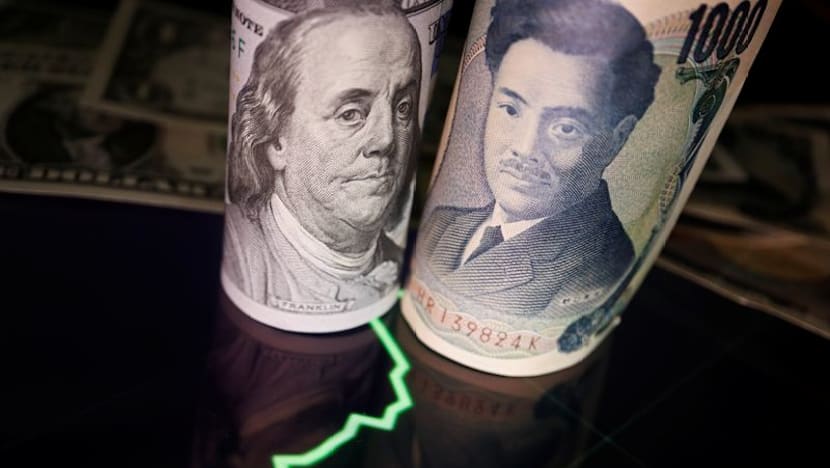
The yen continued its three-day rise on Monday, prompting traders to remain vigilant for possible intervention from Tokyo and Washington. This comes after the currencies were supported by the two nations during the previous week. Meanwhile, oil prices dropped by more than $4 a barrel following President Donald Trump's decision to refrain from a new confrontation with Iran, diminishing the appeal of the safe-haven greenback.
Iran indicated that it is not currently in discussions with the United States. Higher energy prices are anticipated to have a more significant impact on the economies of the Eurozone and Japan, both of which are major energy importers, while the United States is perceived as relatively insulated from oil shocks.
Japan and the United States carried out synchronized yen-buying intervention and are prepared to take additional measures if necessary, as confirmed by Japan's finance ministry on Monday. Speculation exists that Japanese authorities could intervene again. According to Stephen Spratt, APAC developed markets rates strategist at Societe Generale, the dollar/yen exchange rate is currently 1.5-2 standard deviations above the long-term trend, suggesting the risk of intervention is heightened. At the moment, this range is between 162.72 and 164.96 yen per dollar.
The Japanese currency gained 1 percent in the Asian session, reaching a peak of 155.20 per dollar, the strongest level in approximately three months, before experiencing a slight decline. It previously rose 0.45 percent to 156.65 yen per dollar. A significant accumulation of short yen positions has taken place, and the unwinding of these positions often leads to a rapid appreciation of the yen. Hirofumi Suzuki, SMBC's chief forex strategist, commented on Monday's movement.
The yen's surge followed a more than 3 percent increase over two trading sessions at the end of the previous week. Japan's finance ministry confirmed that it had engaged in joint yen-buying intervention with the U.S. on Friday. Bank of Japan data suggested that Tokyo may have purchased up to $58.97 billion worth of yen on Thursday.
The yen has faced years of downward pressure, exacerbated by the Bank of Japan's gradual approach to tightening monetary policy, which has maintained a wide yield differential between Japan and the rest of the world.
Barclays analysts stated that even if the yen were to strengthen in the short term, long-term downward pressures remain. They believe that repatriation of funds would be the most effective long-term policy to influence the currency. Market participants are concerned that Japan's expansionary fiscal policy could negatively impact the currency.
The dollar index remained unchanged at 99.79, having fallen over 1.5 percent last week. In contrast, the euro increased by 0.03 percent to $1.1525 following a fresh 1-1/2-month high of $1.1559 in Asian trading.
The dollar's lack of a broad decline might be attributed to the uncertainty surrounding a potential Federal Reserve interest rate hike in September. Chris Turner, global head of forex at ING, noted that the drop in oil prices could also be a factor in the dollar's stability. He suggested that the Federal Reserve may avoid raising rates in September if U.S. data is insufficiently disappointing. A key factor in this decision is expected to be the upcoming jobs data.
Written by urgent.news from Channel News Asia's reporting — not their text. Machine-written — may contain errors; check the original before relying on it.