Why Is the U.S. Running So Low on Weapons?
Allies that depend on U.S. military equipment need a Plan B.
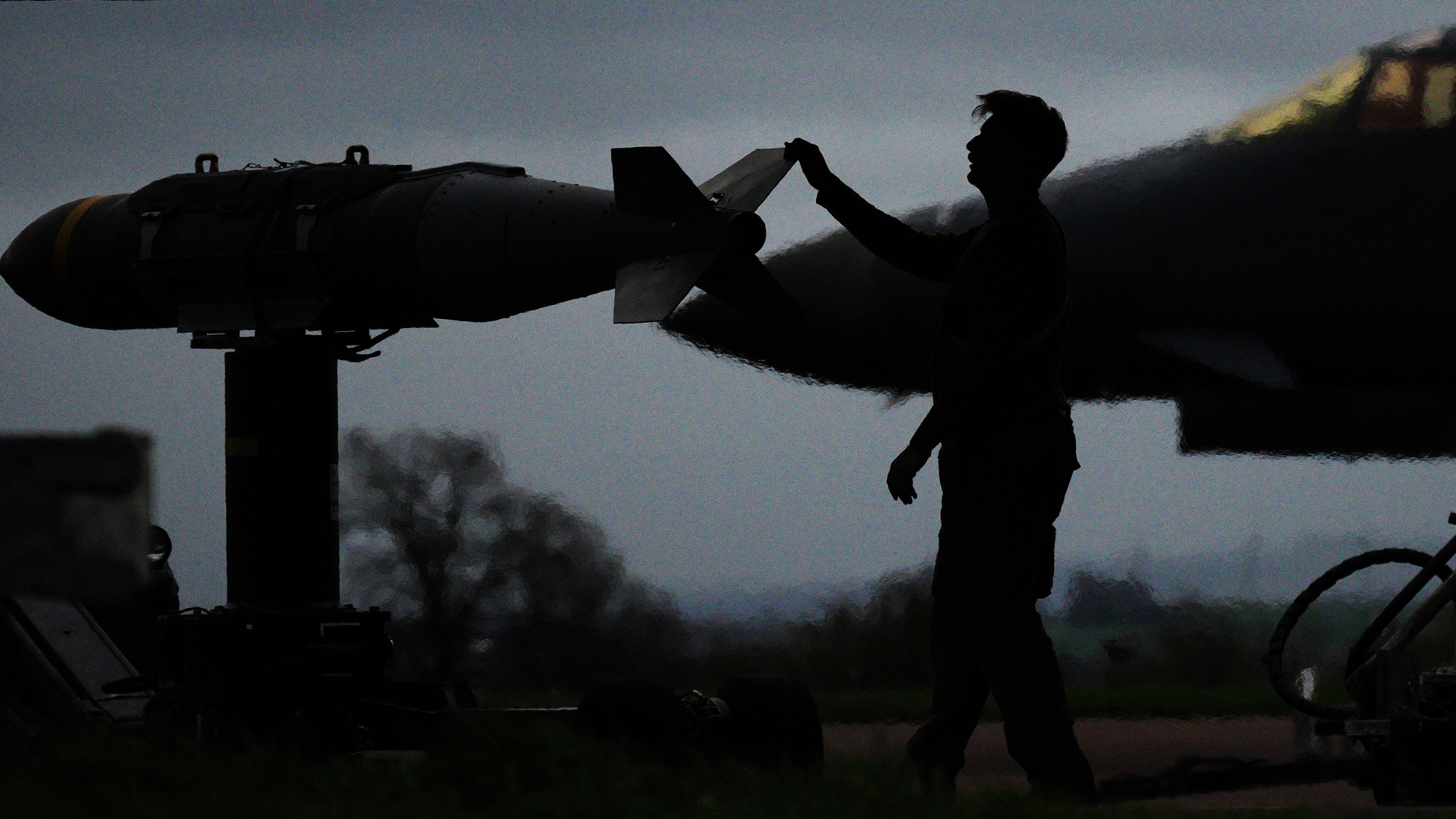
The United States is facing significant challenges in its military operations in the Middle East due to a shortage of weapons and munitions. Since the start of hostilities with Iran, the U.S. has depleted a substantial portion of its advanced air-defense systems, including Patriot and THAAD interceptors, and a third of its Tomahawk cruise missile stockpile.
These losses are particularly concerning given the shift in modern warfare toward cheap, unmanned aerial vehicles, which Iran can quickly assemble for a fraction of the cost of U.S. systems. The situation is exacerbated by the long production cycle of these advanced systems, meaning replenishing the supply could take several years.
This arms deficit not only affects the ongoing conflict but also signals to allies that the U.S. may not be as reliable as a military partner. As a result, the U.S. is hesitant to escalate the conflict, fearing it could exhaust its remaining supplies and leave its forces vulnerable. The root cause of this issue lies in a long-term neglect of the U.S. military-industrial base, which has led to a decline in strategic industries and an underestimation of the need for large-scale munitions in future conflicts.
Brief written by urgent.news from The Atlantic's own syndicated text. Machine-written — may contain errors; check the original before relying on it.