What I got wrong building a browser extension with an AI assistant
First hour with Claude's browser extension: I pointed it at our LLC registration and watched it work through the forms, finding the right pages, filling the fields, moving on. I sat there holding a coffee, contributing nothing. I thought: I'm going to ship so many products. I shipped one. Here's what happened in between. Everything below was caught before launch. None of it was caught by being…
I embarked on building a browser extension with an AI assistant and learned that the idea was not the hard part. Other products with similar features existed, but it was good implementation and distribution that mattered most. Designing the product while building it proved crucial; critical decisions like referral behavior, translating content across pages, and handling trial expirations were made under pressure.
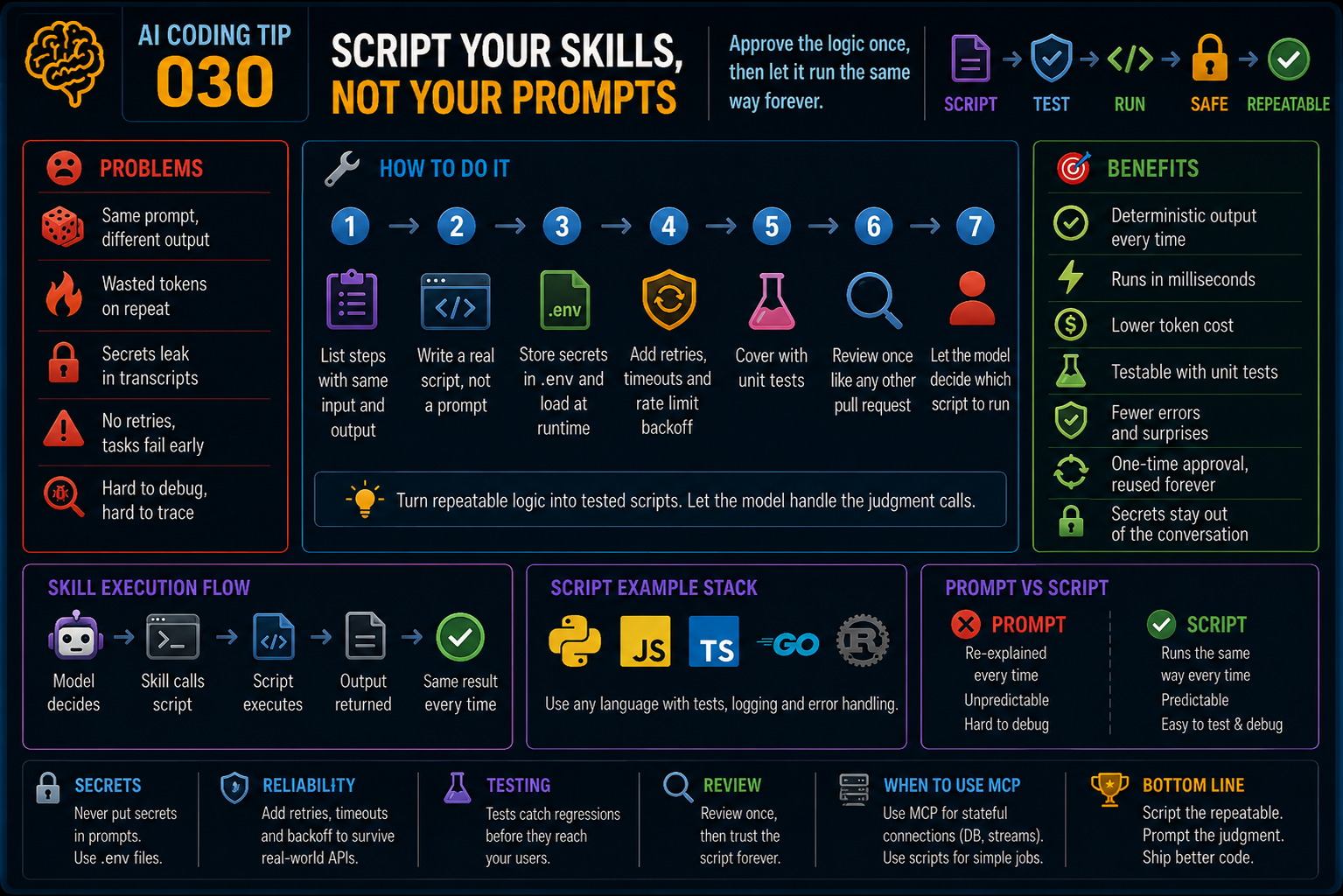
I emphasized documenting every step of the workflow and verifying completion with code rather than assumptions. I encountered numerous issues, such as missing changes in landing pages, inconsistent updates, and incorrect information in the store. It became apparent that making claims about completion without verifying the code led to problems.
The AI assistant often seemed to build something I hadn't explicitly requested, and bulk edits could cause significant damage. I learned that the store takes its information from a file inside the package, not from the dashboard where it was initially entered. Additionally, hardcoded IDs in the extension could cause failures for store users.
A "rate us" button, for instance, had a hardcoded ID that failed for everyone in the store after deployment. The extension's sign-in functionality also dropped, which took days to diagnose due to server-side client default settings. My listing's copy claimed instant performance, but it became slow, leading me to update the description multiple times.
Automated risk scores measured declarations rather than behavior, which led to my extension being labeled high risk. The study by UCL, UC Davis, and Mediterranea University found that several AI browser assistants were transmitting full page content and capturing sensitive data. While the risk scores and the study measured different aspects, the extension directory's rating contributed to my extension being classified as high risk.
I realized that risk assessments focused on declarations, not actual behavior. I discovered the importance of testing what couldn't be clicked, like automated discount codes and referral attribution. It took querying the database directly to verify these functionalities, as the assistant couldn't interact with them. I also learned that rules should be documented rather than communicated via chat messages, as new sessions start from scratch with documents.
When working with code, it's essential to paste the latest file into the system and ask for specific changes, ensuring it confirms no other alterations occurred. Lastly, I found that while the assistant could provide amusing analogies and explanations, it was not suitable for the product's purpose of delivering factual, unbiased information across various languages and demographics.
The SEO lesson revealed that the clean, machine-readable structure of my explanations led to accidental quoting in a Google AI answer, highlighting the value of deliberate SEO optimization.
Written by urgent.news from Dev.to's reporting — not their text. Machine-written — may contain errors; check the original before relying on it.