What happens if the Fed holds fewer policy meetings
Federal Reserve chairman Kevin Warsh is reportedly weighing whether the central bank should hold fewer policy meetings each year. Why it matters: Cutting the Fed's meeting schedule would be the biggest change to the process of monetary policymaking in decades, reducing the procedural burden on staff but giving policymakers fewer routine opportunities to adjust interest rates as the economy…
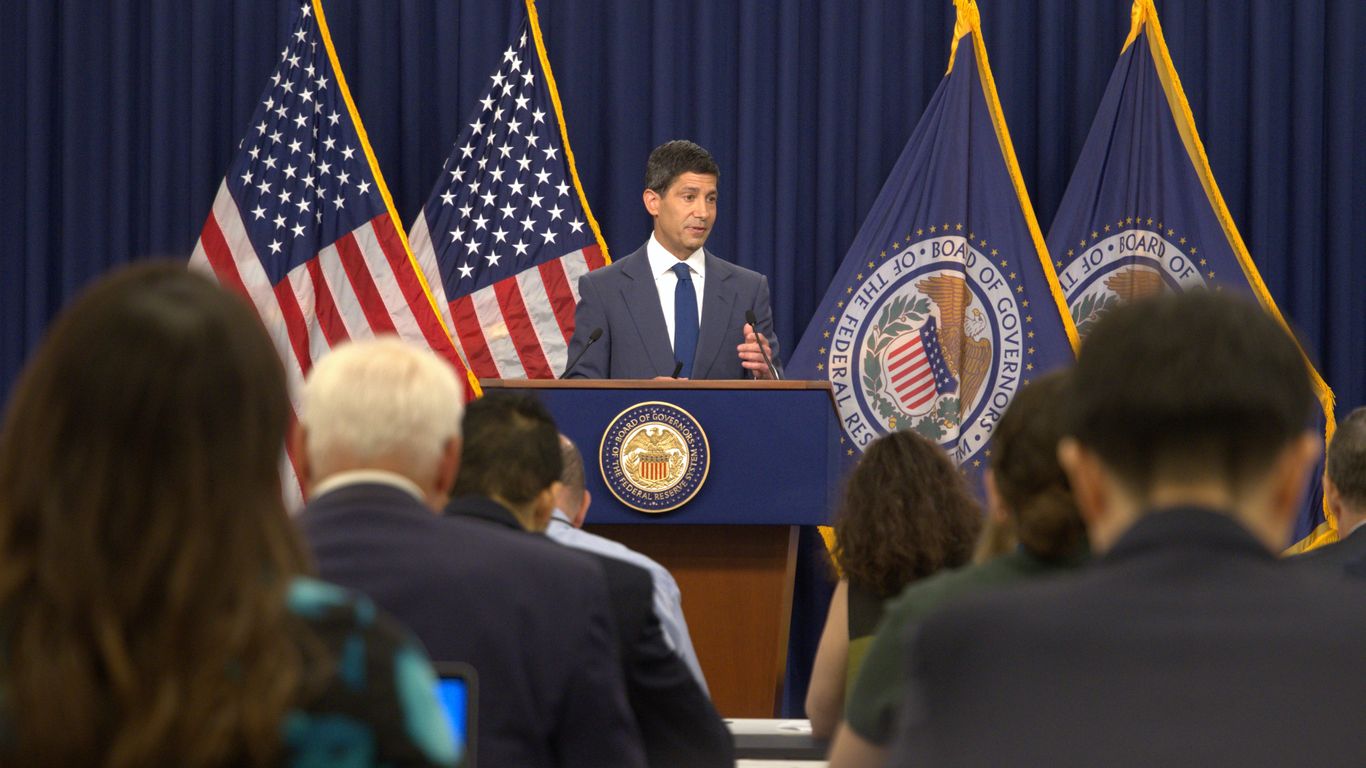
Federal Reserve Chair Kevin Warsh has been considering whether the central bank should reduce the number of policy meetings annually. This proposal would be a significant shift in monetary policymaking, as it would decrease the procedural workload on staff while limiting the frequency of interest rate adjustments. According to the New York Times, Warsh suggested holding six rate-setting meetings and two additional meetings for broader economic matters each year. The change could potentially be implemented before the Fed's upcoming September meeting.
The Federal Reserve Act mandates at least four policy meetings per year, but the current eight-meeting schedule has been standard since the 1980s. Warsh's suggestion aligns with his chairmanship thus far, characterized by a more subdued approach to public policy guidance and self-expression. Fewer meetings would lead to less frequent staff analysis, briefing books, and public communications. This aligns with Warsh's recent management style, which prioritizes restraint in communication.
However, the decision to hold fewer meetings may come with a trade-off. Should inflation surge unexpectedly or the labor market falter suddenly, the Fed might face a delay in acting, unless it organizes an unscheduled emergency meeting to address the situation.
Written by urgent.news from Axios's reporting — not their text. Machine-written — may contain errors; check the original before relying on it.