What Do India’s Gen Z Protests Mean for Modi?
A movement of young people frustrated with India’s education system and economy has become the most serious challenge yet to an increasingly authoritarian government.
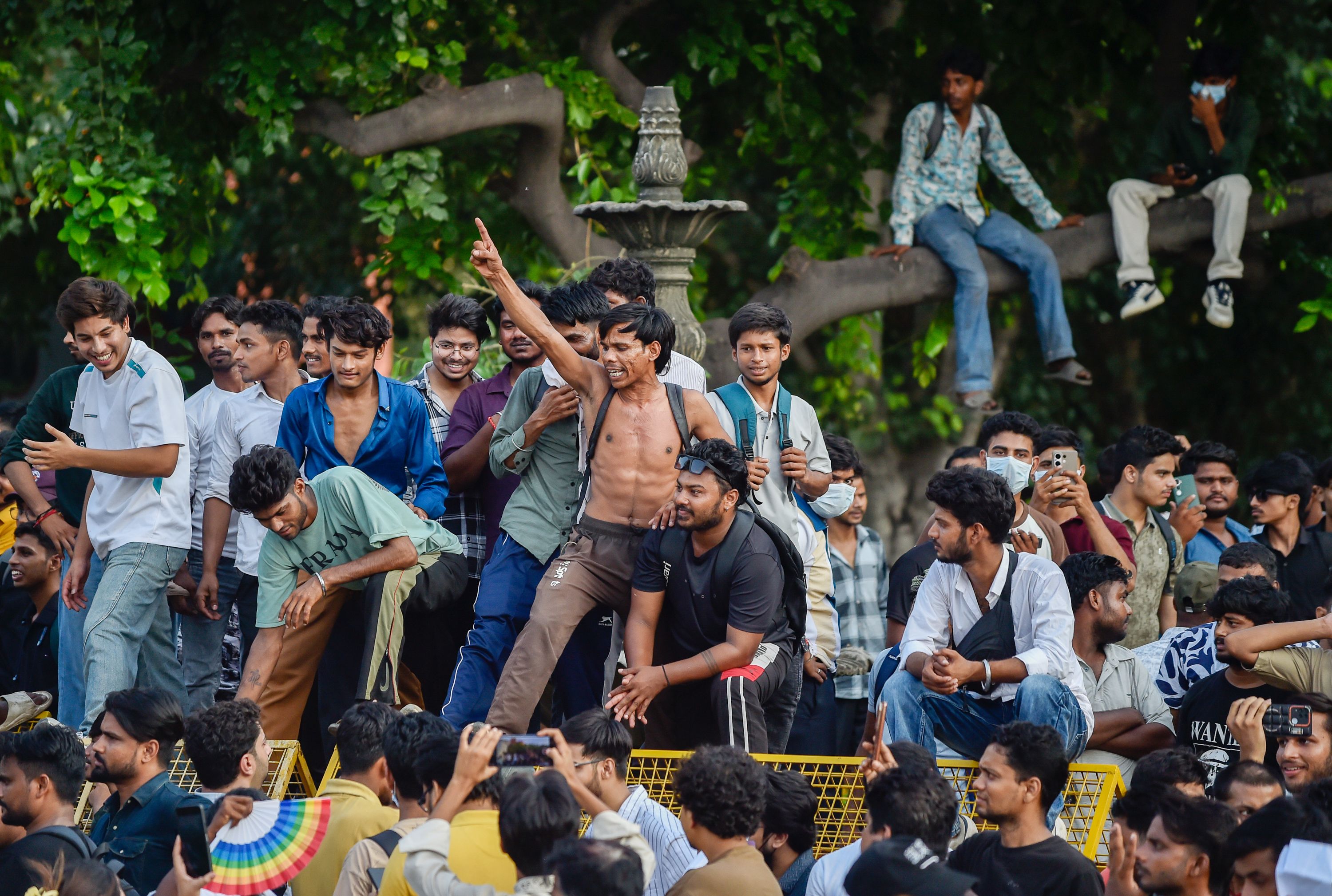
India's Gen Z protests, led by young people dissatisfied with their prospects, have quickly gained momentum and caught the attention of the Modi administration. These demonstrations, initially dismissed as a joke, have now matured into serious mass protests across the country, with the local authorities responding with harsh words and violence.
The protests stem from a growing sense of despondency among young Indians who feel that their efforts would be futile, as the system appears rigged against them. A lack of job opportunities, exacerbated by a heavily examination-based education system and a coaching industry that traps students in debt, has fueled the anger. The BJP's ideological agenda, driven by the Hindu nationalist Rashtriya Swayamsevak Sangh (R.S.S.), also plays a role in shaping the protests, as they seek to promote a more Hindu-centric India through changes in education.
The protests have raised concerns about the government's willingness to compromise, with some leaders calling for a pause and promising compensation for affected families. The energy behind the protests may soon shift towards advocating for more opportunities and a more inclusive future for India's young generation.
Written by urgent.news from The New Yorker's reporting — not their text. Machine-written — may contain errors; check the original before relying on it.