'We’ve been behind the ball for so long': Experts say DNA samples from crime-scene forensics can be modified and even switched using an AI tool
Researchers used AI-assisted code to undetectably tamper with data from computerized scans of physical DNA evidence produced by widely used crime-lab machines.
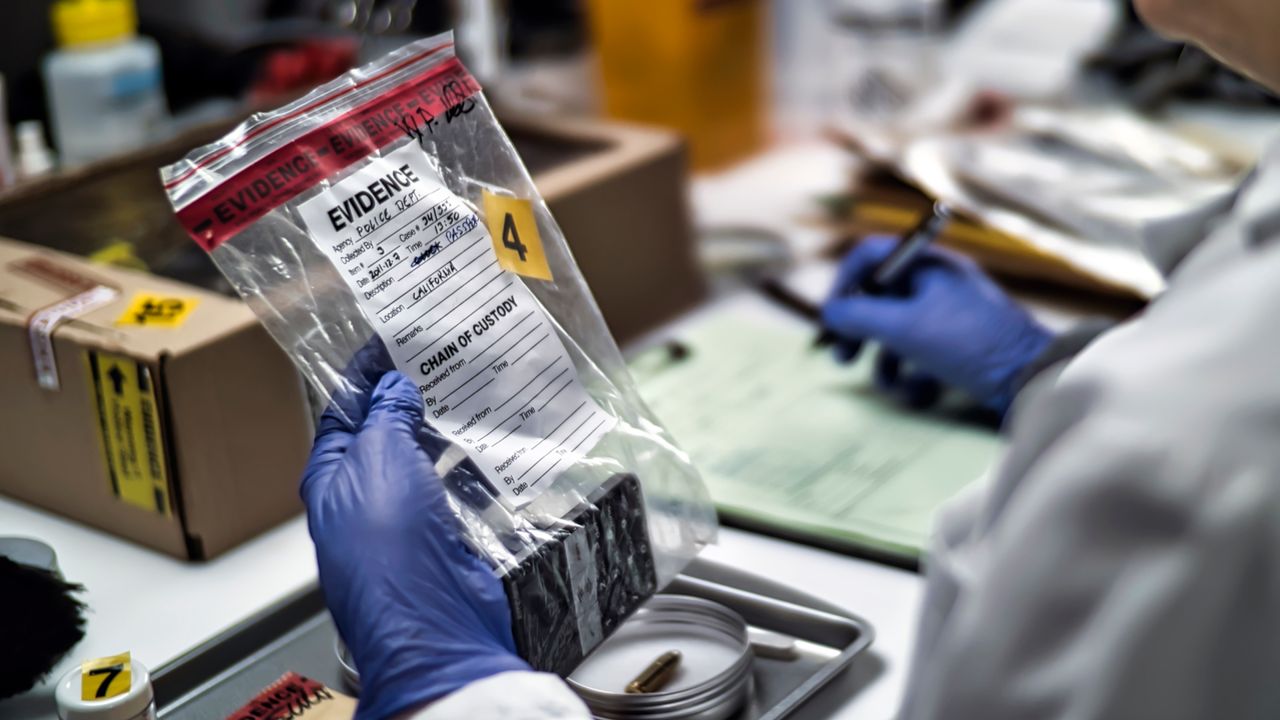
Forensic experts have revealed a critical flaw in the DNA analysis software used by crime labs, allowing undetectable modification of evidence dating back 30 years. Researchers from the University of New Haven and Forensic Bioinformatics used AI to manipulate computerized DNA scans, posing a significant risk to 30 years of crime files.
Thermo Fisher Scientific, the software provider, acknowledged the vulnerability in July 2026 and is currently working on a patch. No instances of exploitation have been reported, but researchers noted their inability to detect tampering without the patch. AI tools like Anthropic's Claude enabled a systems engineer to exploit the vulnerability in just 45 minutes, potentially altering DNA profiles.
The researchers emphasized the need for stronger security measures, as the lack of centralized regulation in forensic science has resulted in a patchwork of security methods across over 200 labs. Thermo Fisher Scientific stated that they are collaborating with the U.S. Cybersecurity and Infrastructure Agency and have implemented digital signatures to prevent future modifications.
Written by urgent.news from TechRadar's reporting — not their text. Machine-written — may contain errors; check the original before relying on it.