US and Japan jointly intervene to prop up yen in rare move
Both countries have said that they will not hesitate to conduct joint interventions in the future.
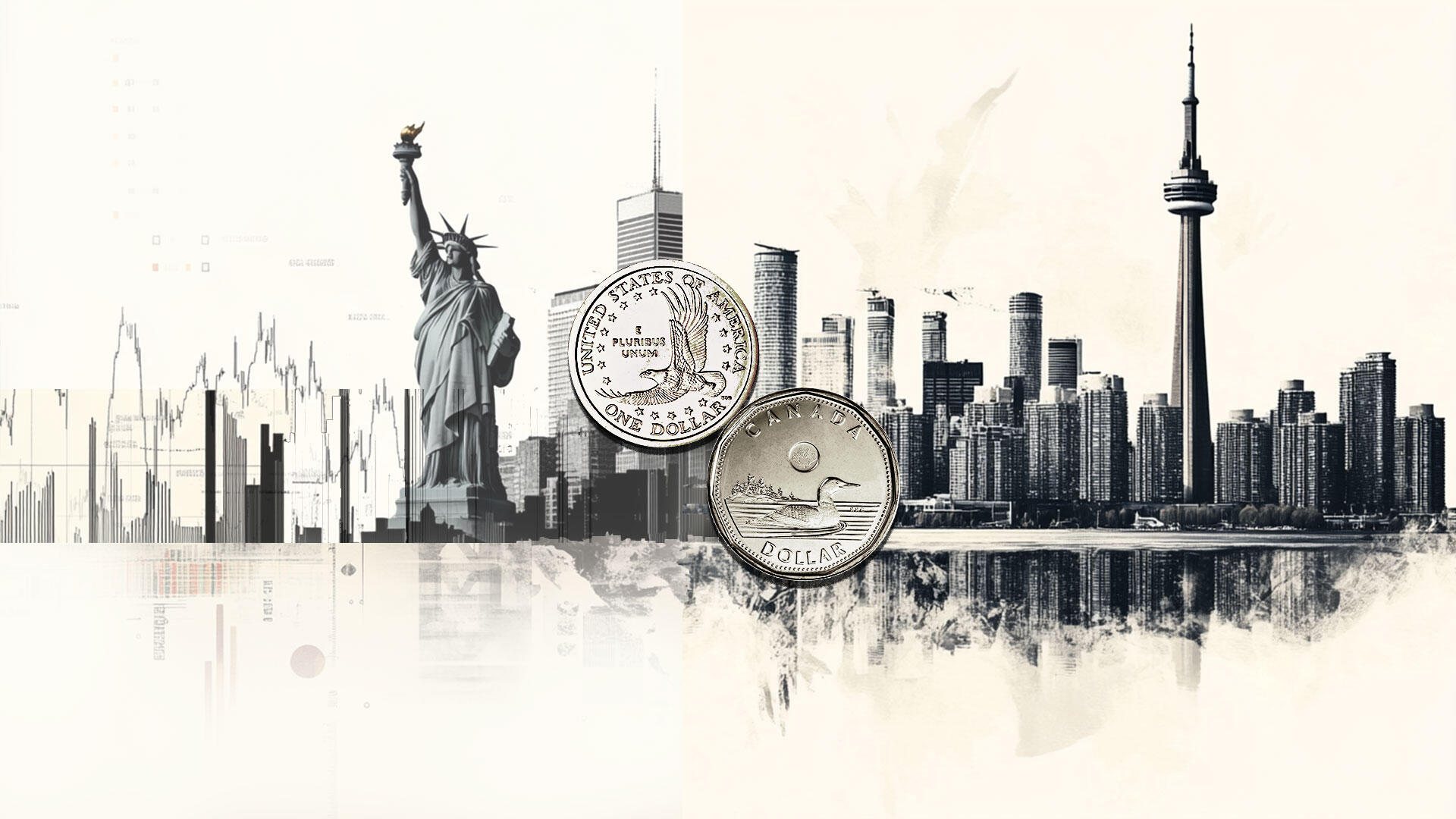
In a rare joint intervention, the United States and Japan have stepped in to stabilize the yen, which had plummeted to a 40-year low. This unprecedented coordinated action, the first since 2011, was initiated following the devastating earthquake and tsunami that struck Japan, causing significant economic upheaval. Both the Japanese finance ministry and US Treasury Secretary Scott Bessent have emphasized their readiness to undertake such interventions in the future, underscoring their commitment to prevent a sell-off in the yen and Japanese government bonds from adversely affecting the global economy, including potentially raising borrowing costs in the United States.
According to Shigeto Nagai, head of Japan economics at Oxford Economics, the U.S. agreed to participate in this foreign exchange intervention to capitalize on the potential benefits while incurring minimal costs. The countries are anticipated to engage in intermittent, coordinated interventions for an extended period, with the mere presence of vigilance regarding intervention serving as a deterrent to speculators.
The yen's ongoing weakness can be primarily attributed to Japan's considerably lower central bank interest rates compared to other major economies, such as the U.S. This disparity renders the Japanese currency less appealing to international investors. The Bank of Japan recently raised its main interest rate to 1%, the highest level since September 1995, marking a significant deviation from the U.S. Federal Reserve's benchmark rate, which hovers between 3.50% and 3.75%.
Japan's protracted decline in its working-age population, coupled with low productivity and heavy dependence on energy imports priced in U.S. dollars, further exacerbates the situation. On Monday, Japan's finance ministry confirmed that the Friday intervention, carried out alongside the U.S. Treasury Department, effectively countered excessive volatility and disorderly movements in the Japanese yen over recent months.
U.S. President Donald Trump expressed strong support for Japan's decisive market and monetary actions aimed at rectifying the significant undervaluation of the yen. Trump's remarks led to a 0.2% decline in the dollar, bringing the yen to 157.07 yen, although it rebounded to 157.70 yen following the Japanese finance ministry's statement.
Japan's finance ministry reported that Tokyo might have sold nearly $59 billion of U.S. dollars to purchase yen during the intervention in New York markets on Thursday, prior to the confirmed joint intervention with Washington. While the U.S. has not disclosed the exact magnitude of its intervention, a screenshot of a notepad in front of Bessent during a cabinet meeting on Friday indicated a target range of "To Do: Buy Japanese Yen $5-10 bil".
Written by urgent.news from BBC Business's reporting — not their text. Machine-written — may contain errors; check the original before relying on it.
This story
This is one outlet's version. Read the fullest account.