Ukraine uses business principles to maximize Russia’s casualties and economic costs, potentially crushing its will to keep fighting, RAND says
Ukraine has KPIs for the military—just like corporations, which use them to track output from employees or subsidiaries.
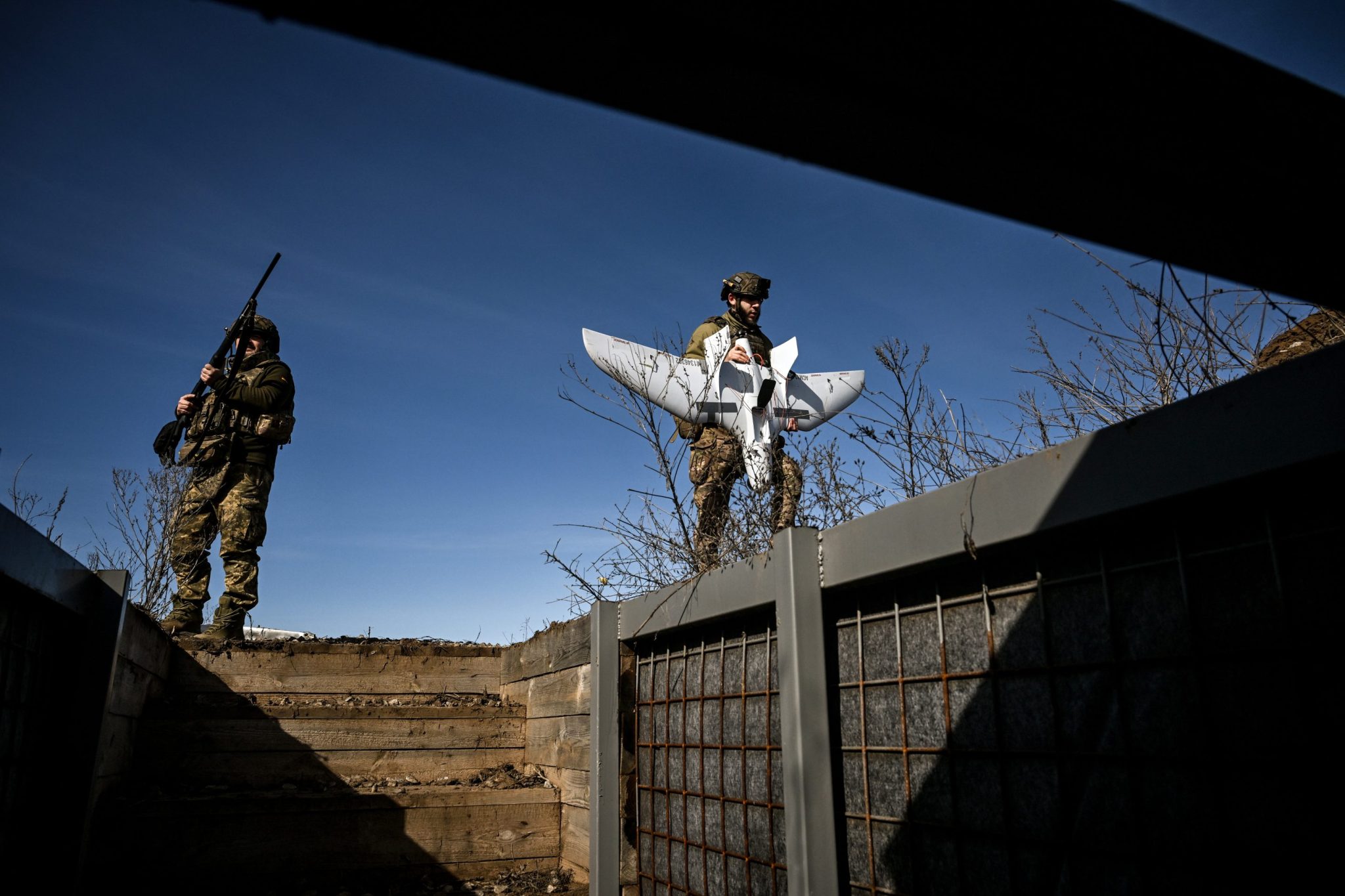
The RAND think tank has suggested that Ukraine's approach to the Russia-Ukraine war is akin to a corporation's strategy for maximizing losses on the competition. According to Gian Gentile and Andrew Radin, Ukraine has been employing a business-like approach to gain the upper hand, focusing on attrition rather than direct confrontation.
They have set key performance indicators (KPIs) for their military, mirroring corporate practices, which require the killing of 200 Russian troops for each square kilometer of territory they seize and eliminating at least 50,000 Russians each month.
Under former Defense Minister Mykhailo Fedorov, Ukraine has developed a "mathematics of war initiative," which includes a unique points system. Drone operators submit videos of their battlefield actions to the government, which then rewards points to the most successful operators. Each Russian soldier is worth 12 points, and these points can be redeemed for more drones.
This innovative system has contributed significantly to Ukraine's ability to inflict heavy losses on Russian forces, with the country losing between 30,000 and 40,000 troops each month.
Ukraine's defense sector has also played a crucial role, boasting advanced command-and-control systems, training programs, and a thriving domestic drone industry. This development has transformed Ukraine's defense industrial base into a major player, producing millions of drones annually and causing significant damage to Russian infrastructure. The ripple effects have been felt across Russia, with oil refineries, weapons factories, and e-commerce hubs being destroyed, exacerbating an already struggling economy.
Even without widespread public unrest in Russia, RAND's analysis indicates that Ukraine's strategy of attrition may force Russia to the negotiating table, much like the U.S. intervention halted Germany's spring offensive in World War I in 1918. However, continued success in long-range strikes and increased support from allies will be key to Russia's ability to maintain its fighting force.
Written by urgent.news from Fortune's reporting — not their text. Machine-written — may contain errors; check the original before relying on it.