UAE’s Hormuz oil exports more than halve in July as shipments bypass strait
The UAE sharply cut its reliance on the Strait of Hormuz for oil exports in July, with flows through the route dropping by more than half. Exports through the strait fell by nearly 53 per cent to 950,000 bpd from 2.01 million bpd a month earlier, while shipments from Fujairah on the Gulf of Oman rose as the UAE leaned on its 1.5 million bpd bypass pipeline. The UAE exported nearly 20 per cent…
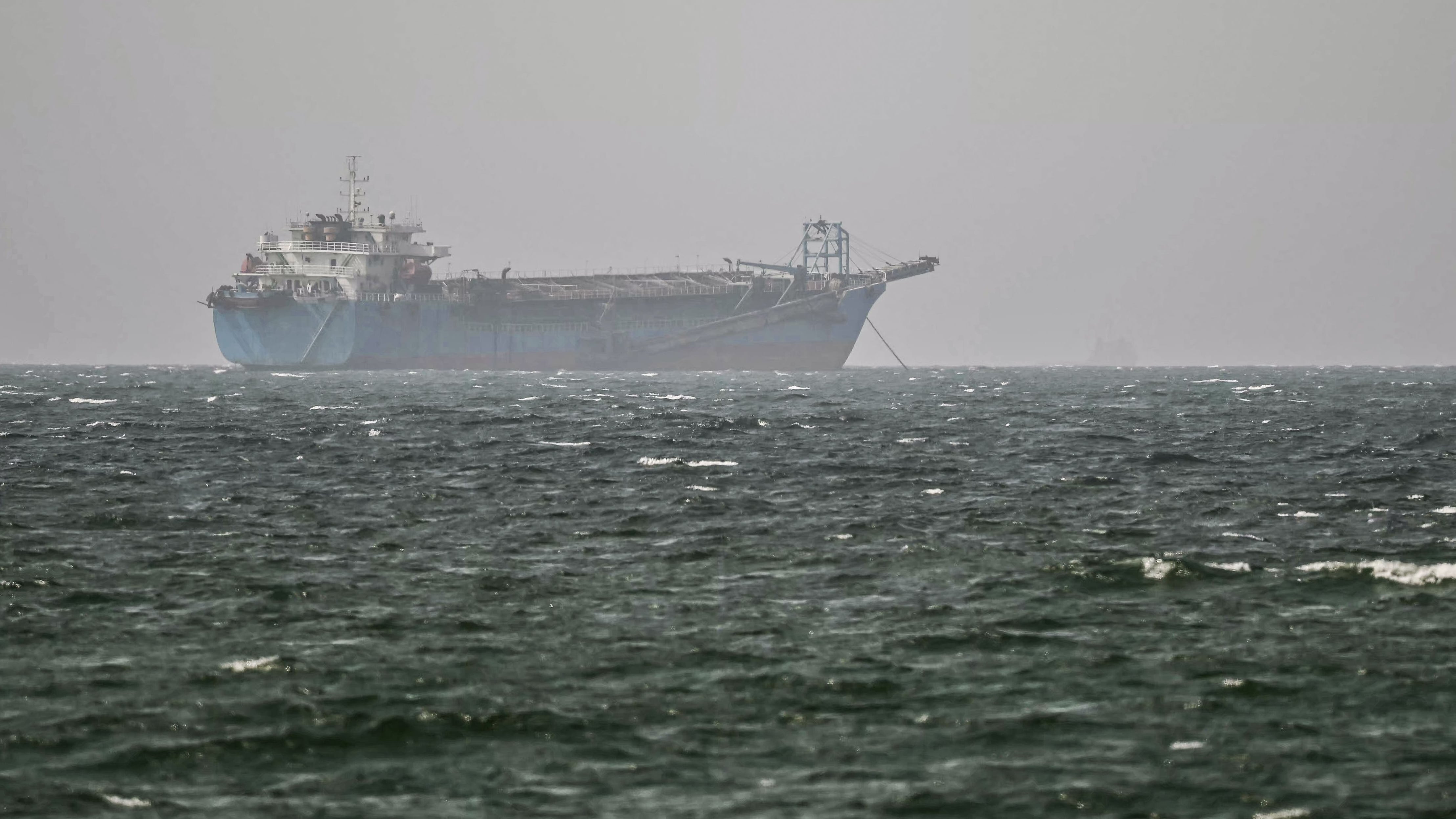
In July, the United Arab Emirates saw its oil exports through the Strait of Hormuz plummet by more than half, decreasing to 950,000 barrels per day (bpd) from 2.01 million bpd in the previous month. This marked a sharp reduction of nearly 53 percent in shipments through the strait. In contrast, exports via the Habshan-Fujairah pipeline on the Gulf of Oman surged, reaching 2.28 million bpd, accounting for approximately 66 percent of total UAE oil exports for the month.
This shift reflects the UAE's increased reliance on its 1.5 million bpd bypass pipeline. Overall, UAE's oil exports in July were nearly 20 percent lower, averaging 3.46 million bpd, compared to 3.46 million bpd on average. The reduction in exports follows the breakdown of an initial agreement between the United States and Iran on June 17, which briefly reopened the strait before disputes over control escalated.
A series of tanker attacks, along with retaliatory strikes from the US and Iran, have further disrupted traffic in the waterway. Ship crossings through the strait averaged 18.7 per day in July, down from 24.7 in June, mirroring the decline in activity due to the ceasefire collapse. Fujairah's share of UAE exports reached nearly 66 percent in July, up from around 51 percent in June.
Oil deliveries from the Gulf's Hormuz-facing exporters, including Saudi Arabia, Iraq, the UAE, Iran, Kuwait, Qatar, Bahrain, and Oman, also dropped significantly. Combined monthly flow from these major producers averaged 4.0 million bpd in July, a stark contrast to the prewar average of 19-20 million bpd from mid-2025 to February.
The recovery in exports through the strait was brief, as the initial agreement faltered. Saudi Arabia, the Gulf's top exporter, experienced a 72 percent increase in strait shipments to 740,000 bpd, while Iraq saw a 56 percent rise to 750,000 bpd. However, these figures were still far below prewar averages for each country. Kuwait, which exclusively relies on Hormuz for exports, saw a 36 percent decline in volumes to 560,000 bpd.
Saudi Arabia's west coast exports fell by a million bpd to 4.4 million bpd due to ongoing threats from Houthis in Yemen, prompting the need for alternative shipping routes. With vessel movements diminishing and rerouting through the Sumed pipeline and the Cape of Good Hope, inventories are building up for post-Red Sea transit. OPEC+ has agreed to raise output quotas by 188,000 bpd in September, aiming to complete the 2026 restoration among remaining member states.
However, Saudi Arabia's actual output was 3 million bpd below its quota of 10.29 million in June, highlighting the ongoing maritime crisis's impact on production levels.
Written by urgent.news from The National UAE's reporting — not their text. Machine-written — may contain errors; check the original before relying on it.