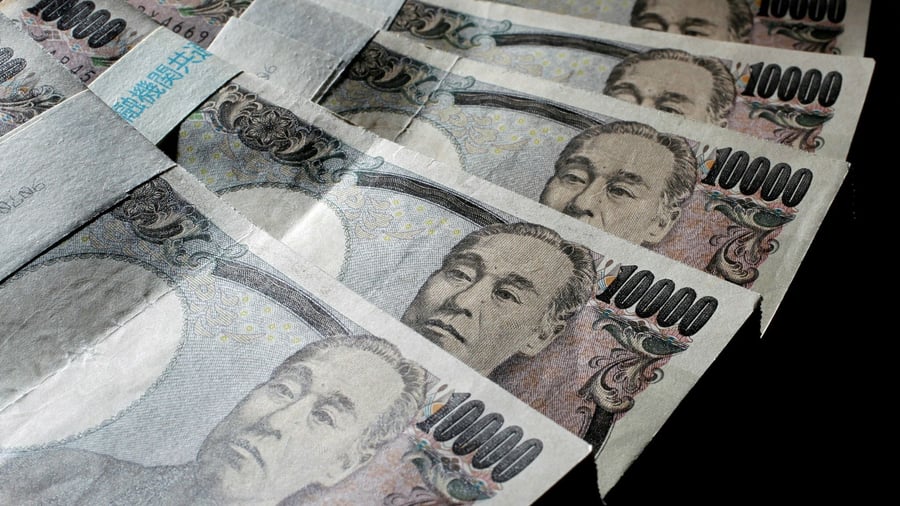
U.S. and Japan Coordinated to Help Stabilize the Yen
U.S. and Japanese officials confirmed on Sunday that the Treasury Department had moved last week to help the currency.
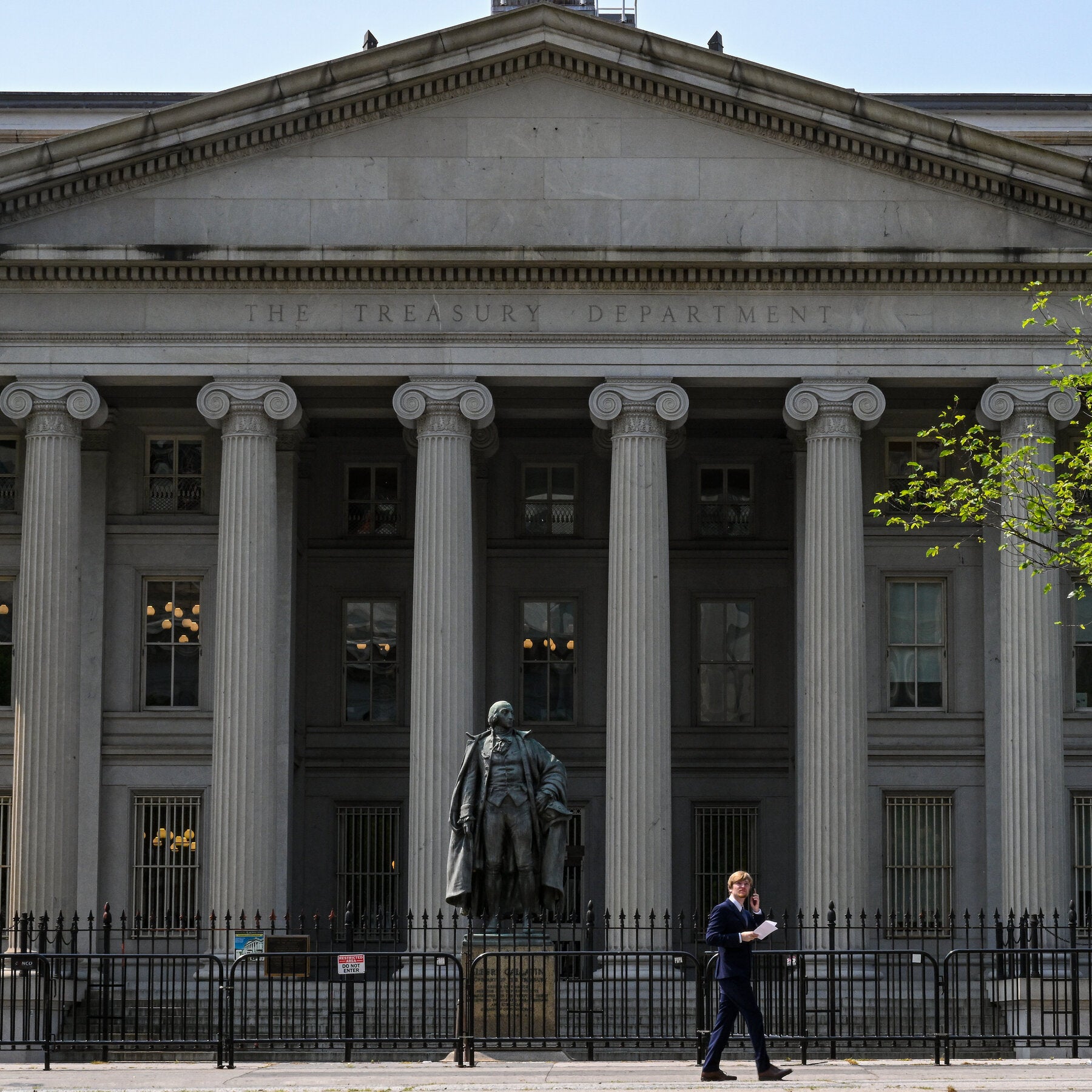
On Monday, Japan's finance ministry confirmed a joint yen-buying operation with the U.S. Treasury that took place on Friday, marking a rare coordinated effort by the two allies to stabilize the Japanese currency. Tokyo expressed readiness for future interventions, stating they "will not hesitate to conduct further coordinated interventions in the future" and maintaining close communication with the U.S. Treasury.
The yen had weakened to 163.73 against the greenback on Thursday and strengthened to 157.57 on Friday, trading at 157.70 per dollar on Monday. This currency weakness has recently reached its weakest level in nearly four decades against the dollar, causing concern for Japan's finance ministry.
The intervention, conducted in line with the "Joint Statement of the Japanese and U.S. Finance Ministers" issued in September 2025, aimed to tackle the recent excessive volatility and disorderly movements of the yen. Finance Minister Satsuki Katayama emphasized Japan's commitment to "remain attentive and in close communication with counterparts at U.S. Treasury" and hinted at potential future actions, including the use of the Federal Reserve's foreign and international monetary authorities repo facility.
Treasury Secretary Scott Bessent echoed Japan's preparedness, confirming the coordinated action on Friday and stating, "Treasury remains attentive and in close communication with our counterparts at MOF and BOJ. We will not hesitate to participate in further joint intervention." Bessent also backed Japan's policy direction, expressing the U.S.'s "strong support" for Tokyo's decisive market and monetary steps to rectify the yen's substantial undervaluation.
President Donald Trump had earlier acknowledged the U.S.'s participation in the intervention, describing it as a gesture of support for Japan and in the interest of global economic stability. However, some analysts, like Robin Brooks from the Peterson Institute for International Economics, argue that the coordinated intervention might weaken rather than strengthen confidence in the yen.
Brooks suggested that if the U.S. had sold euros instead of dollars to purchase yen, markets might question the motive behind the intervention, as coordinated actions have traditionally been funded with dollar assets.
Written by urgent.news from CNBC's reporting — not their text. Machine-written — may contain errors; check the original before relying on it.
This story
This is one outlet's version. Read the fullest account.