This unassuming New Hampshire refinery could help the U.S. break free from China’s hold on minerals
A giant American flag hanging on the wall of a warehouse in New Hampshire hints at the national importance of the elements bound inside the mining waste stored in 1-ton bags. The company uses electrolysis to separate the key critical elements President Donald Trump’s administration desperately wants to produce domestically from the powder left behind at traditional mines . The small Phoenix…
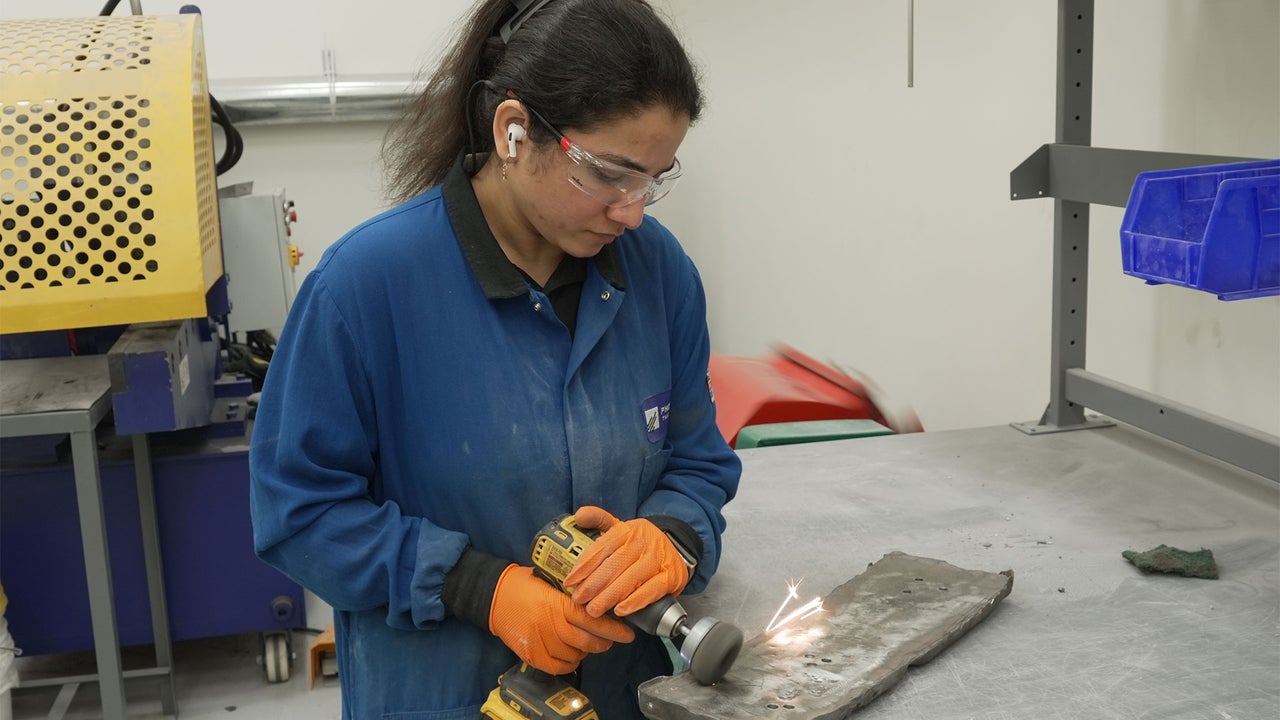
A unassuming refinery nestled within an office park in Exeter, New Hampshire, may hold the key to breaking free from China's grip on critical minerals. Phoenix Tailings, as the facility is known, processes mining waste and recycled magnets to extract vital elements such as neodymium, praseodymium, terbium, dysprosium, samarium, and yttrium. These elements are essential for the production of defense, aerospace, and automotive systems, including the high-tech weaponry utilized by the U.S. military.
The U.S. government, under President Trump's administration, is actively seeking to increase domestic production of these critical minerals to reduce its reliance on China. Phoenix Tailings is poised to play a significant role in this effort, as it aims to build a new facility capable of extracting and producing these minerals. This $500 million expansion will take 14 to 18 months to complete, but the company remains optimistic about its long-term prospects.
Currently, Phoenix Tailings can produce around 200 kilograms of the sought-after metals per year. However, the company's goal is to scale up to 5 tons within the next three months and ultimately reach a capacity of 120 tons by 2028. While this may seem like a daunting task, the need for these critical minerals is urgent, particularly in the defense sector. The U.S. military's reliance on these elements is evident in systems like Tomahawk cruise missiles, THAAD interceptors, and F-35 fighter jets.
One notable example of the growing importance of these minerals is Arnold Magnetic Technologies, a U.S. magnet manufacturer that previously sourced samarium from China. However, recent geopolitical tensions have forced the company to seek alternative suppliers. Solvay, a Belgian chemical company, has taken advantage of this opportunity by restarting its rare-earth processing operations in La Rochelle, France.
The company is now producing neodymium, praseodymium, and heavy rare earths such as samarium, dysprosium, and terbium.
While the cost of the samarium-cobalt magnets produced by Solvay may be slightly higher than those from China, the strategic importance of securing these critical minerals cannot be overstated. Companies like Phoenix Tailings and Arnold Magnetic Technologies are stepping up to fill the gap left by China's dominance in this sector.
As the U.S. continues its efforts to build a more resilient and diversified supply chain, these companies will undoubtedly play a crucial role in securing the nation's technological and military future.
Written by urgent.news from Fast Company's reporting — not their text. Machine-written — may contain errors; check the original before relying on it.