The US has helped pull Japan’s yen out of a 40-year low. Why?
Only days ago, the Japanese yen’s descent showed no signs of stopping, having already dropped to a 40-year low. But by Monday morning – after a rare intervention on the currency’s behalf by Tokyo and Washington – it surged as high as 155.23 per US dollar, its strongest level since early May, according to Chinese financial data provider Wind. The joint action took on an extra layer of intrigue…
The US government, in coordination with Japan, has recently stepped in to bolster the value of the Japanese yen, which had plummeted to a 40-year low. The intervention took place following a rare joint effort by Tokyo and Washington, with the currency surging to a 155.23 per US dollar high, its strongest level since early May, according to financial data provider Wind.
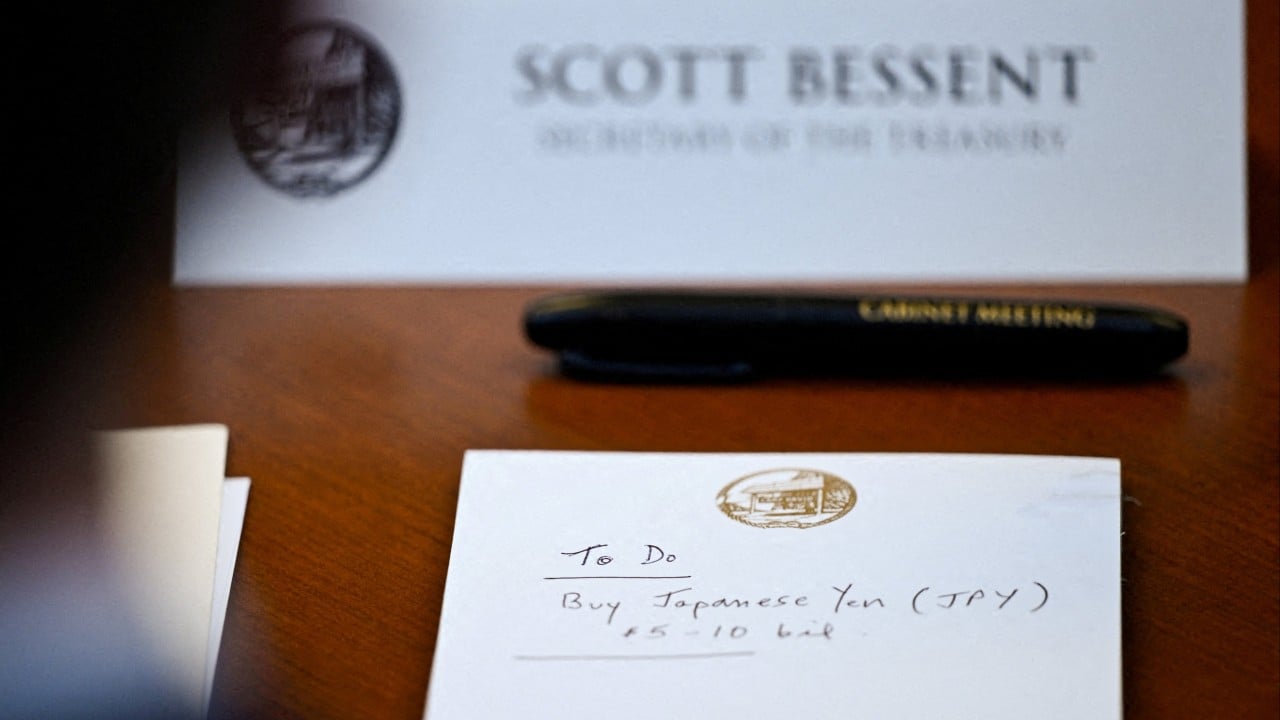
The joint action came as a surprise, stemming from a photo of a "to-do" list from US Treasury Secretary Scott Bessent that suggested the US Treasury might purchase between $5 billion and $10 billion worth of yen. US President Donald Trump hailed the move as an expression of friendship, while Bessent echoed the sentiment, emphasizing the US readiness to participate in further joint interventions.
The decision to intervene was driven by multiple factors, with Japan's central bank signaling a more hawkish stance on policy and the US Federal Reserve holding interest rates steady and adopting a more dovish tone. Japanese officials, according to analyst Qian Wei, seized a favorable window for intervention, while the US move reduced political constraints on Tokyo to limit selling pressure on US Treasuries.
By publicly supporting the yen, Washington could also help avoid the need for Japan to liquidate dollar assets, potentially benefiting the Treasury market. Analysts predict that the intervention might keep the yen within a range of 155 to 160 against the US dollar for the rest of the third quarter, though sustained intervention could prove costly for Japan.
The intervention is expected to help stabilize the yen and deter speculators, minimizing the risk of a sharp yen carry trade unwind that could trigger significant fluctuations in equity markets. While the short-term impact on Chinese markets, particularly Hong Kong, could be notable due to the yen's potential to dampen carry trades and exert pressure on market liquidity, the long-term effects on mainland A shares are anticipated to be limited.
Exporters to Japan may benefit from exchange-rate movements, but the yuan's trajectory will primarily be driven by the Chinese-US interest rate differential, with yen movements exerting only a limited influence.
Written by urgent.news from South China Morning Post's reporting — not their text. Machine-written — may contain errors; check the original before relying on it.