The U.S. is using euros, not dollars, to prop up the yen, and it may backfire: ‘This kind of twist…undercuts the efficacy of U.S. participation’
The unusual funding method backed a joint U.S.-Japan move that lifted the yen to 157 per dollar, but economists say it won't fix underlying issues
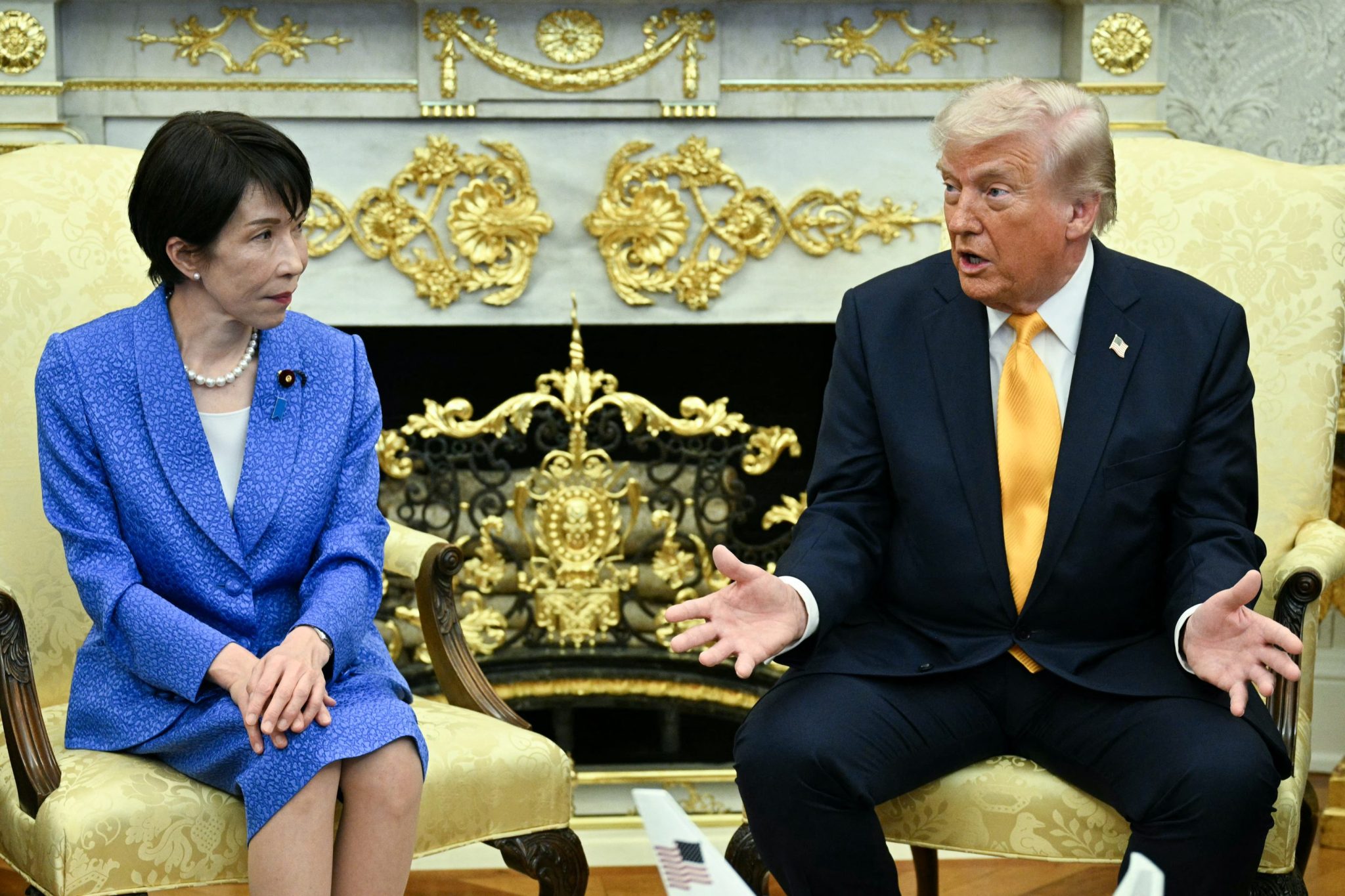
The U.S. is stepping in to help lift the yen, which recently hit a 40-year low, marking the first time the New York Fed sold euros instead of dollars to boost the currency. This intervention, coordinated with Japan, occurred on Friday, pushing the yen to 157 per dollar, the first joint purchase since 1998 during the Asian financial crisis.
The U.S. Treasury Secretary's notepad indicated a possible range of $5 billion to $10 billion in U.S. involvement, though the exact amount remains undisclosed. However, experts warn that the choice of euros could backfire, as Japan's yen has been weakening since 2012 due to factors like Japan's "overly accommodative" monetary policy, debt concerns, and Prime Minister Sanae Takaichi's fiscal policy.
Mark Sobel, former Treasury official and U.S. chair of the Official Monetary and Financial Institutions Forum, stated that the U.S. shouldn't intervene unless it's part of Japan's plan to address these issues. Robin Brooks of the Peterson Institute for International Economics called this "a twist that undercuts the efficacy of US participation," suggesting the yen will likely continue its decline.
Edwin Truman, a former Treasury official, found the use of euros "weird" for strengthening the yen and argued that selling dollars to buy yen would be more effective. The intervention may also set a precedent for U.S. foreign currency activism in global markets, according to ING economics analysts Chris Turner and Michiel Tukker, indicating a shift from past passivity in U.S. foreign exchange policy.
Written by urgent.news from Fortune's reporting — not their text. Machine-written — may contain errors; check the original before relying on it.