The Origin And Reason For NCIS' Black And White 'Foofs,' Explained
The long-running CBS franchise's signature transition device has a surprisingly simple backstory, dating back to the early days of the original NCIS.
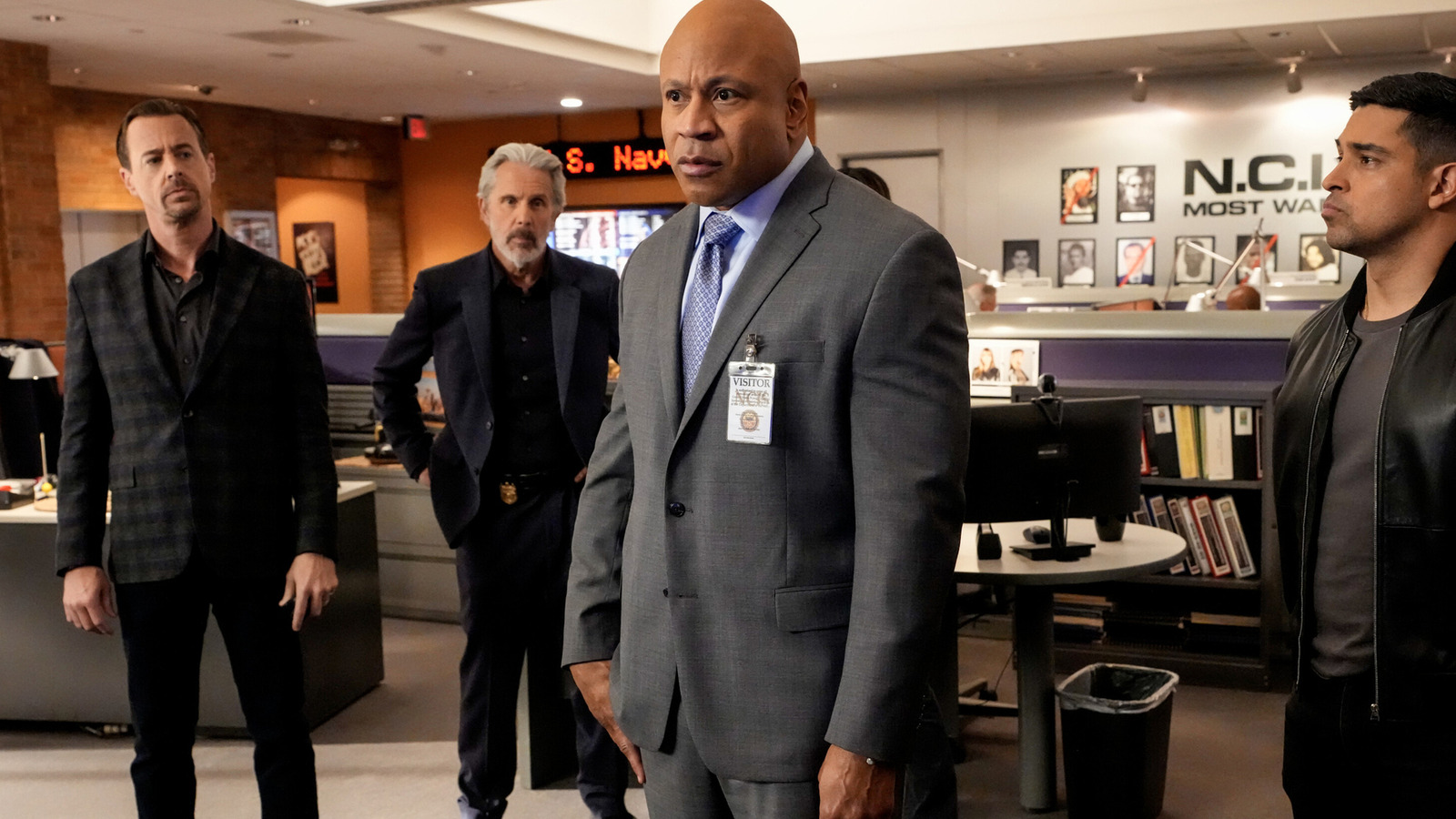
NCIS, the long-running police procedural, boasts a distinctive signature: black-and-white freeze frames that bookend sections of each episode, known as the "foof" due to the distinctive sound they produce. Executive producer Charles Floyd Johnson attributes the origin of the foof to the sound of an old flashbulb camera, an idea that emerged during the show's early days as a way to make NCIS stand out.
Johnson revealed that the unique noise and accompanying image serve as transitions between acts and serve as a lead into the next act. The foof was instantly embraced by the NCIS cast, who enjoyed the fun of determining whose face would be at the end of each act. Since its debut in Season 2's "Lt. Jane Doe," the foof has remained a staple of the series, even as spin-offs have developed their own approaches to the motif.
Written by urgent.news from TVLine's reporting — not their text. Machine-written — may contain errors; check the original before relying on it.