The End of August Will Feature a Lunar Eclipse Visible All Over North America
The eclipse is technically a partial lunar eclipse, but at 93% coverage, it’s close enough.
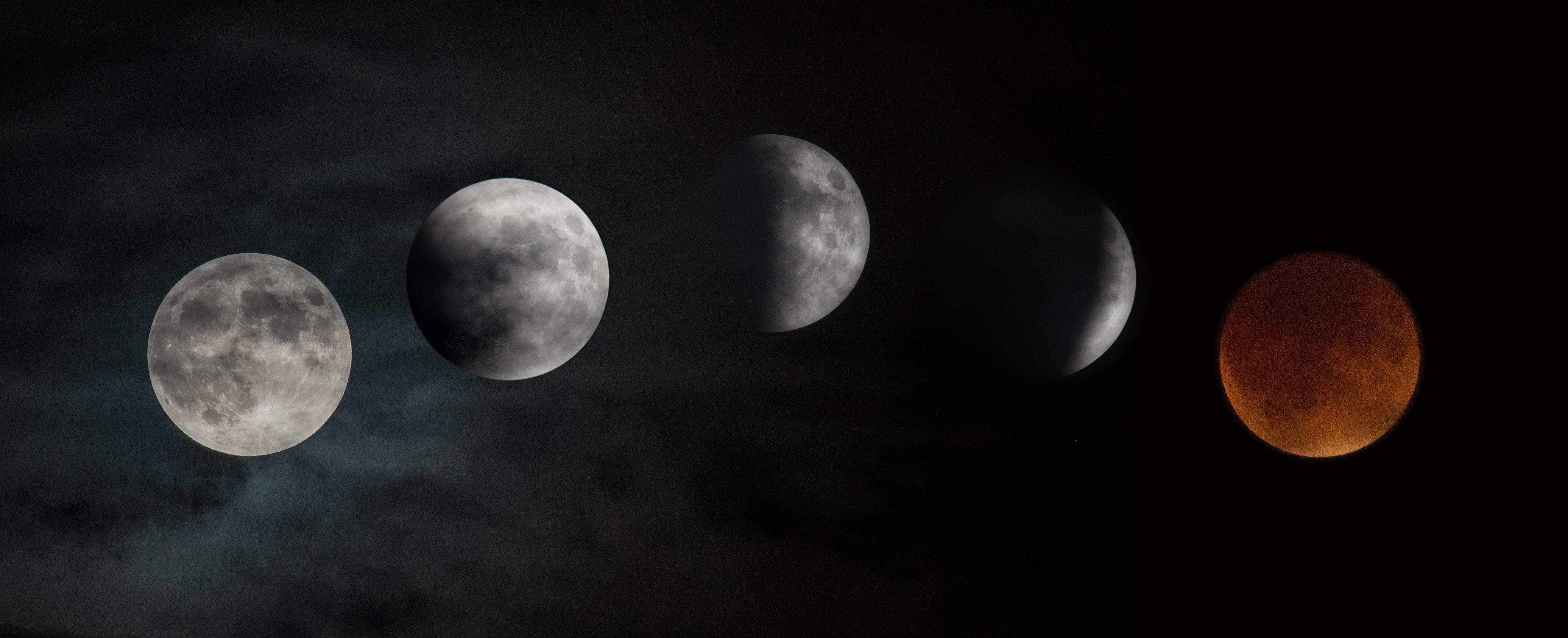
As summer 2026 unfolds, the skies above North and South America are set to provide an impressive display of celestial events. In addition to a planet parade, a meteor shower, and a solar eclipse, a lunar eclipse will grace the evening sky on the night of August 27. The eclipse, which coincides with the full "Sturgeon Moon," will begin at 9:23 p.m. Eastern Time and continue until 3:01 a.m. ET, extending for approximately 5 and a half hours.
The eclipse will be visible across most of North and South America, along with portions of Africa and Europe. However, those in the eastern United States and the eastern Midwest will have the best view, with those along the Rocky Mountains and along the West Coast and Alaska able to see at least a partial eclipse. Unlike solar eclipses, lunar eclipses are safe to view with the naked eye, and using binoculars or a telescope is recommended for a clearer view.
This lunar eclipse is not a total lunar eclipse, nor is it a "blood moon," as only about 93% to 96% of the moon will be covered. The reddish tint is caused by sunlight interacting with Earth's atmosphere, scattering blue light and allowing only red and orange light through. Despite not being a total eclipse, the partial lunar eclipse marks the end of an active month for sky enthusiasts, featuring the planet parade, Perseids meteor shower, and solar eclipse on August 12.
Written by urgent.news from CNET's reporting — not their text. Machine-written — may contain errors; check the original before relying on it.