Ten years later, the iconic GTX 1080 Ti still holds up in 1080p gaming, but not without showing its age — Redux testing highlights the wonders of 11GB VRAM & the woes of time
PC Games Hardware has retested the GTX 1080 Ti, along with its GP102 brethren, in a range of new games across multiple resolutions. The results reveal the obvious: the 1080 Ti is still a capable GPU at 1080p, mostly thanks to its 11GB VRAM buffer, but it's highly inefficient by today's standards.
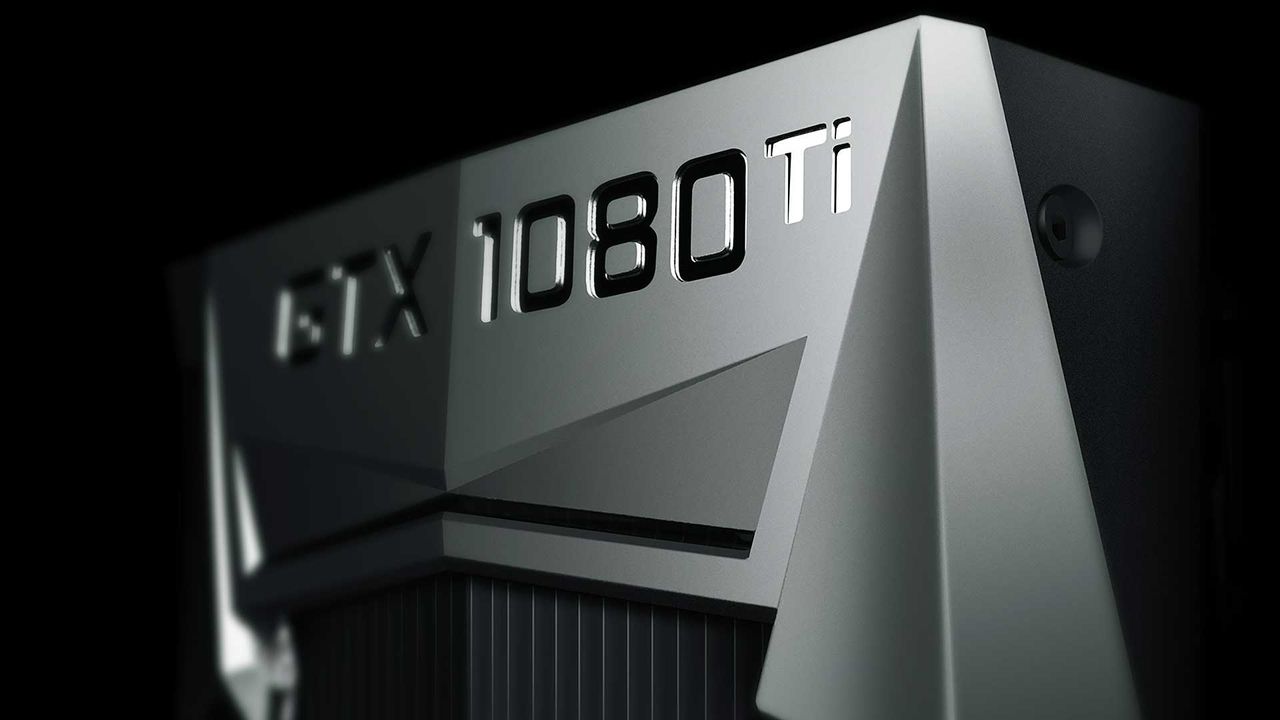
In 2017, Nvidia introduced the GTX 1080 Ti, a flagship GPU with a powerful GP102-400 silicon and 11GB of GDDR5X memory, capable of delivering strong performance in 1080p gaming. However, a decade later, PC Games Hardware conducted a redux test, comparing the GTX 1080 Ti against more efficient modern GPUs. The results show that while the 1080 Ti still manages to push close to 60 FPS in modern titles, it lags behind even the current-gen RTX 5050 and cannot compete with recent 60-series GPUs.
The card's performance is most impressive in older games, particularly those relying on rasterization, but it struggles in recent titles that heavily utilize upscaling and ray tracing technologies. The GTX 1080 Ti's efficiency is significantly lower than more recent cards, consuming 58% more energy and costing more than its price adjusted for inflation.
For those still using a 1080p monitor, the 1080 Ti can still provide acceptable performance, but it falls short in modern gaming scenarios.
Written by urgent.news from Tom's Hardware's reporting — not their text. Machine-written — it may contain errors, so check the original before relying on it.