Tardive Dyskinesia a 'Silent Driver' of Healthcare Spending
(MedPage Today) -- Tardive dyskinesia (TD), a movement disorder characterized by involuntary tics and twitches, exacts a substantial financial toll on patients and the healthcare system. TD "is a silent driver of healthcare costs and disability...
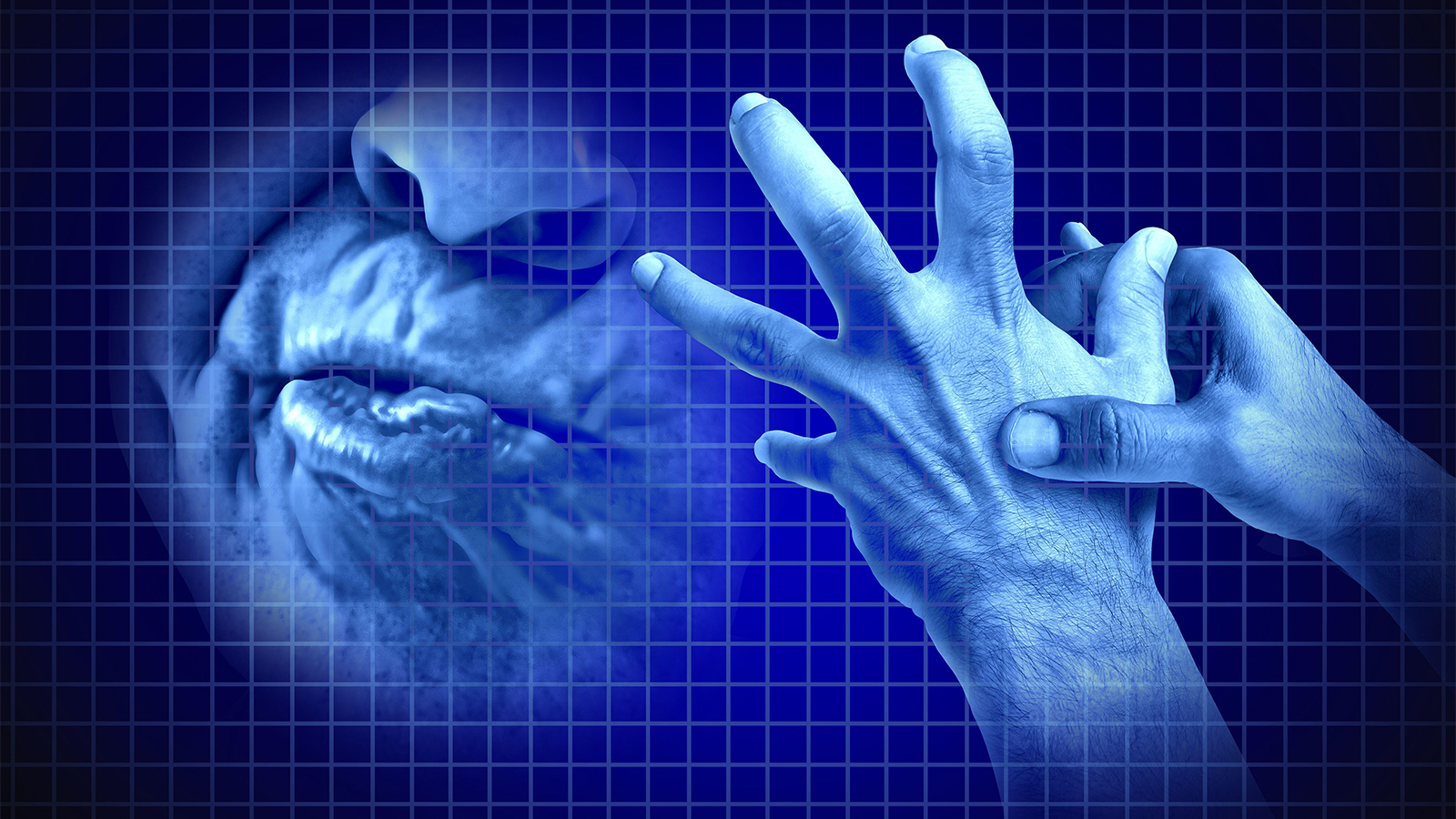
Tardive dyskinesia (TD) is a movement disorder marked by involuntary tics and twitches. It can develop from any antidopaminergic agent and affects around 4% to 8% of adult patients annually who are treated with first-generation antipsychotic drugs. Even with newer second-generation antipsychotics, the risk persists, according to Jose Rubio, MD, PhD from Northwell Health's Institute of Behavioral Science. Despite being prevalent, TD remains under-recognized and stigmatized.
The disorder incurs significant financial burdens for patients and the healthcare system. Diagnosis often leads to changes in medication dosage or type, which can worsen mental health symptoms requiring additional psychiatric care. Reducing antipsychotic doses to control TD movements can increase the risk of psychosis relapse. Once the dose drops below a certain level, the chance of relapse also increases.
Moreover, TD patients often have higher rates of comorbid conditions such as obesity, hypertension, and diabetes. They also face more severe functional impairment and are less likely to be discharged home, leading to higher admission rates to skilled nursing facilities. A 2019 analysis of claims data revealed a surge in healthcare utilization in the year following a TD diagnosis. Post-diagnosis, patients saw more inpatient admissions with longer average stays, and emergency room visits increased.
The costs associated with TD are substantial. Healthcare utilization following a TD diagnosis rose by 26%, with total all-cause healthcare costs increasing from $43,312 to $54,656 annually. This is primarily due to inpatient admissions and outpatient services. The case-control study also found that patients with TD incurred $20,415 more in average costs than those without TD.
The indirect costs of TD, such as lost wages and impact on caregiver health, are also significant. The physical symptoms of TD can lead to social embarrassment, isolation, missed work, and impaired psychosocial functioning, which further exacerbates the need for hospitalizations. Early detection and prevention through routine screening are crucial to managing TD effectively and reducing long-term costs.
Written by urgent.news from MedPage Today's reporting — not their text. Machine-written — may contain errors; check the original before relying on it.