Singdollar to widen gap with regional currencies; stronger currency could weigh on exports: Analysts
The stronger currency is set to lower import costs but could weigh on exporters as policymakers elsewhere maintain weaker exchange rates for yen, ringgit, rupiah and won.
The Singapore dollar (Singdollar) is anticipated to continue appreciating against regional currencies, including the Japanese yen, throughout 2026. This expected strengthening comes after the Monetary Authority of Singapore (MAS) raised the rate of appreciation for the Singdollar for the second consecutive time since April. While a stronger currency lowers import costs and increases spending power abroad for Singaporeans, it may also harm exporters if regional currencies stay weak.
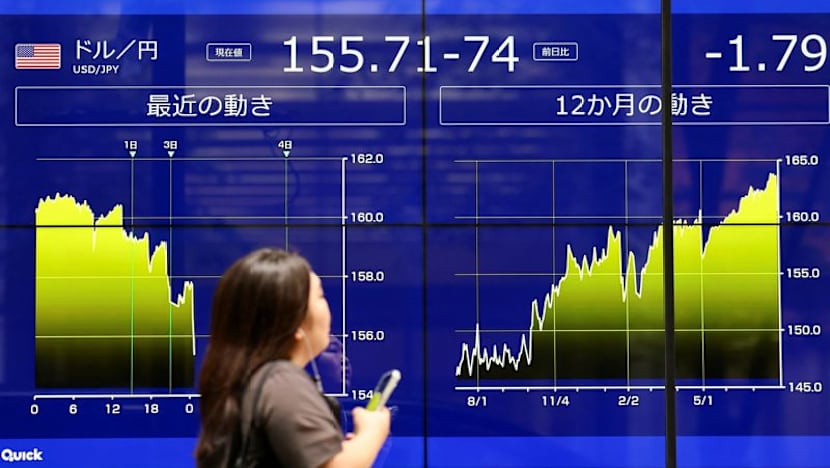
Market analysts suggest that further policy tightening is still possible, as the MAS anticipates inflation to remain elevated, which could maintain the Singdollar's strength. However, maintaining a strong currency benefits import protection but hurts export competitiveness. The Japanese yen is expected to remain volatile against the Singdollar, despite coordinated intervention by Japan and the US to support the currency.
Meanwhile, the Indonesian rupiah has weakened against the Singdollar, primarily due to rising energy prices and capital outflows. The South Korean won, on the other hand, may face pressure from domestic market instability and a potential fall in the KOSPI Composite Index. Malaysia's ringgit, meanwhile, is likely to remain relatively resilient against the Singdollar due to Malaysia's status as a net energy exporter.
Written by urgent.news from Straits Times Business's reporting — not their text. Machine-written — may contain errors; check the original before relying on it.