Samsung Galaxy Z Fold 8 Ultra review: Nice upgrades, but not quite ultra
The Galaxy Z Fold 8 Ultra's new processor, brighter screens and chassis tweaks are nice, but the updates don't do enough to earn the 'ultra' tag.
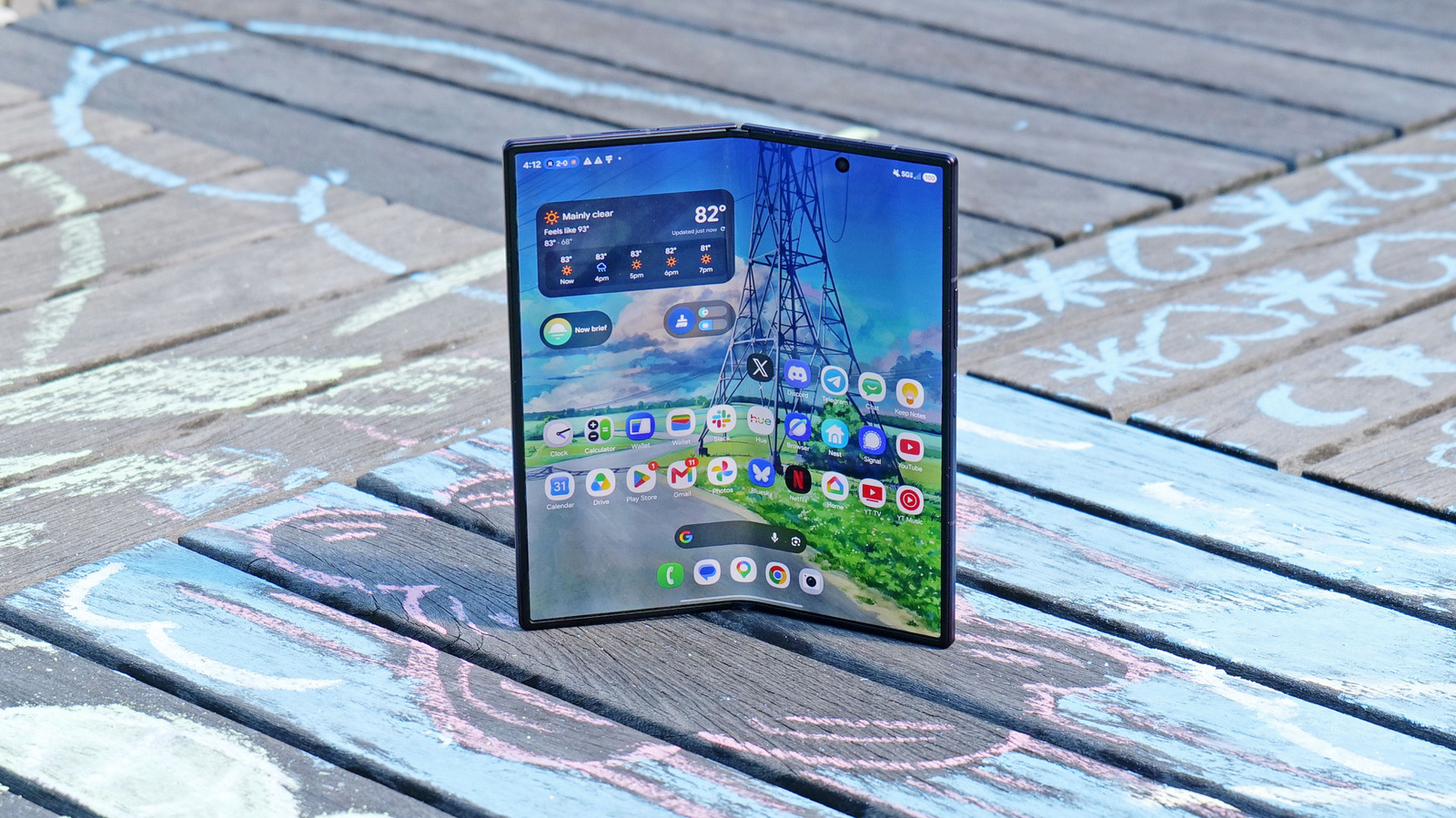
Samsung's Galaxy Z Fold 8 Ultra review reveals upgrades, but not enough for the 'ultra' label. This year, Samsung split its flagship foldable phone series into two devices: the base Galaxy Z Fold 8 and the Galaxy Z Fold 8 Ultra. The Ultra maintains the same build as its predecessor, focusing on productivity and multitasking. However, the Ultra doesn't look or feel significantly different, even with various tweaks and improvements.
The Ultra's size and weight remain unchanged at 8.9mm thick and 7.58 ounces, with the same IP48 dust and water resistance rating. While it's now the thinnest foldable Samsung has ever made at 4.1mm when open, the more critical design changes are subtle, such as tapered edges for easier opening and a new titanium alloy layer beneath the flexible display for added rigidity and reduced crease appearance.
The Ultra's displays are largely unchanged, featuring two AMOLED panels: a 6.5-inch cover screen and an 8-inch main screen with improved resolution and 120Hz refresh rate. The interior display also has an anti-reflective coating to reduce glare. The phone still includes a side-mounted fingerprint scanner and a removable SIM tray, with the same matte finish as before.
Performance-wise, the Ultra ships with a Snapdragon Elite Gen 5 for Galaxy chip, offering class-leading performance. The phone excels in multitasking, gaming, and handling demanding tasks. However, its nearly square flexible display isn't ideal for watching movies or shows due to letterboxing at the top and bottom.
The Ultra offers a larger rear camera system compared to the base model, including a 200MP main sensor, a 10MP telephoto sensor, and a new 50MP ultra-wide sensor with 3x optical zoom. The Ultra's battery capacity has increased from 4,400mAh to 5,000mAh, providing the longest battery life in the series. Charging speeds have also improved to 45 watts wired and 25 watts wireless.
Written by urgent.news from Engadget's reporting — not their text. Machine-written — may contain errors; check the original before relying on it.
This story
This is one outlet's version. Read the fullest account.