PH mahu jadi reformis atau konservatif, soal penganalisis
Gabungan itu perlu ambil kira kedudukannya makin terancam di Selangor, Kuala Lumpur, dan Pulau Pinang susulan PRN Negeri Sembilan.
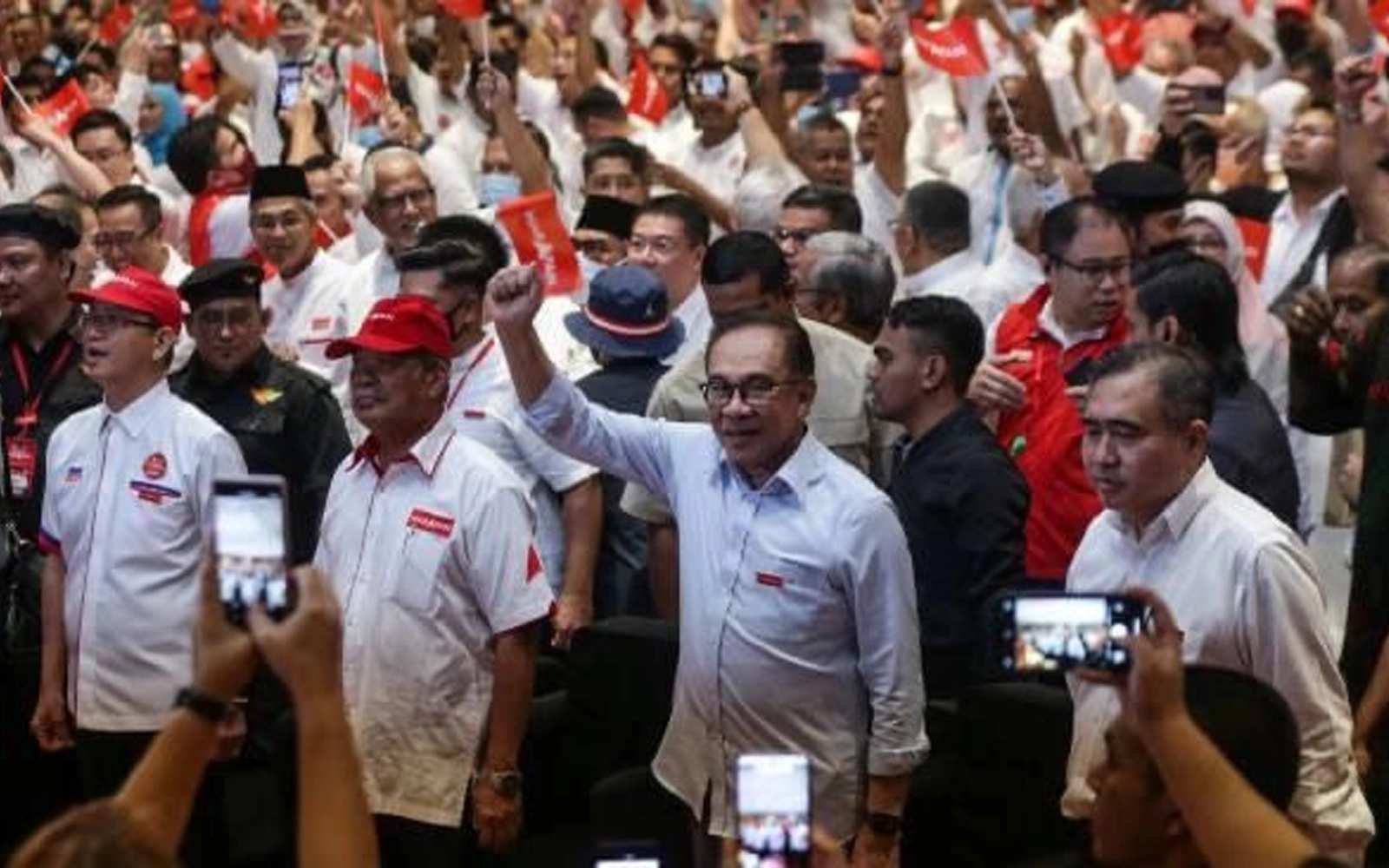
A prominent political analyst asserts that the leader of Pakatan Harapan (PH) must make a decisive decision on whether to adopt a reformist or conservative ideology. Oh Ei Sun, from the Pacific Research Centre of Malaysia, argues that the coalition, which prided itself on its reformist credentials, can no longer maintain its position without rallying support from the Malay majority.
The analyst points out that PH's electoral success began in Sabah, then Johor, and Negeri Sembilan, not by chance. "Deep self-criticism is necessary," he says, adding that PH must work hard to strengthen its base of support and not let wavering supporters slide away. The analyst suggests that PH should choose between becoming a reformist or conservative party.
The electoral results in Negeri Sembilan and Johor in July indicate that PH supporters are increasingly moving towards one side, either not voting or supporting the opposition. PH cannot afford to view any constituency as safe, including strongholds in Penang, Selangor, and Kuala Lumpur. Previously, the federal government was accused of downplaying its progressive identity to attract broader Malay support, a segment that has always been difficult for the coalition to win over.
The PRN in Negeri Sembilan proved that PH's efforts to build alliances with Barisan Nasional (BN) and Perikatan Nasional (PN) have not yielded results, as non-formal cooperation with BN and PN swept all Malay-majority seats, securing a two-thirds majority victory. For the first time, PH took control of Negeri Sembilan in 2018 after controlling 20 out of 36 seats, and retained its control in 2023 when they collectively won 31 seats in a coalition with BN.
Ettore Tayeb, a professor from Universiti Sains Malaysia, says PH must learn to handle ethnic polarization, as seen in PRN Negeri Sembilan, which is expected to continue in future elections. "On one hand, many non-Malay voters are dissatisfied with what PH has achieved so far, especially when it comes to reform," he says. "On the other hand, many Malays still cling to their anti-DAP sentiment."
Azmil suggests that issues at the national level, such as the unregistered Hindu temple and the recognition of Chinese private school's Unified Examination Certificate (UEC), are a reflection of the state government's achievements under Aminuddin Harun. For PH, the PRN results are an early sign of what might happen if the coalition does not make substantial changes.
"Clearly, time is running out for PH," he adds. PH won 11 seats in the Negeri Sembilan PRN, while BN took 18 and PN took seven, with PH leader DAP Chief Loke Siew Fook and PKR Vice President Aminuddin taking the top two seats in Chennah and Linggi respectively. PH's Election Commissioner Amirudin Shari attributes the loss to the use of divisive rhetoric by the opposition throughout the two-week campaign.
Written by urgent.news from Free Malaysia Today's reporting — not their text. Machine-written — may contain errors; check the original before relying on it.