People With Disabilities Fear Service Cuts as Trump’s DOJ Questions Legal Protections
The Department of Justice in June issued a legal opinion saying states aren’t required to provide services that help people with disabilities remain in their homes. The new position has added momentum to states’ existing legal challenges to the requirement and triggered worries among people who rely on these services.
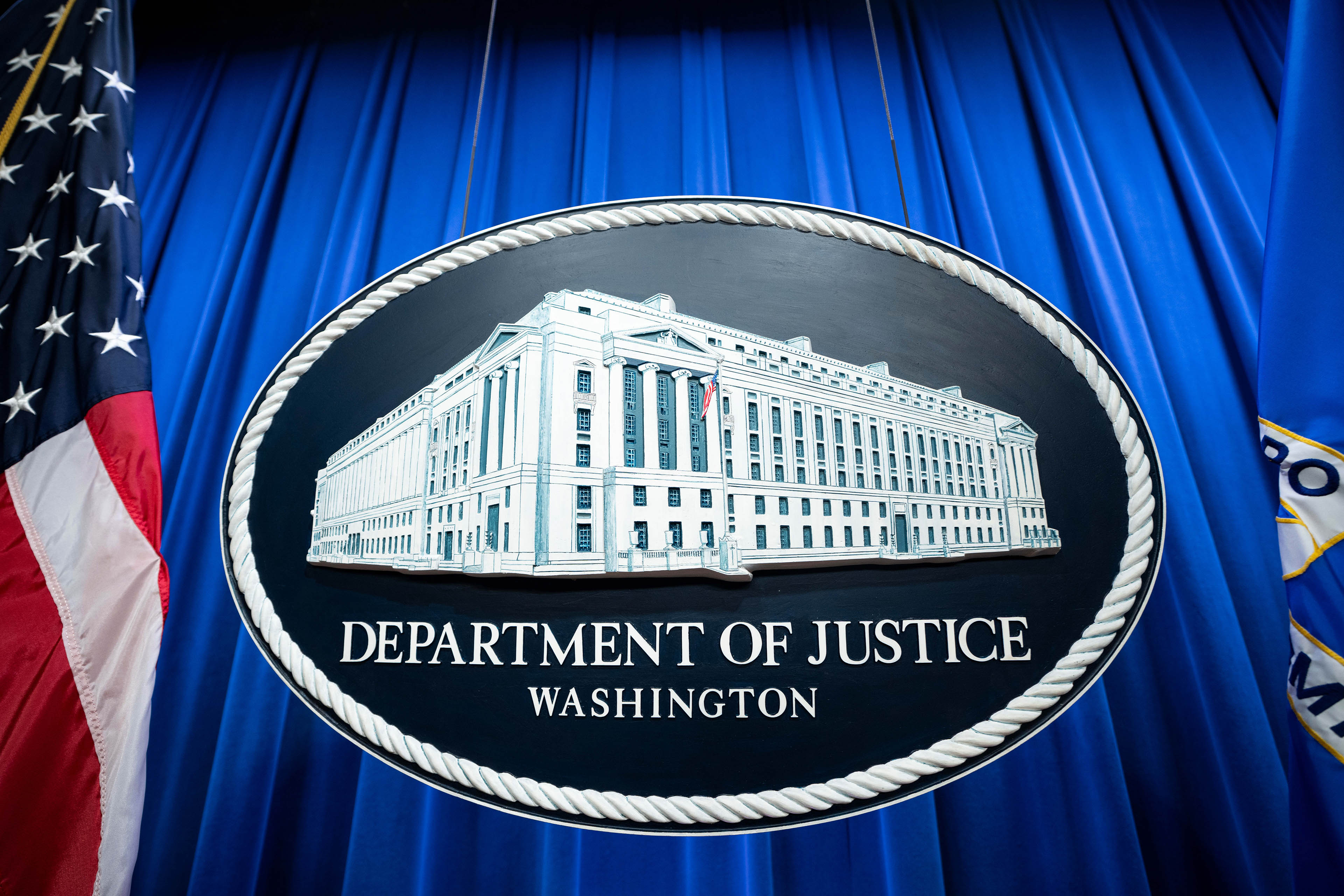
Advocates for people with disabilities fear that the Trump administration's Department of Justice (DOJ) opinion could lead to cuts in services for those reliant on home healthcare. Amanda DeSimone-Shabrack, whose autistic son Mason requires assistance, warns that the DOJ's legal stance could mean her son must be institutionalized.
The DOJ's opinion contradicts a 1999 Supreme Court ruling, which established that unjustified institutionalization is discriminatory under the Americans with Disabilities Act (ADA). Former administrations used the ADA interpretation to enforce civil rights for disabled individuals, but the Trump administration contends this interpretation is incorrect.
Disability rights groups express concern that the new interpretation may lead to a return to forced institutionalization for about 40 million adults and 5 million children with disabilities. The stage is set for a legal battle between advocates, states, and the federal government. Some states have already cited the DOJ opinion in lawsuits challenging disability rights requirements, citing it as evidence that integration mandates are costly and infringe on states' rights.
Advocacy groups fear the DOJ opinion could undermine existing laws and regulations that mandate community-based services for disabled individuals, potentially leading to a rollback of Medicaid services that enable people to stay in their homes. Democrats have criticized the DOJ's memo, portraying it as an attack on the rights and independence of the disability community, and introduced a resolution calling for the DOJ to rescind the opinion.
Written by urgent.news from KFF Health News's reporting — not their text. Machine-written — may contain errors; check the original before relying on it.