Now bird flu has hit seagulls a 'super-spreader' event is more likely
Unlike other birds detected with the virus so far in Australia, seagulls travel beyond coastal environments to more urban and inland areas too.
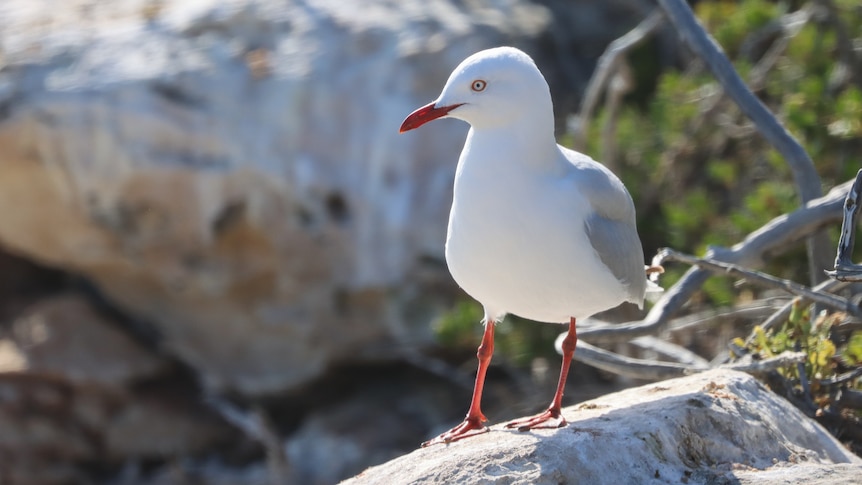
Australia's bird flu crisis has reached a critical stage as the humble seagull becomes the latest species to contract H5N1 avian influenza. Initially, only migratory seabirds and terns were affected, but now seagulls, known for their widespread presence across the country, pose a significant risk of spreading the virus. Seagulls, or silver gulls, can travel vast distances and frequent places like beaches, cities, freshwater systems, and landfills, making them potential super-spreader events.
Their nesting periods in South Australia coincide with the breeding season of greater crested terns, which have also tested positive for the virus. Experts warn that the close proximity of these two species in large groups could lead to rapid spread. The Australian Chief Veterinary Officer, Beth Cookson, stated that while local spread is concerning, it is not unexpected.
The federal government is now considering measures such as mandatory housing orders for free-range chicken operations to prevent further infections. However, the situation remains fluid, and further developments, such as the virus appearing in waterfowl like ducks, could significantly alter the course of the outbreak.
Written by urgent.news from ABC News AU's reporting — not their text. Machine-written — may contain errors; check the original before relying on it.