New US visa rules create fresh hurdles for international students pursuing higher study or careers
International students in the U.S. are facing new uncertainty as sweeping visa regulations introduce additional administrative requirements, higher costs, and stricter rules that could complicate plans to change academic programs or pursue doctoral studies.
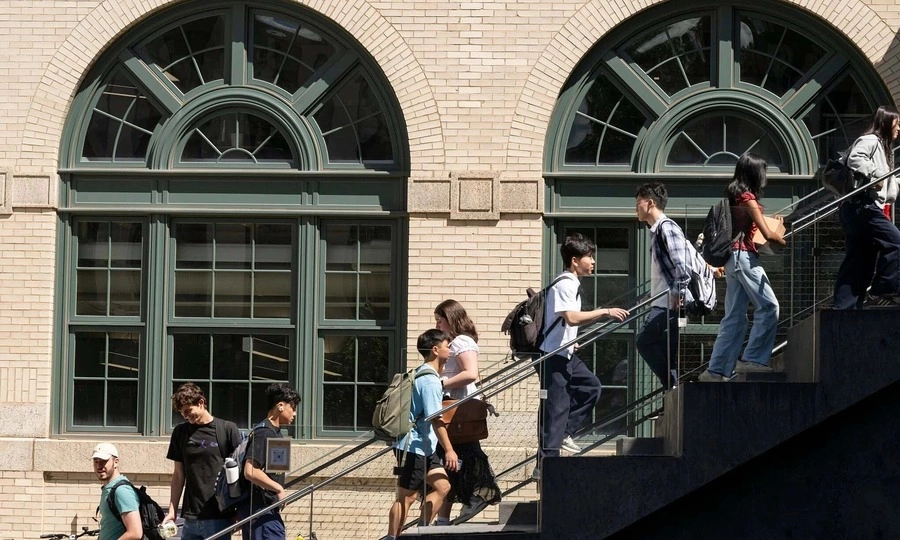
Recent U.S. visa regulations have introduced new challenges for international students pursuing further education or professional careers. Under the new rules, non-immigrant F-1 and J-1 visa holders are now restricted to a maximum four-year authorized stay. To remain in the country beyond that period, students must apply for an extension through the U.S. Citizenship and Immigration Services (USCIS), which comes with stricter requirements and longer processing times.
These changes have caused significant stress and uncertainty among students, who must now carefully manage their visa and immigration paperwork. The new system requires students to independently file an Extension of Stay (EOS) application, updating their records in the Student and Exchange Visitor Information System (SEVIS), and filing a formal EOS application with USCIS.
Graduate students applying for Optional Practical Training (OPT) must now also file an EOS alongside their Employment Authorization Document (EAD) application. Education experts warn that the new framework will increase paperwork, expenses, and processing times, making it more difficult for students to navigate the complex system.
Despite these hurdles, students currently enrolled in U.S. institutions are expected to face limited immediate disruption, as the four-year counter starts on the policy's effective date of September 15.
Written by urgent.news from VnExpress International's reporting — not their text. Machine-written — may contain errors; check the original before relying on it.