New parasitic wasp species discovered growing inside tortoise beetles in the wetlands of Kolkata
Research Matters Staff Writer(s) Kolkata 3 Aug 2026 Researchers have discovered a new species of parasitoid wasp in the Rajarhat wetlands of Kolkata, West Bengal, India. The tiny insect, named Tetrastichus narayandebnathi , is a specialist predator that develops inside the pupae of tortoise beetles. This discovery marks only the third time in history that a wasp from the genus Tetrastichus has…
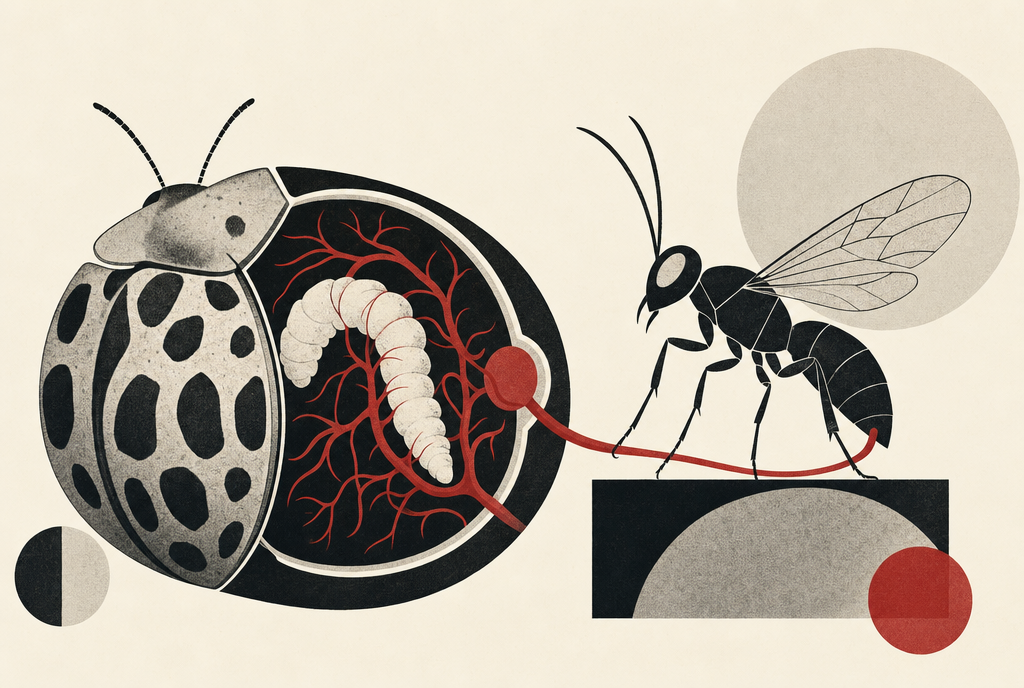
A new parasitic wasp species, Tetrastichus narayandebnathi, was recently discovered in the wetlands of Kolkata, West Bengal, India. This specialized predator was found developing inside the pupae of tortoise beetles, marking only the third time a Tetrastichus wasp has been associated with this group of beetles globally and the second such discovery in India.
The finding was made by researchers from the University of Kalyani, iForNature - Nature Club, West Bengal, and Cairo University, Egypt, during a routine survey of local vegetation. The wasp was detected after noticing a dark-colored pupa on a grass blade, which appeared unusually different from the healthy pupae in the area. Upon closer examination, eight tiny wasps emerged from a single beetle pupa, confirming it as a gregarious primary parasitoid, indicating multiple wasps within and killing a single host.
Measuring only 1.4 to 1.7 millimeters in length, Tetrastichus narayandebnathi is mostly black with a metallic bluish-greenish luster and possesses distinctive features, such as darker-colored legs and a longer hypopygium, that differentiate it from its closest known relative, T. tunicus. The species name honors the late Shri Narayan Debnath, a renowned Bengali cartoonist and illustrator, in recognition of the region's rich artistic heritage.
Researchers believe that understanding the diversity of these parasitoids can lead to more natural pest control methods, reducing reliance on chemical pesticides and benefiting agriculture.
Written by urgent.news from Research Matters India's reporting — not their text. Machine-written — may contain errors; check the original before relying on it.