NASA Delivers Navigation System for Commercial Lunar Relay
NASA delivered the NavCube3-mini payload on July 13 to Intuitive Machines for integration into Altus-1, the company’s first lunar relay satellite, marking an important milestone in the development of future lunar communications and navigation services. The lunar relays are designed to enable communications and navigation for astronauts and rovers operating at the agency’s future Moon Base. About…
NASA has successfully delivered a compact navigation system, NavCube3-mini, to Intuitive Machines for integration into Altus-1, the company's inaugural lunar relay satellite. This milestone marks a significant step towards advancing future lunar communications and navigation services. The NavCube3-mini, measuring just half the size of a shoebox and weighing only 3.5 pounds, is designed to harness Earth-based GPS and Galileo Global Navigation Satellite Systems (GNSS) signals for use at lunar distances.
Operating on minimal power, equivalent to that of a laptop computer, the payload can accurately determine the precise position of spacecraft located far beyond Earth orbit. Developed at NASA's Goddard Space Flight Center in Maryland, the NavCube3-mini builds upon a series of navigation technology advancements aimed at extending GPS navigation capabilities to unprecedented distances from Earth.
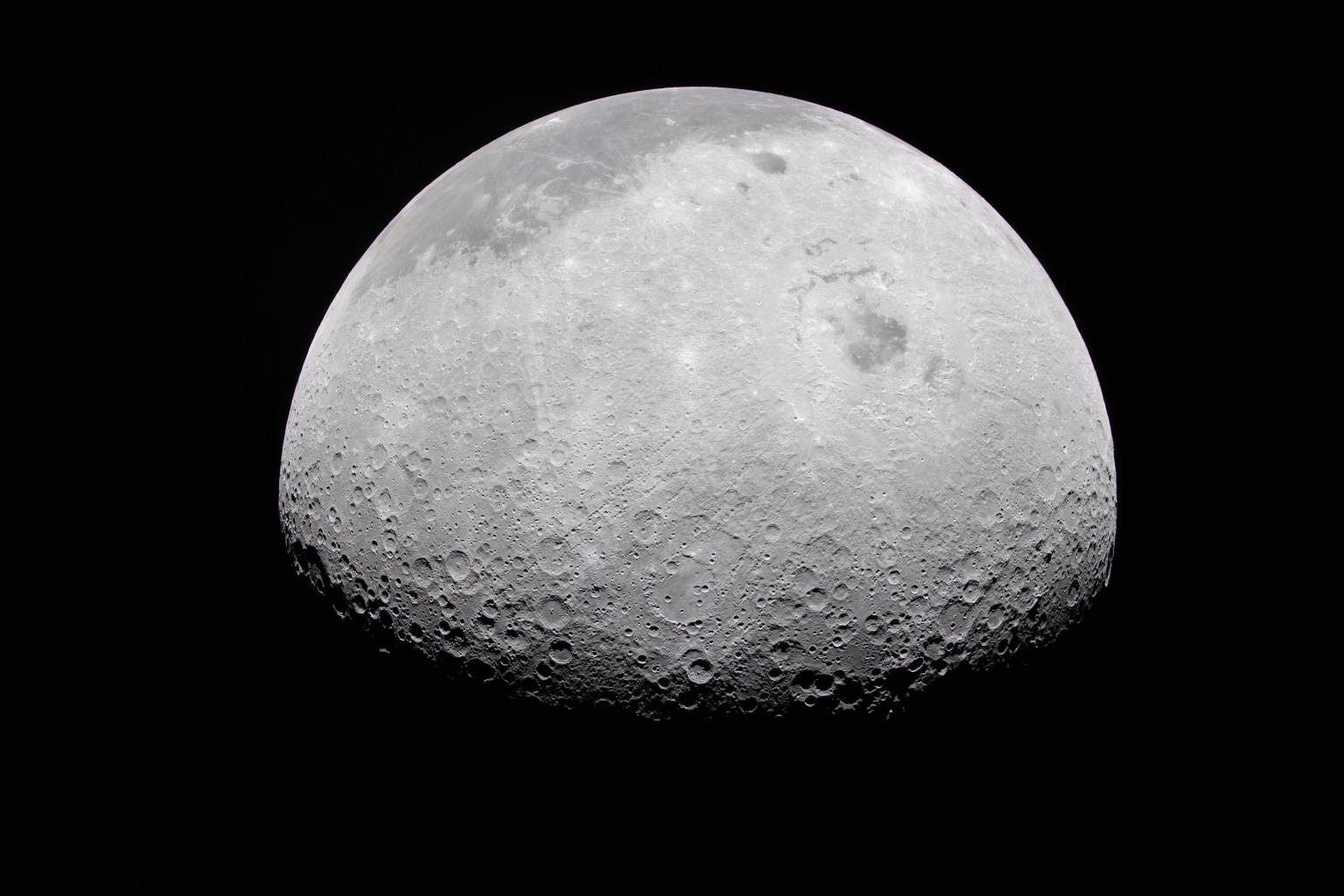
The compact payload will be launched aboard Intuitive Machines' Altus-1 lunar relay satellite, which is set to be the first in a planned network of lunar relay satellites developed under Intuitive Machines' Near Space Network Services contract with NASA. This relay network will provide crucial communications and navigation support for missions operating on the Moon, including the challenging lunar South Pole region where Artemis astronauts are slated to land in 2028.
Direct communications with Earth can prove difficult in this region. By enhancing communications coverage and improving navigation services, the relay network will aid in realizing NASA's vision for a sustained human presence on the lunar surface. Prior to its shipment to Intuitive Machines, the NavCube3-mini underwent rigorous environmental and performance testing at NASA Goddard to ensure its readiness for spaceflight. This included vibration testing to confirm the payload's resilience during launch.
Written by urgent.news from NASA Science's reporting — not their text. Machine-written — may contain errors; check the original before relying on it.
This story
This is one outlet's version. Read the fullest account.