Microsoft acknowledges how dire the RAM crisis is by promising to reduce Windows 11's 'memory footprint' on 8GB laptops — but it should have been this way from the start
'There needs to be a mechanism to prevent this from happening': Microsoft vows to make Windows 11 run better on 8GB, but users complain something else needs fixing — rogue software installs.
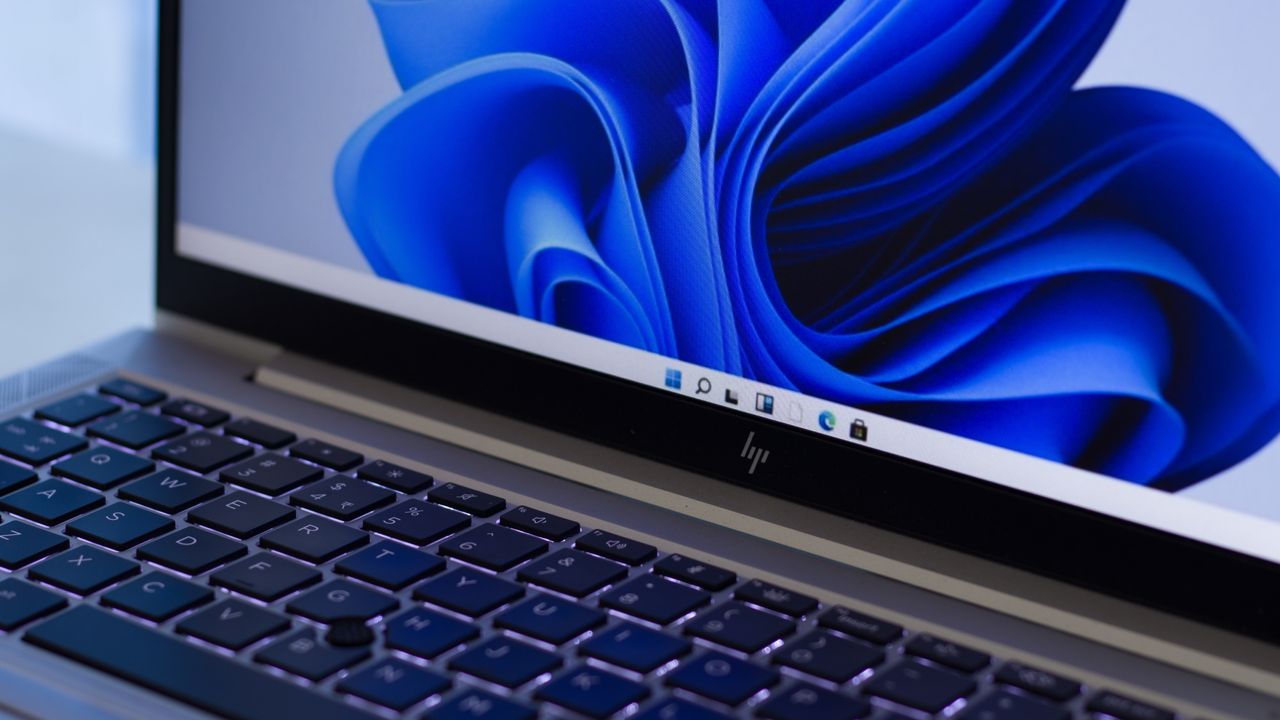
Microsoft has acknowledged the dire RAM crisis faced by Windows 11 users on 8GB laptops, promising to reduce the OS's "memory footprint" on these devices. This commitment follows a series of updates and improvements made to Windows 11 since its launch in March. The company has outlined several areas it plans to address in the coming months, including enhancing setup experiences, improving accessibility features, and refining voice functionality.
However, while Microsoft's efforts to optimize Windows 11 for 8GB of RAM are commendable, the company should have prioritized this aspect from the outset. The RAM crisis has forced laptop manufacturers to reduce memory capacities, and Apple's recent MacBook Neo with 8GB of RAM running macOS highlights the need for Microsoft to have addressed this issue earlier.
While Redditor 'Melchett_General' appreciates some of the fixes proposed by Microsoft, they point out a concerning omission – the lack of a mechanism to prevent third-party software from being installed silently through Windows Update on devices connected to LG monitors. This issue, similar to a recent McAfee pop-up controversy, raises serious concerns about user privacy and control over their devices.
Microsoft has apologized for the McAfee incident, but there has been no mention of addressing the broader problem of unauthorized software installations via hardware manufacturers. This oversight is a critical gap that needs to be addressed to ensure users maintain control over their systems.
Written by urgent.news from TechRadar's reporting — not their text. Machine-written — may contain errors; check the original before relying on it.