Louisiana Students Loft Payloads from NASA Balloon Facility in Texas
Every spring in Palestine, Texas, the wide-open fields around NASA’s Columbia Scientific Balloon Facility fill with students and faculty from across Louisiana. They arrive carrying sensors, laptops, and carefully engineered payloads they have spent months preparing. The goal is to send their experiments to the edge of space and return with meaningful data, while reflecting […]
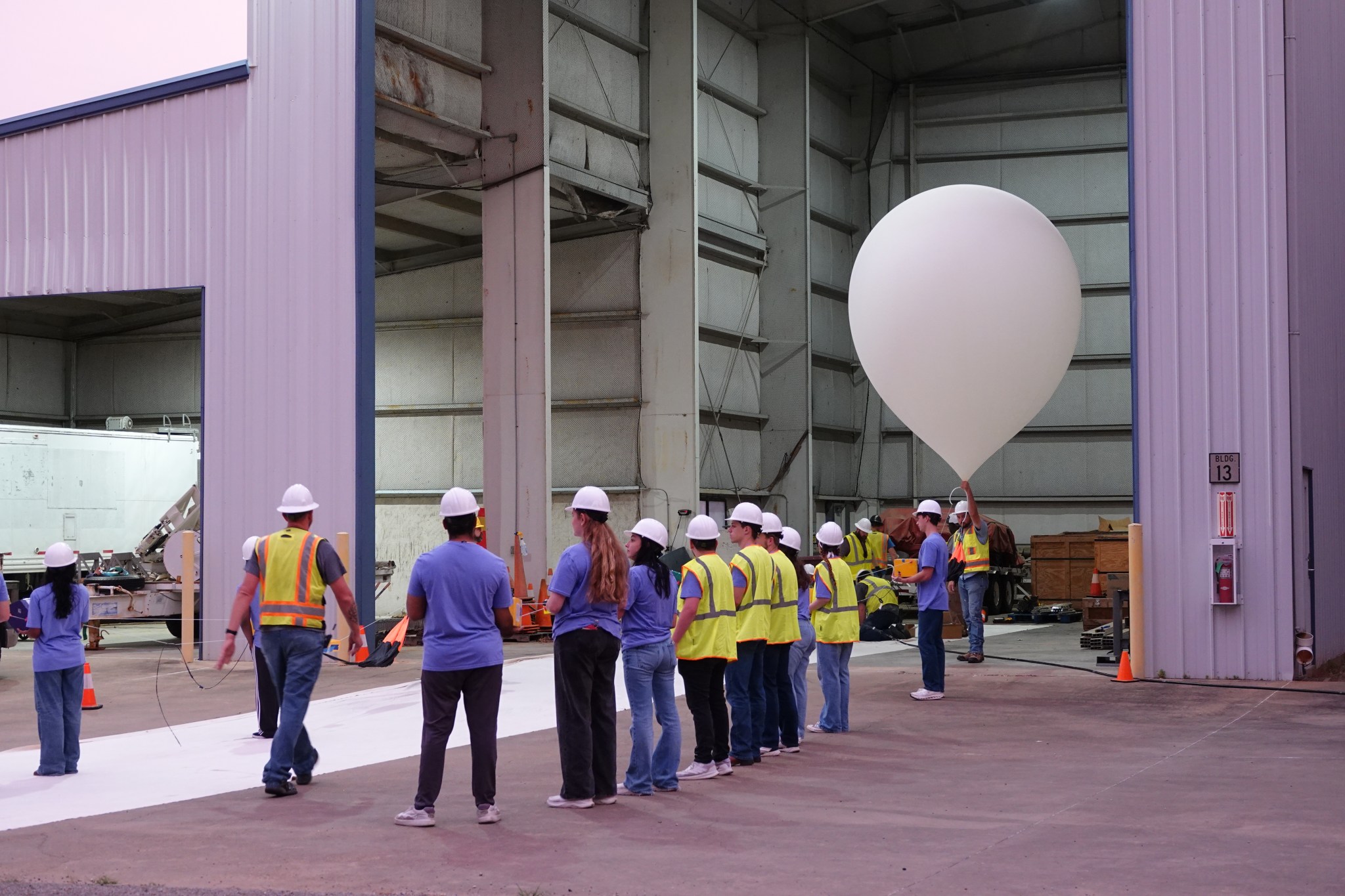
Every spring, students and faculty from across Louisiana gather in Palestine, Texas, at NASA’s Columbia Scientific Balloon Facility. They bring sensors, laptops, and payloads they have designed and built over months. The aim is to send these experiments to the edge of space and return with valuable data, nurturing the next generation of scientists and engineers.
The LaACES program, an undergraduate introduction to scientific ballooning, is a key component of this initiative. During the 2026 LaACES campaign, 11 payloads were launched by nine university teams and one high school team from Louisiana. The payloads studied subjects ranging from atmospheric science to solar cell performance. Before the launch, students went through a series of design reviews, similar to NASA’s engineering process, ensuring their payloads were ready for the mission.
Once cleared, the teams transported to the balloon facility in Texas, where they received daily weather updates, helium fills, and guidance for launch. The first flight window, on May 19, saw the successful launch of two balloons carrying 7-9 pound payloads. These balloons ascended to near-space altitudes and were tracked using various systems.
Both missions completed their flights and were recovered about 60 miles north of the launch site. Students like Savannah Matlock, a Louisiana State University student, found great fulfillment in seeing their data align with their expectations and witnessing the success of their hard work. Programs like LaACES serve as a bridge between academic learning and NASA’s research operations, giving students a firsthand look at the preparation, launch, tracking, and recovery of scientific balloons.
Funded by NASA, LaACES has supported over 500 students across 13 institutions, launching more than 60 balloons and 135 unique payloads since its start.
Written by urgent.news from NASA's reporting — not their text. Machine-written — may contain errors; check the original before relying on it.