Kennedy, Oz Contend Fraud Crackdown, Not Skyrocketing Prices, Led Millions To Leave Obamacare
Rising premiums forced many people in Affordable Care Act plans to give up their coverage. But the Trump administration claims a huge drop in enrollment is almost entirely due to its fraud crackdown.
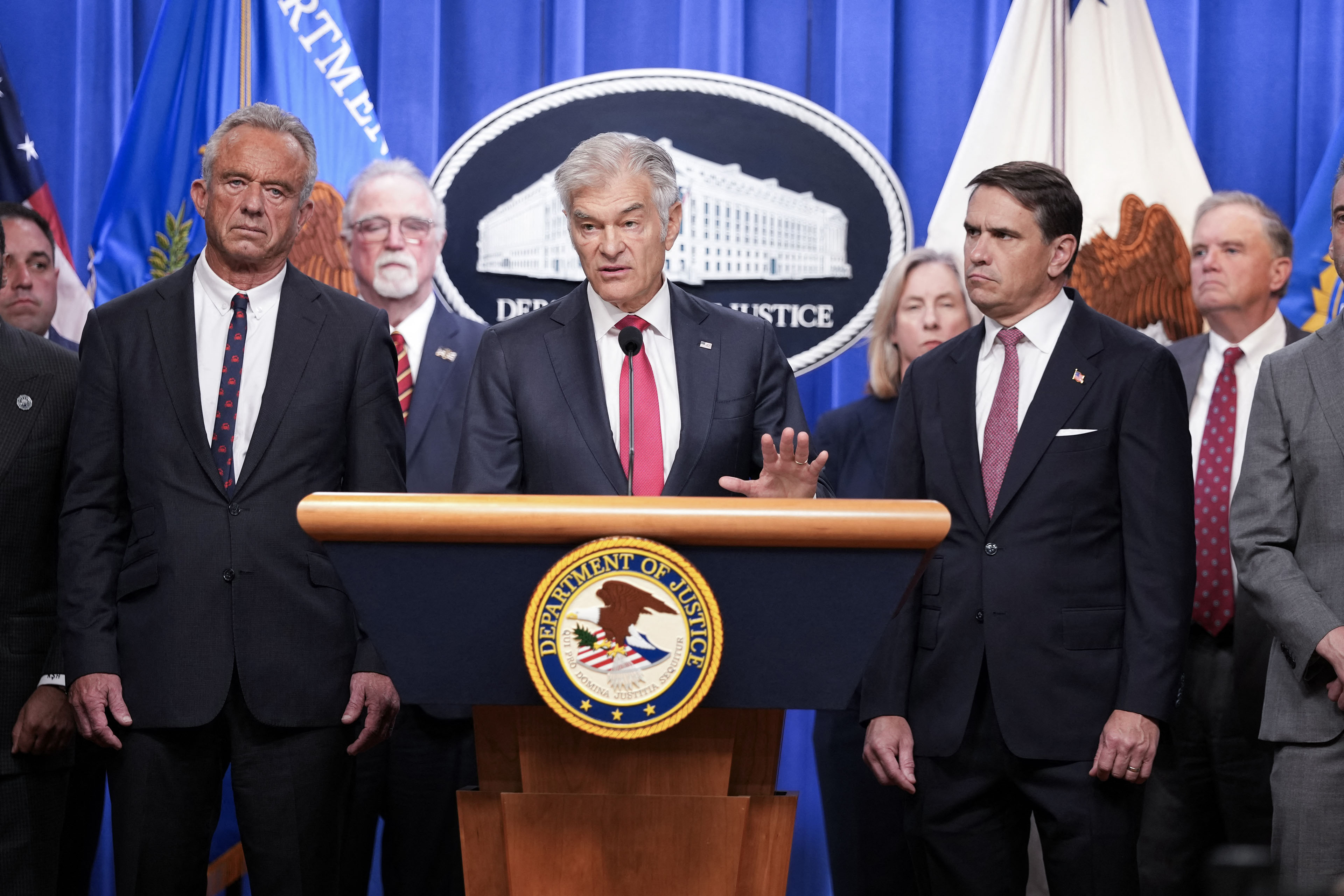
The Trump administration attributes the decline in enrollment for Affordable Care Act (ACA) plans to its efforts in combating fraud, rather than a significant increase in premiums — a claim contested by policy experts who argue that the reality is more nuanced. Enrollment in ACA plans dropped by nearly 3 million this year, reaching approximately 19.2 million, following substantial premium hikes and the Republican-controlled Congress' decision not to extend more generous subsidy programs.
On average, ACA customers are now paying $178 a month in premiums, representing a 58% increase compared to 2025, while deductibles have risen by 37% to nearly $3,800 per year.
Annalyse Keller, spokesperson for Keep Americans Covered, a coalition of industry and patient advocacy groups, emphasized that these are actual individuals facing difficult choices. However, a June report by the Department of Health and Human Services (HHS), largely authored by President Donald Trump's political appointees and allies, contends that 5.6 million individuals were fraudulently enrolled in ACA plans in 2025, with the administration removing 2.9 million of them — equal to the 2026 drop in enrollment.
While there is acknowledgment of ACA fraud, similar to other government programs, the administration asserts that it has taken measures to tighten the enrollment process to prevent brokers from fraudulently enrolling individuals without their knowledge. For instance, in August 2025, the administration halted a Biden-era initiative allowing low-income people to enroll year-round.
Additionally, regulators have removed 1.5 million people since 2025 due to reasons like failing to file taxes over two years or being enrolled concurrently in another health program, such as Medicaid, which is prohibited.
Nevertheless, health policy experts argue that the administration is exaggerating the extent of ACA fraud and that the HHS report relies on questionable assumptions, such as assuming all sign-ups under the year-round enrollment program for low-income individuals were potentially fraudulent. ACA enrollment plummeted significantly due to soaring insurance plan prices, according to policy analysts, and the administration has done little to curb this trend.
Matthew Fiedler, a senior fellow at the Brookings Institution, dismissed the administration's claim that all the enrollment decline is due to improper or fraudulent enrollees as "not remotely credible," noting that "we know that lots of people have seen higher premiums, and there's really good evidence that when premiums go up, people drop coverage."
Healthcare costs are a pressing concern for voters ahead of November's midterm elections, and both Democrats and Republicans are leveraging the issue to their advantage. Democrats advocate for measures to reduce insurance costs for consumers, while Republicans emphasize the importance of combating fraud to save taxpayer dollars.
A recent KFF poll revealed that voters trust Democrats more than Republicans to address healthcare costs (37% vs. 26%), while 55% of Republican voters consider addressing healthcare fraud extremely important, more than any other issue. This shift in focus by the White House has gained some support among its own constituents.
However, Jonathan Oberlander, a professor of health policy and management at the University of North Carolina, questioned the validity of the fraud narrative as voters continue to grapple with rising costs. In an email to KFF Health News, he stated that "it will be cold comfort to the very real persons who could no longer afford coverage and dropped their plans."
As more enrollment data from the federal marketplace and state-run exchanges becomes available, the debate on ACA enrollment trends is expected to persist. Some analysts, including the consulting group Wakely, predict that the number of ACA policyholders could drop by as much as 26% from last year, with Trump's regulators likely linking further declines to their anti-fraud efforts.
The HHS report suggests there may be millions more improperly enrolled, and the authors noted that some of the administration's anti-fraud proposals have been blocked by court rulings.
In a June 27 video released by HHS, Secretary Robert F. Kennedy Jr. praised Mehmet Oz, the head of the administration's efforts to tackle ACA fraud.
Written by urgent.news from KFF Health News's reporting — not their text. Machine-written — may contain errors; check the original before relying on it.