Karnataka’s advisory banning junk food near schools: What it means and why it matters | Explained
By extending restrictions to vendors operating immediately outside school gates, the government hopes to reduce children’s easy access to unhealthy foods during school hours
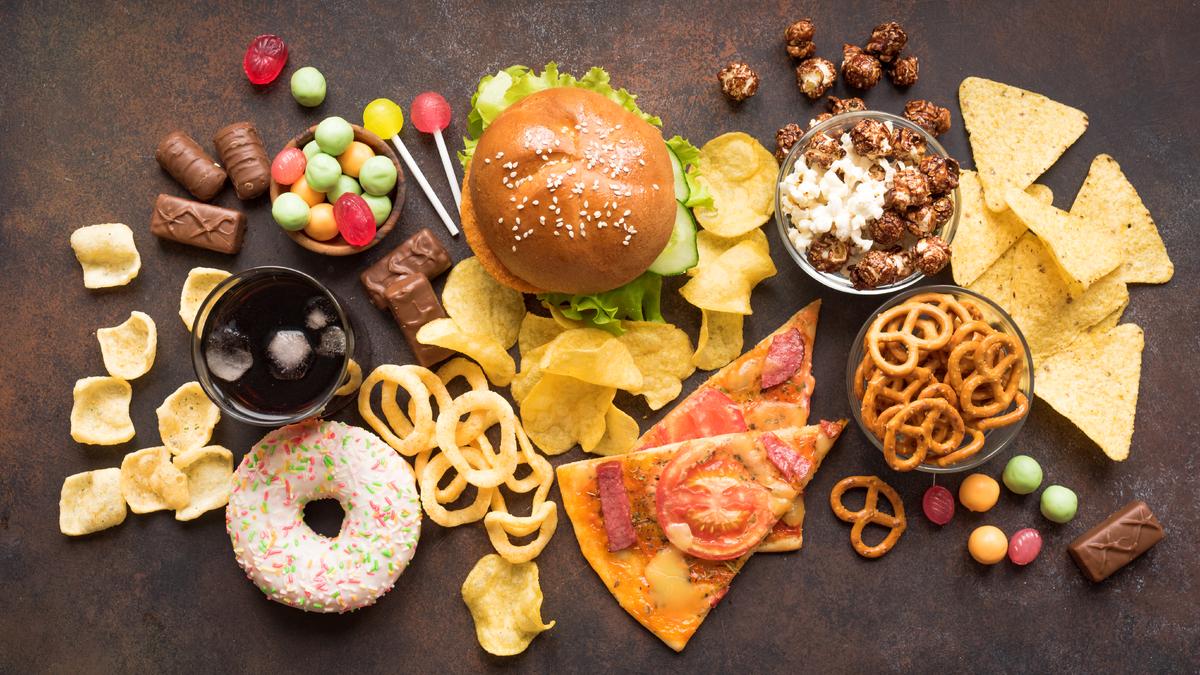
The Karnataka government has issued an advisory discouraging the sale, distribution, promotion, and advertisement of high-fat, high-sugar, and high-salt foods, particularly near schools and colleges. The advisory aims to improve children's nutrition and prevent lifestyle-related illnesses by creating healthier food environments.
This measure extends beyond school canteens, covering vendors operating within a 50-meter radius of educational institutions. Similar regulations already exist, but the advisory emphasizes implementation and enforcement.
Childhood obesity and lifestyle-related illnesses are on the rise, making this advisory timely and crucial. Inspections at educational institutions revealed widespread availability of processed snacks, sugary beverages, and refined carbohydrate-based foods, which are often energy-dense but nutritionally poor. Experts support the advisory, emphasizing that schools play a critical role in shaping children's lifelong eating habits.
Easy access to junk food promotes frequent consumption of nutrient-poor foods over healthier alternatives, leading to long-term health risks such as obesity, diabetes, hypertension, and cardiovascular diseases.
The advisory builds upon existing regulations that require schools to promote balanced diets and discourage HFSS foods, ensuring that the food served on campuses meets nutritional standards. Karnataka's advisory strengthens implementation by extending restrictions to a wider area, recognizing that students often purchase snacks from vendors located just outside school gates.
Schools are advised to promote balanced diets centered on fresh, locally available foods such as whole grains, millets, pulses, fruits, vegetables, milk, and other traditional nutritious foods. Healthy eating habits established in childhood can prevent long-term health risks and influence dietary habits into adulthood.
Written by urgent.news from The Hindu Health's reporting — not their text. Machine-written — may contain errors; check the original before relying on it.
This story
This is one outlet's version. Read the fullest account.