Kalgoorlie’s 1970s mine-waste forest still shields the city today
Kalgoorlie-Boulder once suffered severe dust storms due to mining activities. A greening initiative began in the 1970s to combat this environmental problem. Thousands of hectares of forest now protect the city from windblown dust. This long-term project dramatically reduced dust levels over twenty years. The city now enjoys improved air quality and beautified landscapes.
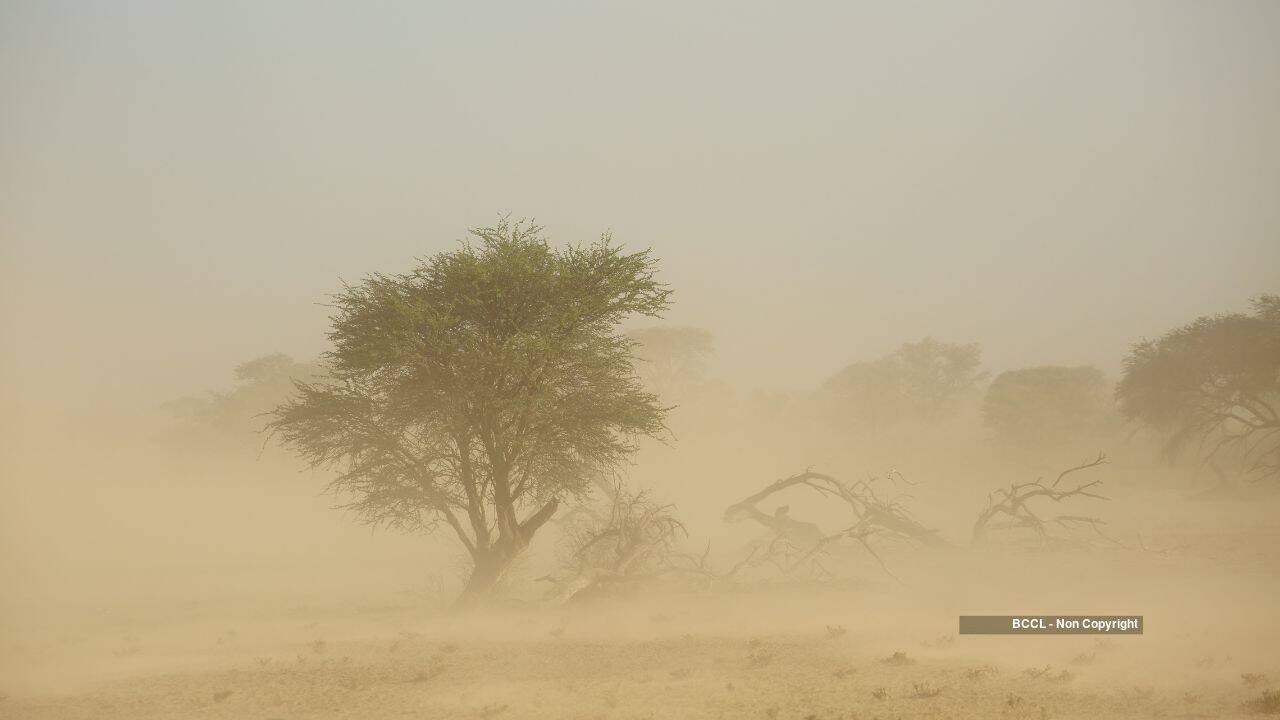
For years, Kalgoorlie-Boulder was plagued by dust storms that could envelop the mining city in choking clouds of red and grey dust, disrupting daily life. However, a long-running greening effort initiated in the 1970s has significantly reduced the frequency and severity of these storms, according to ABC.
Long-time resident Doug Daws vividly recalled the dust storms, noting that people would frantically shut windows and doors when the wind approached, though the dust often still infiltrated the town. Dust storms had been an issue since the 1890s, exacerbated by gold mining activities that cleared vegetation and exposed soil, making it easy for the wind to lift it into the air.
In 1973, a turning point occurred when Julian Grill proposed a plan to fight back against dust by planting trees, rehabilitating land, and managing the surrounding area. Initially met with skepticism, the idea gained traction due to the city's economic uncertainty and a lack of alternative solutions. Grill became chair of the Goldfields Dust Abatement Committee, which embarked on a bold plan to reshape the landscape around the city.
The committee created six reserves as a northern buffer, eventually covering approximately 3,500 hectares of forest, designed to trap dust before it could reach the city. This ambitious project was not without challenges, as vandals destroyed many saplings early on, necessitating fencing and continued efforts despite limited authority.
Another major hurdle was the management of mine tailings, which were significant sources of windblown dust. In the late 1980s, many of these dumps were consolidated into a single storage area, reducing the amount of exposed material around the city.
The dust reduction process was gradual, taking around 20 years to fully take effect. By the early 1980s, dust storms, while still present, were much weaker by the time they reached the city. Today, dust levels are typically well below national air quality recommendations. While the city still experiences dust, it is far less severe than the once-devastating storms.
The Goldfields Dust Abatement Committee evolved into the Kalgoorlie-Boulder Urban Land Care Group in 1994, shifting its focus from battling dust to broader greening and land care efforts across the city. Today, the group continues to plant trees, maintain reserves, and support the green spaces that now protect and beautify the region.
Kalgoorlie-Boulder's dust story is a testament to the power of patient, community-led environmental solutions. The town did not overcome its dust problem overnight; it achieved transformation through scientific approaches, volunteer effort, and unwavering determination over many years. This legacy is evident in the city's current landscape of trees, reserves, and rehabilitated land, as well as the resilient spirit of its people who refused to accept dust as inevitable.
Written by urgent.news from Times of India's reporting — not their text. Machine-written — may contain errors; check the original before relying on it.