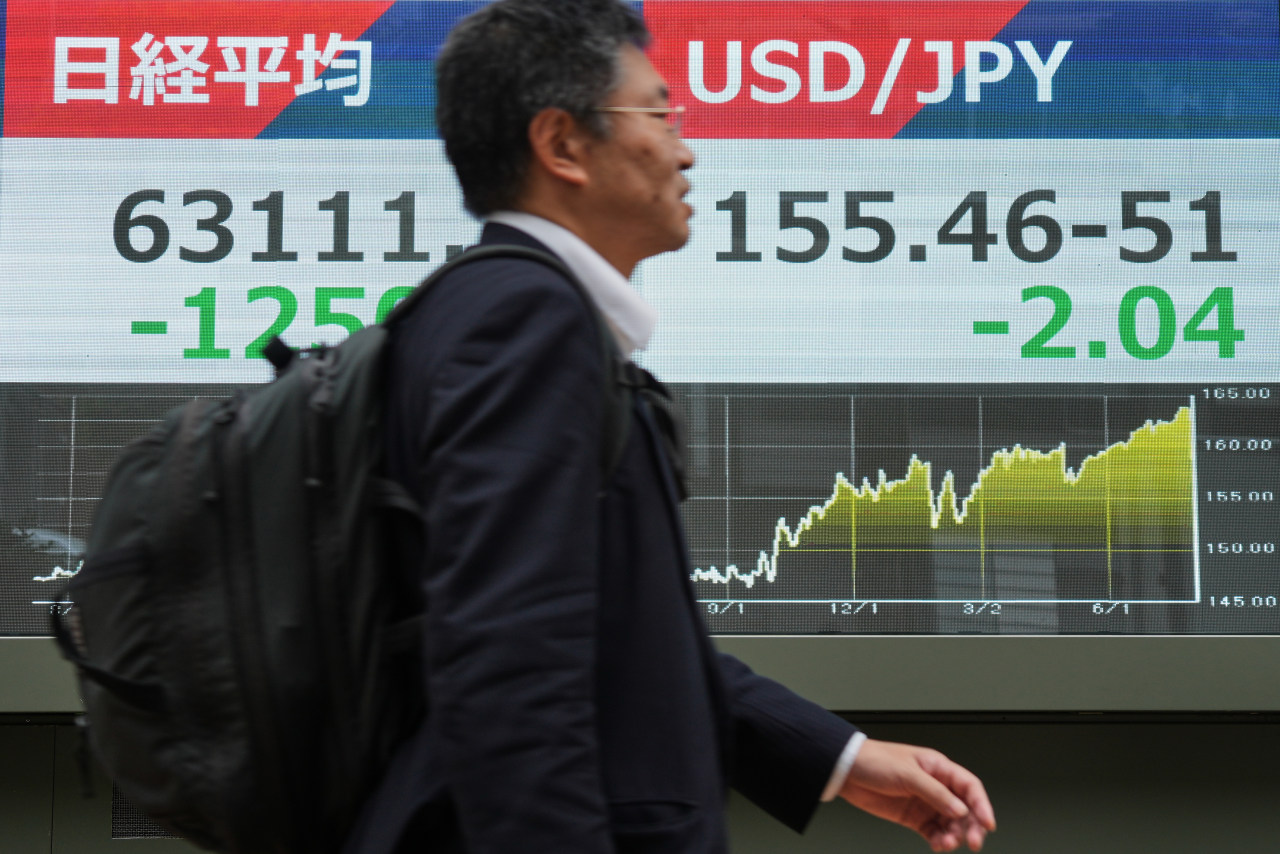
Joint U.S.-Japanese intervention boosts the yen — but will it be enough?
Although forex market intervention can affect exchange rates, most strategists believe interest rate differentials are the ultimate arbiter of the direction of travel. Japan’s rates are much lower than the U.S.
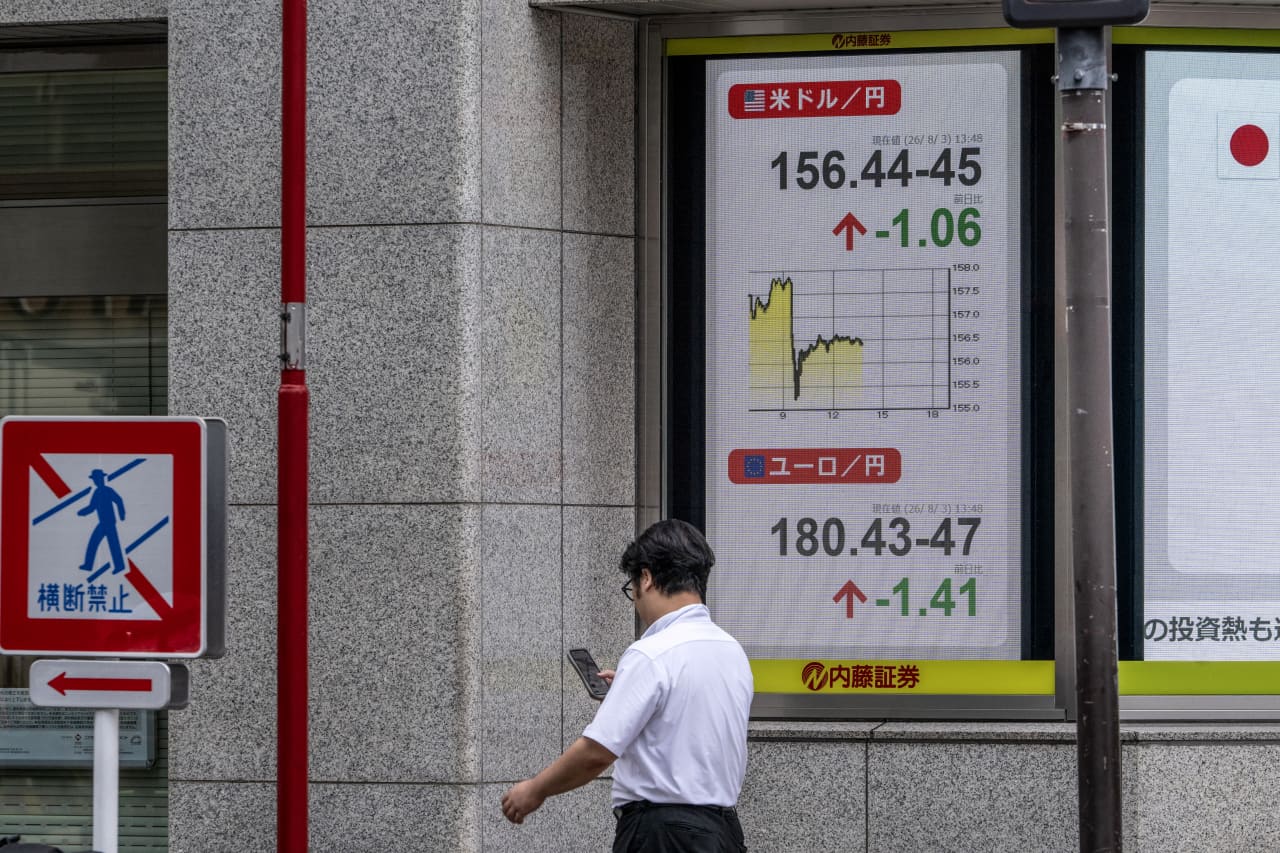
The Japanese Yen experienced a significant rise above 155.50 on Monday, following an announcement of a joint intervention by the United States and Japan. This came as the USD/JPY pair dropped to its lowest level since May 6 during early Asian trading hours. Japan's Finance Minister Satsuki Katayama and US Treasury Secretary Scott Bessent were reportedly working together to stabilize the currency.
Bloomberg reported that the two countries had conducted coordinated Yen-buying intervention on Friday, a move that had not been seen in decades. Katayama mentioned that Japanese authorities would not hesitate to carry out more foreign exchange intervention with Washington if necessary. Bessent confirmed that the coordinated FX moves had helped curb disorderly Japanese Yen swings, and that the Treasury would remain vigilant and maintain close communication with counterparts at the Ministry of Finance and the Bank of Japan.
The Japanese Yen is often considered a safe-haven investment, with its value largely influenced by the Bank of Japan's policy, bond yields, and risk sentiment among traders. The Bank of Japan's ultra-loose monetary policy between 2013 and 2024 led to a depreciation of the Yen, but recent policy unwinding and interest-rate cuts by other central banks have provided support to the currency.
Written by urgent.news from FXStreet's reporting — not their text. Machine-written — may contain errors; check the original before relying on it.
This story
This is one outlet's version. Read the fullest account.