John C Williams: Stability of Thy Times
Remarks by Mr John C Williams, President and Chief Executive Officer of the Federal Reserve Bank of New York, at the Partnership for New York City, New York City, 15 July 2026.
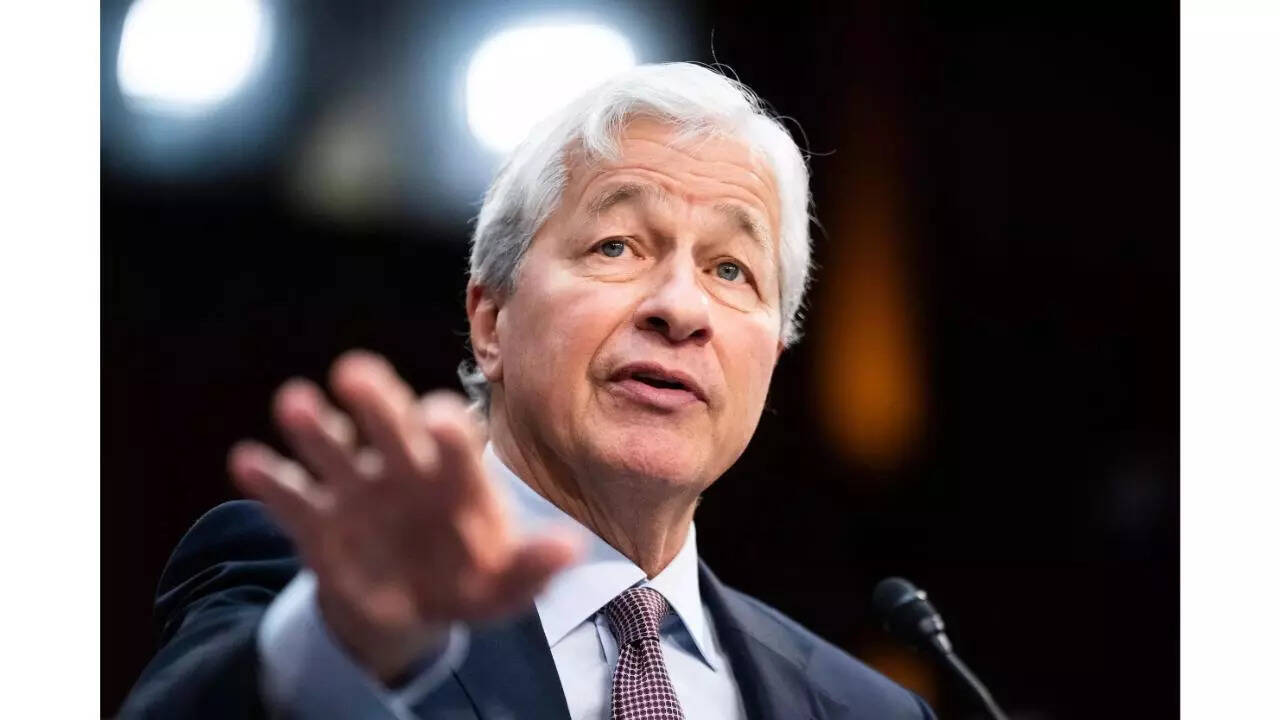
Ladies and gentlemen, esteemed colleagues, and distinguished guests, I am John C. Williams, President and Chief Executive Officer of the Federal Reserve Bank of New York. It is my great honor to be here today at the Partnership for New York City, a venue that epitomizes the spirit of collaboration and the pursuit of economic prosperity and stability.
Before I delve into the intricacies of our current economic landscape, I would like to extend my gratitude to Steve, for his warm introduction, and to Rob, for what promises to be an enlightening and engaging discussion. Today, we stand in the presence of a powerful partnership, as the Federal Reserve Bank of New York and the Partnership for New York City have long shared a common mission, working together to promote economic prosperity and stability.
During times of disruption and uncertainty, such as the Great Depression, these sentiments found their way onto the walls of Rockefeller Center, inscribed in stone: "Wisdom and knowledge shall be the stability of thy times." Although these words may not have been immediately visible on your way to our event, they serve as a poignant reminder of the importance of wisdom and knowledge in guiding us through challenging times.
Today, I will be addressing the sources of stability in our economy during these profoundly uncertain and unpredictable times, as well as areas where resilience remains limited. I will also discuss the shifts and trends we are observing right here in New York City and share my outlook for the U.S. economy more broadly. Finally, I will provide an explanation of how the Federal Reserve is working to achieve its goals of maximum employment and price stability.
First, let us take a step back and examine the U.S. economy as a whole. Despite the challenges posed by the Middle East conflict, the U.S. economy has demonstrated remarkable resilience. Recent data indicate solid GDP growth averaging around 2 percent over the past year and a half. While there are pockets of exceptional growth fueled by optimism, productivity gains, and robust investment, the overall growth rate remains near its trend rate due to offsetting weaknesses in other sectors.
The resilience of the economy can be attributed to a combination of factors, primarily the strong optimism surrounding technology and artificial intelligence (AI). This optimism has led to surging business investment and stock market gains, which in turn boost consumer spending. These positive factors have helped offset declines in sectors such as residential construction, government expenditures, and the impacts of higher energy costs on household spending.
In terms of the labor market, another component of the Federal Reserve's dual mandate, the unemployment rate has remained within a narrow range of 4-1/4 to 4-1/2 percent over the past year. Payroll employment growth has been positive, and other labor market indicators, including job openings, unemployment insurance claims, and job-finding and separation rates, have remained stable or slightly improved.
Moreover, survey measures of job and worker availability, along with the New York Fed's job security gap, have largely stabilized, albeit at low levels.
Next, let us turn to the side of the dual mandate focused on price stability. Inflation remains a significant concern, as it stands at approximately 4 percent, well above the Federal Open Market Committee's (FOMC) long-term goal of 2 percent. This elevated inflation can be attributed to three primary drivers: higher tariffs on imported goods, supply chain disruptions and higher energy and commodity prices resulting from the Middle East conflict, and the robust demand for certain technology-related goods and electricity associated with the AI surge.
While the direct effects of existing tariffs on prices have largely played out, some businesses anticipate further tariff-related price increases. However, it is my belief that any new tariffs will primarily replace those that have expired, so we should not see a significant additional price impulse stemming from this source moving forward.
Another factor contributing to inflation is the supply-demand imbalance arising from AI-related investment. While robust AI investment is essential for long-term productivity growth, it currently outpaces available supply in certain categories of goods, such as semiconductors and power transformers. This imbalance is driving up prices for these essential inputs, which are also used in other goods purchased by consumers and businesses. Consequently, higher costs are starting to affect prices across various sectors of the economy.
Despite these challenges, there are reasons to be optimistic about the future downward trajectory of inflation. First, the direct effects of existing tariffs on prices appear to have largely played out, although some businesses expect further tariff-related price increases. Second, data continue to show relatively modest increases in market rents, suggesting that shelter inflation should continue its downward trajectory observed over the past three years.
Third, based on current oil prices and futures market pricing into next year, it seems that energy and related goods prices have likely peaked and will soon return to pre-Hormuz closure levels. Fourth, supply-demand imbalances stemming from AI-related investment are expected to recede over time as market adjustments take place.
As we look ahead, it is crucial to recognize that the economic landscape is fluid and subject to significant uncertainty. Price stability remains a top priority for the Federal Reserve, and we will continue to closely monitor developments and adjust our policies accordingly to ensure that inflation remains on track to reach our 2 percent long-term goal.
In conclusion, while the challenges we face today are undoubtedly complex, we must remain steadfast in our commitment to promoting economic prosperity and stability. By harnessing the power of wisdom and knowledge, as embodied in the words inscribed at Rockefeller Center, we can navigate these uncertain times and build a more resilient and prosperous future for our economy and our city.
As I stand here in this building, I am reminded of the words that resonate through the halls of the Federal Reserve Bank of New York: "Live from New York!" I urge you all to join me in embracing this sentiment and working together to ensure that our economy and our city thrive in the years to come. Thank you.
Written by urgent.news from BIS Central Bank Speeches's reporting — not their text. Machine-written — may contain errors; check the original before relying on it.