ISSER raises concerns over sharp decline in capital expenditure
The Institute of Statistical, Social and Economic Research (ISSER) has cautioned that Ghana’s improving fiscal performance may be coming at the expense of long-term economic growth, arguing that the government’s stabilisation efforts are being driven more by spending cuts than stronger revenue mobilisation. Presenting ISSER’s assessment of the 2026 Mid-Year Budget Review, the Institute’s…
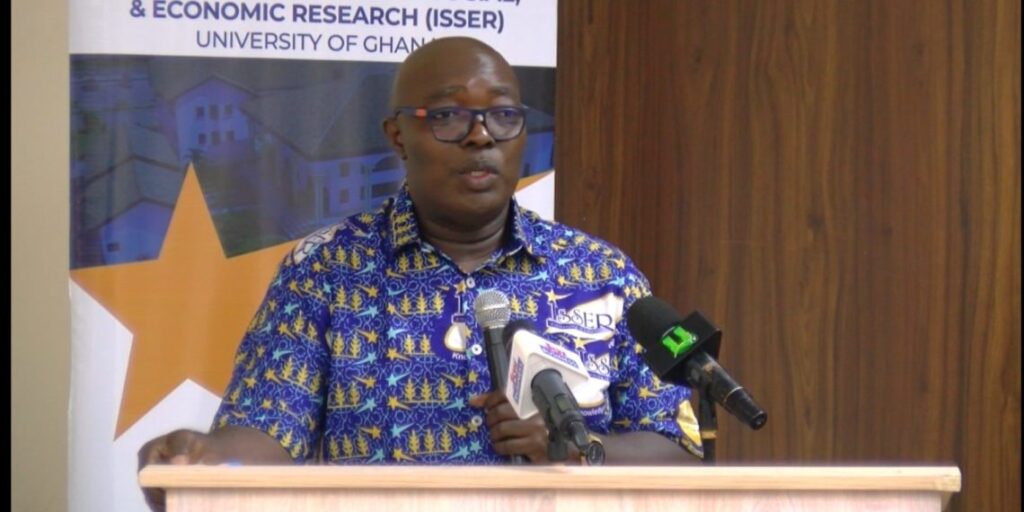
The Institute of Statistical, Social and Economic Research (ISSER) has raised concerns over Ghana's sharp decline in capital expenditure, suggesting that the government's fiscal stabilization efforts may be unsustainable. During the Mid-Year Budget Review, ISSER's Director, Professor Robert Darko Osei, presented findings indicating that while the government met its fiscal targets, the methods used to achieve them raise questions about the long-term growth prospects of the nation.
According to ISSER's analysis, total revenue and grants fell slightly below targets during the first half of 2026, but government expenditure was significantly lower than planned. Total spending was 20.6% below budget, indicating that Ghana's improved fiscal position was primarily due to expenditure restraint rather than increased revenue mobilization. The most substantial reduction was observed in capital expenditure, which is critical for long-term economic growth and development.
Capital spending, which was budgeted at approximately GH¢36.6 billion for the first half of the year, was only about GH¢21.7 billion, falling roughly 41% short of the target. Professor Osei emphasized that capital projects, such as infrastructure and productive investments, are essential for sustaining economic growth and creating jobs.
The Institute warned that prolonged underinvestment in infrastructure could weaken Ghana's productive capacity, delay job creation, and constrain future growth, despite positive macroeconomic indicators.
ISSER also questioned the potential impact of the slowdown in capital spending on the government's Big Push infrastructure program, a key component of Ghana's economic transformation agenda. The delayed capital expenditure contradicts the program's emphasis, according to Professor Osei. The Institute's concerns arise as the construction sector shows subdued performance, expanding by just 1.3% in the first quarter of 2026, despite the government's ambitious infrastructure plans.
While ISSER acknowledges that expenditure restraint has helped the government outperform fiscal targets on the deficit and primary balance, they caution against excessive reliance on spending cuts to achieve macroeconomic stability. The Institute concludes that while Ghana is making progress towards restoring macroeconomic stability, maintaining this progress will require a balanced approach between fiscal consolidation and productive public investment.
Written by urgent.news from MyJoyOnline Ghana's reporting — not their text. Machine-written — may contain errors; check the original before relying on it.