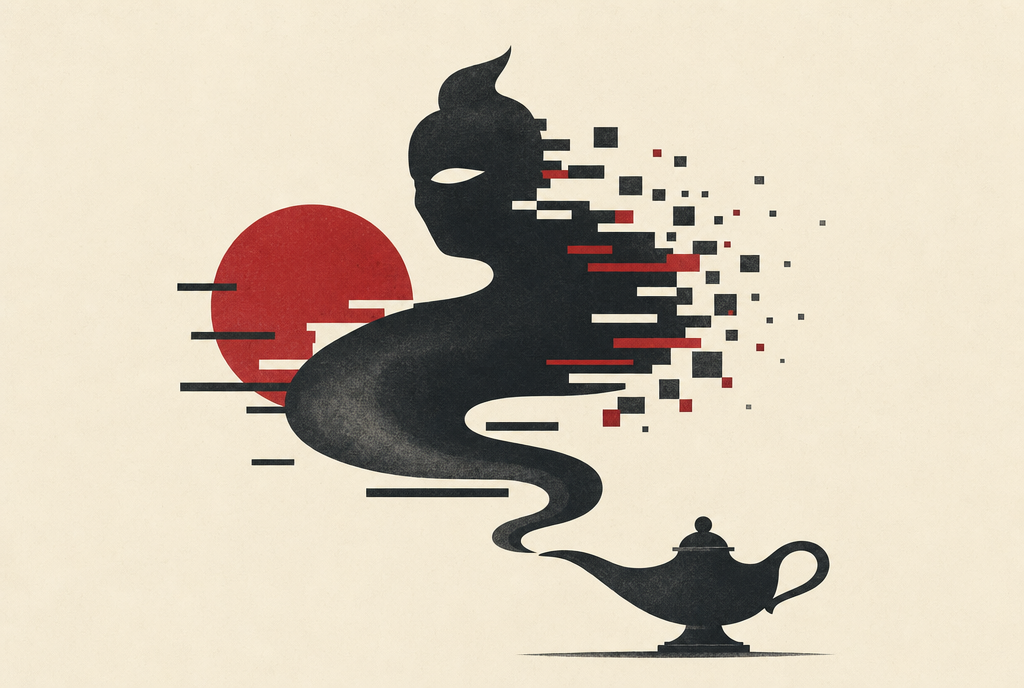
Is AI creating the next wave of software sprawl?
Perhaps the drive to adopt AI is exposing existing, disconnected processes as a deeper, more urgent problem.

The rapid adoption of AI across enterprises has brought forth a new challenge: software sprawl. While AI's growth cannot be ignored, it is the complexity that accompanies it that may prove more difficult to manage. A recent study from Harvard Business Review found that AI tools may be contributing to mental fatigue, as people struggle to keep up with excessive interaction with these tools. The question now arises: how can organizations effectively manage this next wave of automation without creating even more complexity?
The answer lies in implementation, not just the tools themselves. AI is not a simple replacement for SaaS; its true potential lies in how it is implemented. Rather than layering AI tools onto existing systems, organizations must rethink their processes and ask, "Where is the real friction in the work process, and how can it be eliminated with AI?"
One significant problem is the "shadow work" that plagues businesses. Shadow work refers to manual tasks outside of people's core jobs, exacerbated by disconnected systems. UK businesses lose billions of pounds annually due to this issue, with employees spending hours a week on these non-core tasks. As these tasks continue to accumulate, they impede employees' ability to focus on their real work, ultimately affecting output and growth.
The core issue is that systems are unable to communicate with one another, and merely adding AI tools will not resolve the problem. Legacy systems that lack proper integration are the primary roadblock to addressing this issue. When these systems are not aligned, productivity and satisfaction suffer, and business growth is hindered.
Looking ahead to 2026, the key to unlocking the next wave of productivity may be stack rationalization. Rather than simply adding more tools, businesses must focus on simplifying their tech stack and integrating intelligence into the operational core, where people and systems can work together seamlessly. This approach prioritizes simplicity over growth and places people before software sprawl.
Ultimately, the productivity gap won't close itself. The real measure of progress will not be the volume of AI deployed within a business, but rather the amount of friction that organization has managed to remove. Leaders who can successfully remove unnecessary complexity and focus on creating workflows that truly benefit their employees will be the ones leading the next generation of innovation.
Written by urgent.news from TechRadar's reporting — not their text. Machine-written — may contain errors; check the original before relying on it.