Iran war could still alter Beijing’s policy calculus: economist
With the US-Israel war on Iran entering its sixth month, Chinese policymakers have a multitude of questions weighing on their minds, with two proving particularly thorny according to a prominent economist: how much longer the conflict might last, and whether it will necessitate adjustments to previous plans. While the continuing impact on China might remain “small”, said Mao Zhenhua – co-director…
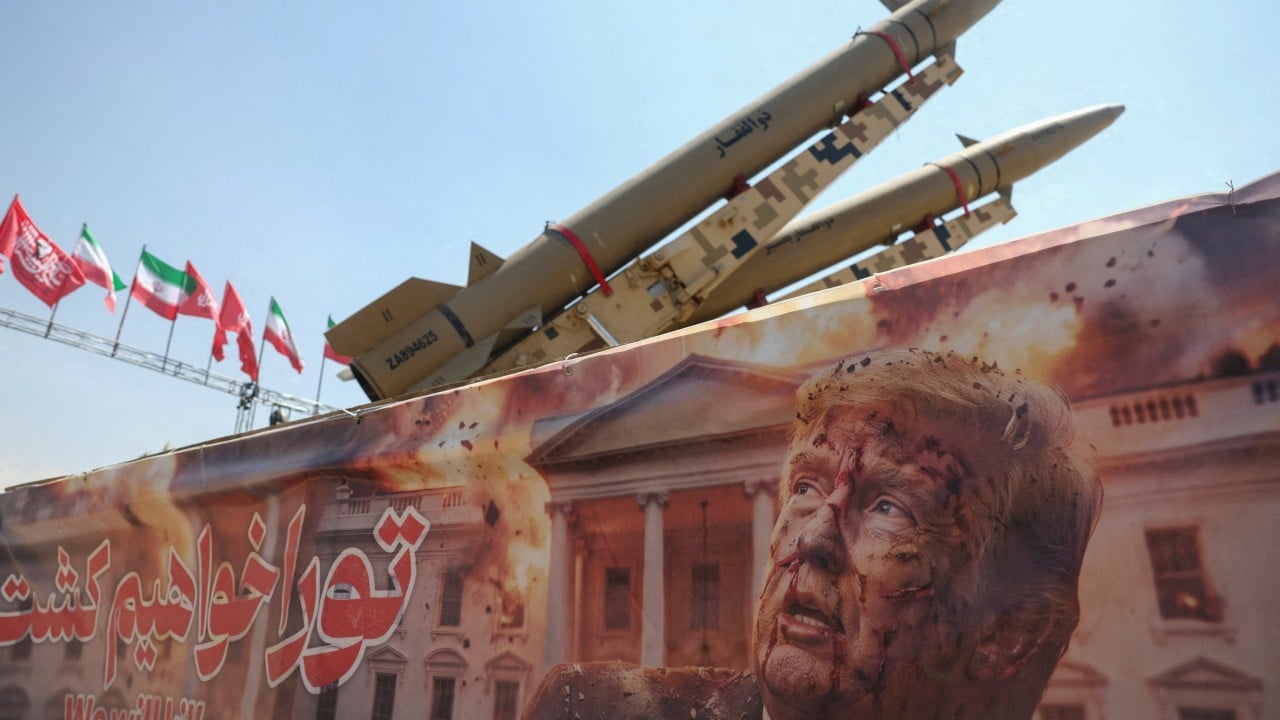
As the US-Israel war on Iran enters its sixth month, Chinese policymakers are grappling with multiple questions, with the duration of the conflict and the necessity for policy adjustments being particularly challenging, according to economist Mao Zhenhua. While the impact on China may remain "small," the prolonged war could still alter Beijing's macroeconomic management, pushing it to better address internal issues.
Mao noted that while the war has caused spillover, China is expected to face the smallest impact among major economies. Despite a slowdown in Chinese economic growth in the second quarter of the year, the country possesses the resilience and capacity to mitigate further challenges. The slowing growth, attributed to the war's initial shocks, can be neutralized by the inherent resilience of the national economy.
Beijing has set its growth target for the year at a range of 4.5 to 5 per cent, reflecting the potential for policy adjustments in response to the ongoing conflict and domestic slowdown. Mao suggested that higher expectations of adjustments may arise as Beijing grapples with the war's impact and persistent external uncertainty. He emphasized the importance of direct cash subsidies to households and large-scale distribution of consumption vouchers as part of the policy adjustments.
China's energy security has been tested by the war, but strategic stockpiling and access to alternative sources like Russia have helped mitigate the crisis. The country's ample strategic reserves, coupled with an increase in oil imports from Russia and Central Asia, as well as a green energy boom, have contributed to its resilience.
However, Mao cautioned against complacency, warning that relying solely on technology innovation is unlikely to boost domestic demand in the short term. He stressed the need for effective policy implementation to address the challenges posed by the Middle East conflict.
Written by urgent.news from South China Morning Post's reporting — not their text. Machine-written — may contain errors; check the original before relying on it.