Indian Rupee: Policy holds with FX intervention – BNY
BNY’s Geoff Yu expects the Reserve Bank of India to keep the repo rate at 5.25%, relying on macroprudential tools to manage financial stability while INR remains pressured by higher Oil and a stronger Dollar.
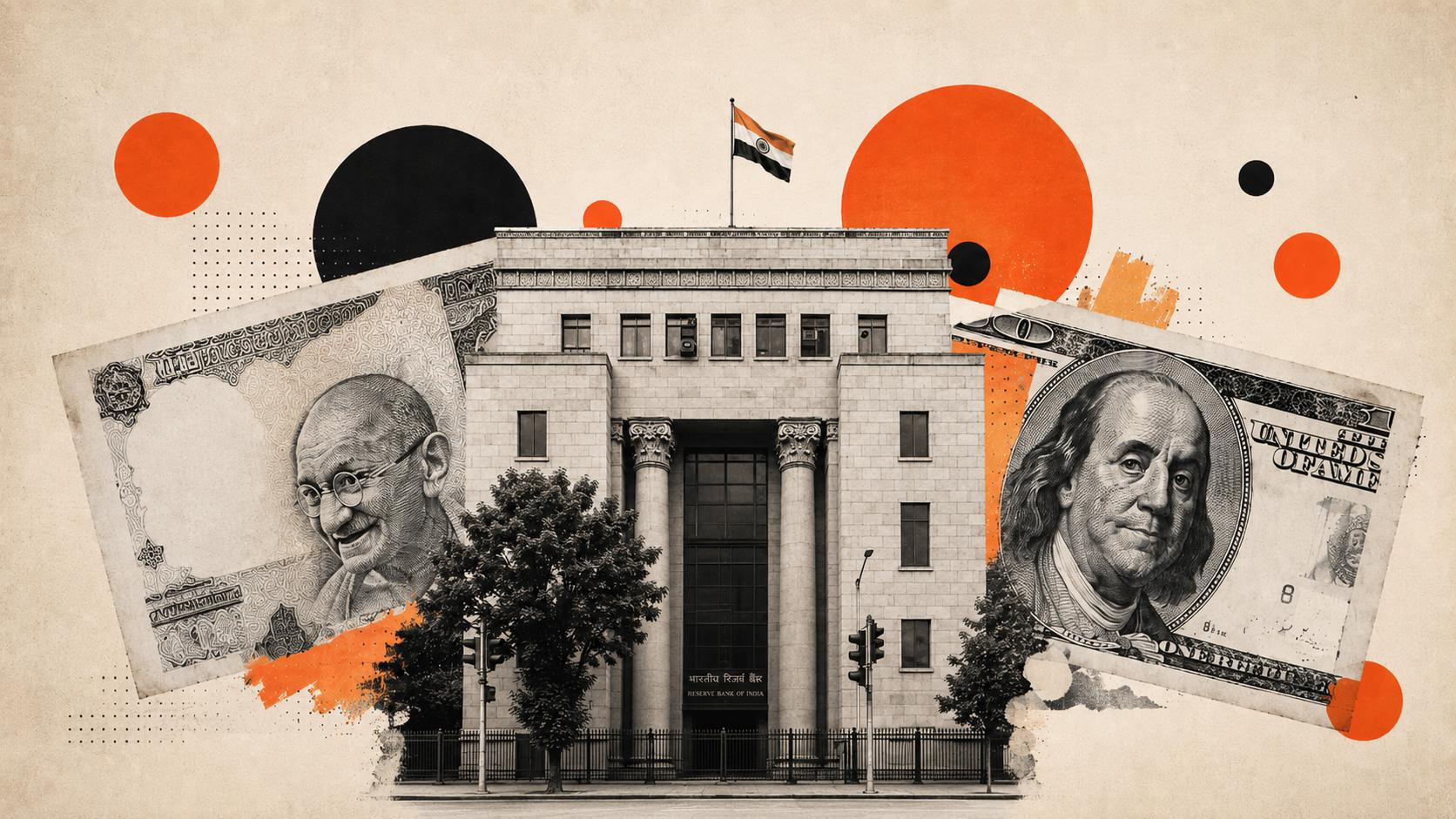
BNY's Geoff Yu anticipates the Reserve Bank of India to maintain the repo rate at 5.25%, utilizing macroprudential tools to ensure financial stability as the Indian Rupee (INR) continues to face pressure due to higher Oil costs and a stronger US Dollar. The report highlights that central banks in India and the Philippines are actively intervening to curb currency volatility, thereby capping the upside of USD/INR and USD/PHP, despite softer domestic fundamentals and elevated energy prices.
BNY's analysts foresee the Reserve Bank of India (RBI) maintaining an unchanged repo rate at 5.25%, viewing the challenging combination of persistent inflation and decelerating growth as a reason for a cautious, data-driven approach. Moreover, the RBI's primary focus will likely revolve around inflation expectations, supply-side risks, and macroprudential measures to safeguard financial and currency market stability rather than solely relying on interest rates policy.
In spite of these measures, the INR is projected to remain under pressure due to high oil prices and a strengthening US Dollar. Central banks in both India and the Philippines are committed to preventing currency volatility, effectively limiting upside in USD/INR and USD/PHP, even with softer domestic fundamentals and higher oil prices.
The FXStreet Insights Team, comprising skilled journalists, presents this analysis based on insights shared by experienced experts. The content incorporates observations from commercial sources and additional perspectives from internal and external analysts. While the British Pound is experiencing a slight decline against the US Dollar, trading in the mid-1.3400 range after peaking above 1.3500 earlier, weaker UK manufacturing data has exerted downward pressure.
EUR/USD is struggling to build on its recent gains but remains above 1.1500, benefiting from the US President's decision to call off an attack on Iran and the announcement of talks between the two nations, which will be closely monitored along with US ISM PMI data. Gold, however, has failed to capitalize on its weekly bullish momentum and remains below the $4,100 level, as the US Dollar shows a minor recovery from its lowest point since June 17, potentially limiting the commodity's upside.
The upside for the USD is constrained by renewed expectations of a US-Iran peace deal and decreasing expectations of US Federal Reserve rate hikes. Other economic indicators, such as the US Non-Farm Payrolls report and employment data from Canada and New Zealand, as well as Chinese trade and Japanese wage figures, will be closely watched.
However, developments surrounding Iran and artificial intelligence (AI) headlines continue to drive risk sentiment. Meanwhile, Solana (SOL) is trading downward, failing to regain its bullish momentum and is currently trading below its 50-day Exponential Moving Average at $75.68. Although SOL-focused Exchange Traded Funds have experienced a monthly inflow of $14.62 million in July, near-term retail support has weakened due to a negative funding rate.
Written by urgent.news from FXStreet's reporting — not their text. Machine-written — may contain errors; check the original before relying on it.
Also reported by 1 other outlet
- Indian Rupee flattens as focus shifts to RBI policy fxstreet.com