In a troubling sign, Nvidia RTX 50 series prices jump up to 30% in South Korea — TSMC wafer hikes and $20 GDDR7 modules push RTX 5090 past $5,100
The latest round of price increases affects the entire RTX 50 lineup, with premium models bearing the brunt of rising production costs.
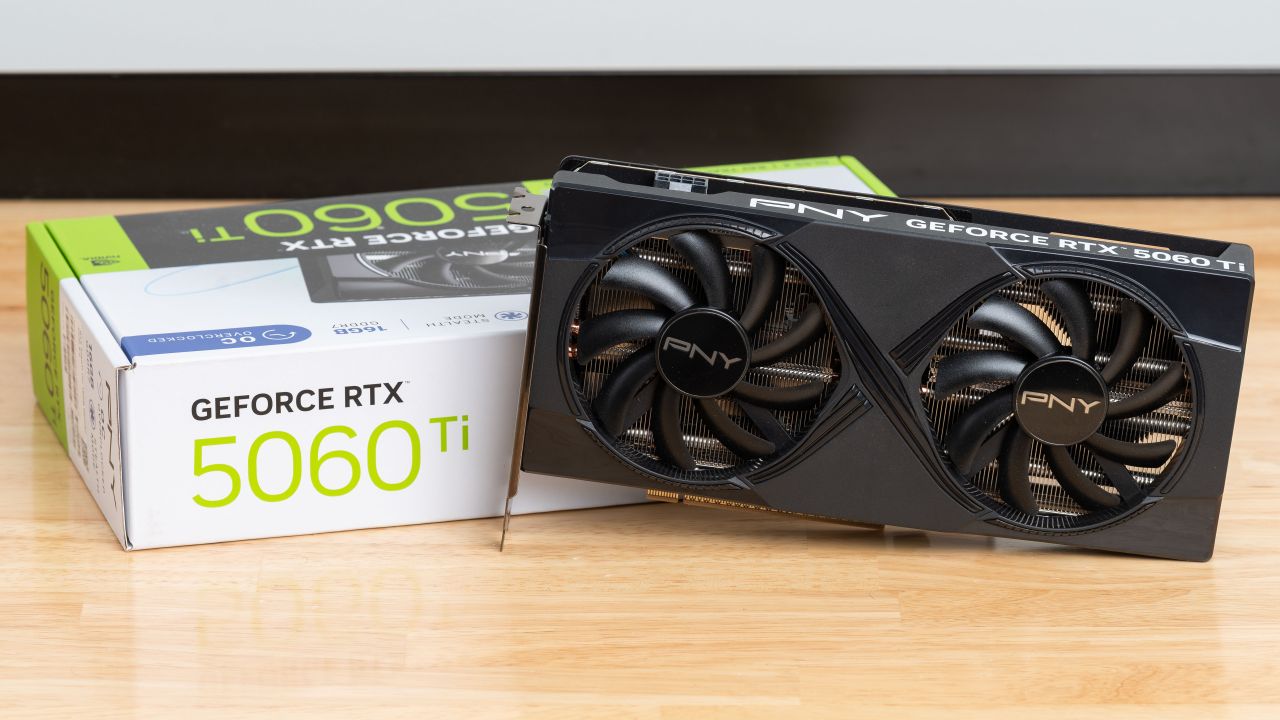
The current state of graphics card pricing in the market is a significant concern for many consumers. The release of the 50-series range of graphics cards from Nvidia and the 90-series from AMD, along with some entries from Intel, occurred in January 2025. However, more than half a year has passed since their introduction, and we are still more than halfway through 2026 without any hint of a new GPU release.
This delay in new GPU releases can be attributed to the increased costs associated with the production of these cards. One of the primary factors contributing to these costs is the high-speed memory used in the GPUs, particularly the amount of VRAM. The demand for AI technology has led to a significant increase in the prices of high-speed memory, which in turn has caused production costs to rise and boosted the expenses for AIB board partners who offer partner GPUs.
These manufacturing cost increases are ultimately passed on to consumers, resulting in higher prices for graphics cards.
The situation is further exacerbated by the lack of notable discounts during major sales events such as Black Friday or Prime Day. Although some GPUs initially launched with higher MSRP prices, many have seen their prices increase even more, with some, like Nvidia's GeForce RTX 5090, increasing by a staggering 114.5%. This trend is not limited to the top-tier cards; even the more affordable models have seen their prices climb steadily since launch, leaving consumers with limited options for purchasing a graphics card at a lower price point.
When considering which graphics card to purchase, it is essential to evaluate the features offered by each card and how they align with your specific needs and preferences. Factors to consider include the importance of features such as Ray-Tracing, frame gen technology, and video encoding and decoding capabilities. Additionally, researching the supporting software, such as Nvidia's FSR and DLSS, can provide valuable insights into the overall benefit of each card.
While AMD cards this generation have offered more VRAM on lower-end GPU SKUs, which can be advantageous for gamers playing on higher-resolution monitors with game settings at higher levels, it is crucial to weigh these factors against the overall cost of the card.
In the current market, finding a significant discount on a graphics card is challenging and may only be possible through stores making pricing errors or taking advantage of serious combo bundle deals from retailers. As new GPU lineups are announced, we can only speculate on potential reductions in onboard VRAM allocations, GPU die size, or core count increases.
However, one thing is certain: the new lineup will likely be more expensive than the current generation. Therefore, if you are looking to purchase a graphics card, it is advisable to make your decision based on the features offered and what you will make use of, rather than holding out for potential future price drops.
Written by urgent.news from Tom's Hardware's reporting — not their text. Machine-written — may contain errors; check the original before relying on it.
This story
This is one outlet's version. Read the fullest account.