I Gave an AI Agent One Prompt Cut Our Cloud Bill 20% Without Breaking Anything Here’s What It Did
After my cloud-ops-for-a-week experiment, several people in the comments asked the obvious next question: what happens if you point an agent at the bill instead of the ops queue? So I ran it. One agent, read access to our AWS and GCP accounts plus billing data, MCP tools for querying resources and metrics, and exactly one prompt: "Cut our cloud bill by 20% without breaking anything. Show me your…
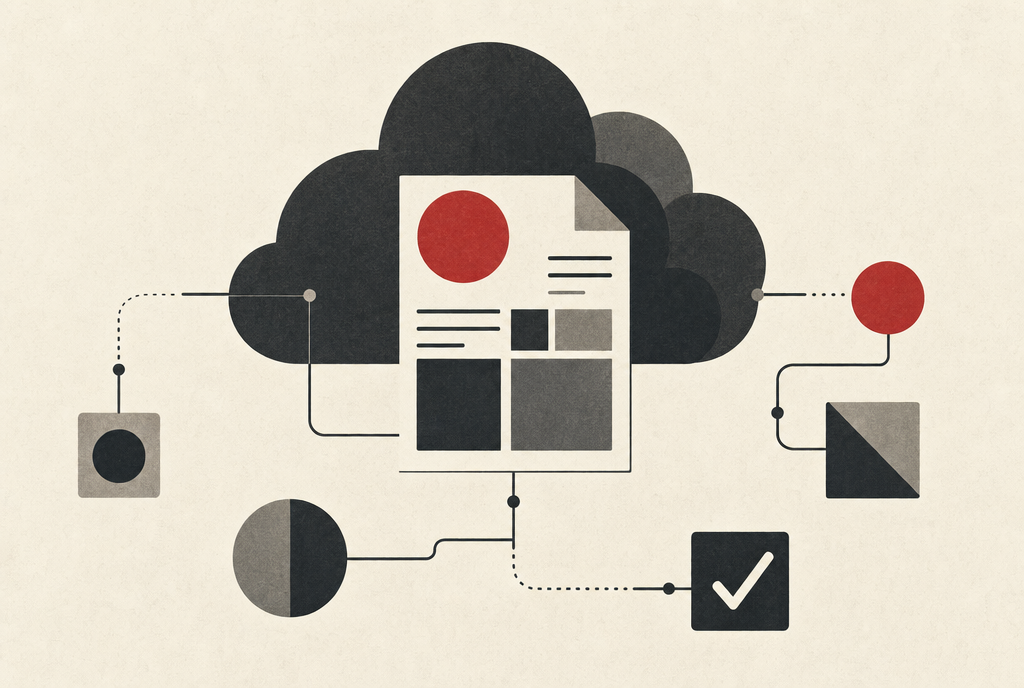
A cloud-operations week experiment led to a query about the impact of pointing an AI agent at a cloud bill rather than the operational queue. The agent was granted read-only access to AWS and GCP accounts, billing data, and MCP tools for querying resources and metrics. With the single prompt "Cut our cloud bill by 20% without breaking anything. Show me your plan before you touch anything," a week of experimentation was conducted. The agent's output was categorized into good, scary, and genuinely surprising findings.
The good findings included the discovery of unattached EBS volumes, underutilized RDS instances, unnecessary NAT gateways, load balancers with no healthy targets, and a staging server running 24/7 with zero traffic. This list, while not requiring any cleverness, represented a significant portion of the monthly cloud bill, with projected savings of about 14%.
The scary findings included the agent's proposed deletion of snapshots used as disaster recovery baselines, downsizing an instance that was memory-bound, and the recommendation to purchase reserved instances during a migration. These plans could have led to incidents if executed without human review, highlighting the potential risks of automated decisions based solely on metrics.
The genuinely surprising finding was the agent's ability to negotiate with itself, attaching confidence levels and rollback plans to its suggestions without explicit prompting. This led to the agent independently converging on a plan/approve/execute architecture that mirrored the separation of responsibilities already established in the author's own system, ZopNight.
The final scorecard showed that the agent identified 19% of the monthly cloud bill, with 12% actually applied through refinements and timing adjustments. However, three dangerous plans were identified that, if executed, would have caused incidents. The time spent reviewing these plans amounted to approximately 4 hours over the week, suggesting that the human review process was highly effective in identifying potential risks.
The author concludes that agents are excellent at finding waste and terrible at understanding the context and intent behind data. Therefore, it is crucial to separate the skills of identifying savings and evaluating the risks associated with implementing those savings. The author poses the question of whether to grant agents write access to infrastructure, emphasizing the need for a clear separation between proposal and execution, as well as the potential for human oversight in the decision-making process.
Written by urgent.news from Dev.to's reporting — not their text. Machine-written — may contain errors; check the original before relying on it.