Humpback sightings fall 60% as weakened seabirds reach Australia’s east
Unusual whale and seabird sightings in the Southern Ocean suggest changing ocean conditions. Marine heat waves are affecting waters around Australia and Antarctica. These warming events disrupt food webs and push marine life off course. Limited monitoring hinders understanding of these significant ecosystem shifts. Better long-term data is urgently needed to track these accelerating changes.
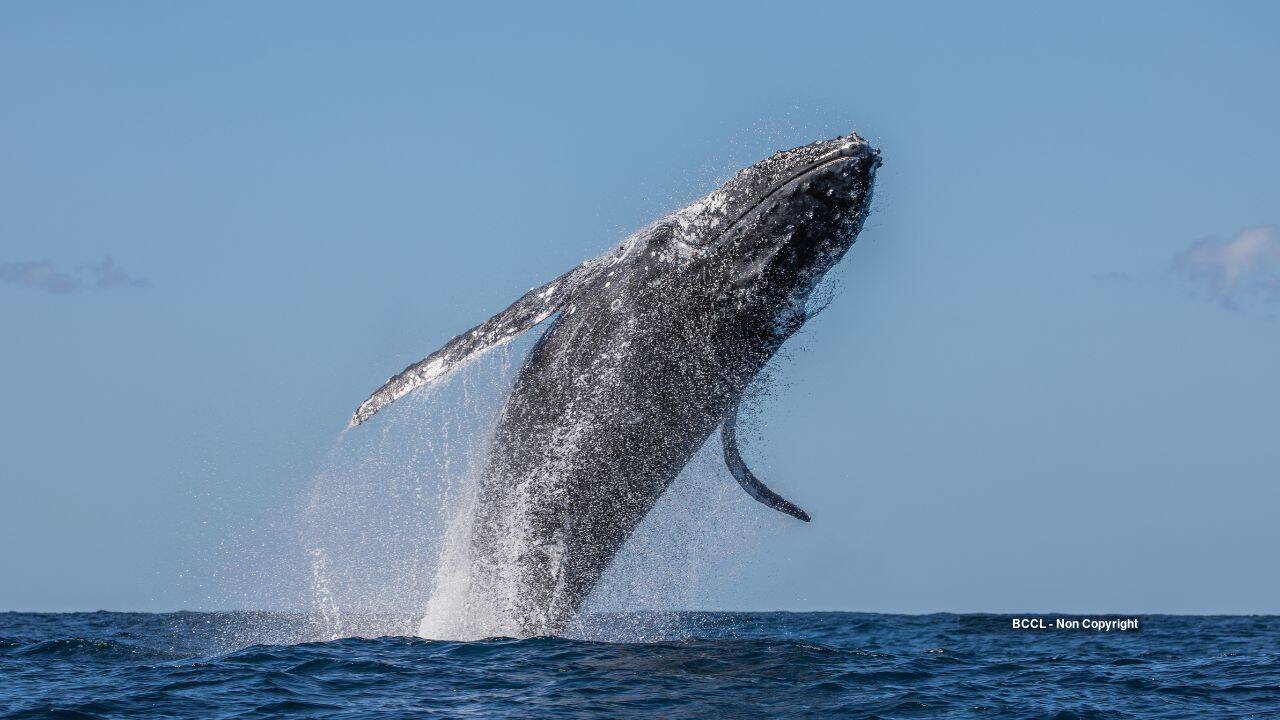
In late June, whale watchers in southwest Western Australia observed a significant drop in humpback whale sightings, approximately 60% below the norm, during the expected migration period to calve and feed. Concurrently, birdwatchers on Australia’s east coast reported spotting rare albatrosses and petrels far from their traditional Southern Ocean feeding grounds, with many of the birds appearing weak or in poor condition, according to a Phys.org report.
While these two occurrences may initially appear unrelated, they raise a critical question: could changing ocean conditions be steering marine life off course?
The Southern Ocean, traditionally one of the coldest marine environments globally, is not immune to warming. Researchers point out that marine heat waves can impact even Antarctic waters, and even a modest increase in temperature can disrupt food webs adapted to colder conditions.
Since February, persistent marine heat waves have affected waters around Heard Island and McDonald Islands and extended as far south as the edge of Antarctica’s sea ice. Similarly, a heat wave has persisted in the southern Tasman Sea since at least April. Both regions are among the fastest-warming ocean areas globally.
This matters because whales, seabirds, and other predators rely on specific ocean conditions. If water warms, currents shift, or prey moves, these animals may follow the food or find themselves in unfamiliar territories.
The decline in humpback whales is particularly concerning due to their typical reliability as seasonal visitors along Australia’s west coast. Any sudden drop in numbers could signal alterations in migration timing, feeding conditions, or overall ocean health.
The seabird sightings are equally striking. Birdwatchers described this as a "once-in-a-lifetime" event, with albatrosses and petrels appearing thousands of kilometers east of their usual foraging range. Some of the birds were in poor condition, indicating potential stress or their search for food in unusual locations.
These movements can serve as a warning signal. Marine mammals and seabirds do not travel randomly; they often follow currents, weather patterns, and prey fields. When their routes change, it may indicate that the ocean itself is undergoing changes.
Marine heat waves can profoundly reshape ecosystems. The infamous "the Blob" in the North Pacific between 2014 and 2016, caused by unusually warm water, led to the disappearance of kelp forests, millions of starfish deaths, whale impacts, and significant seabird starvation. Over 240 species were observed outside their usual ranges, underscoring the far-reaching consequences of even minor warming.
Scientists believe a smaller but equally damaging situation may now be occurring in the Southern Ocean. However, the region's difficulty in monitoring makes it challenging to grasp the full extent of the issue.
Prior research has linked warmer waters to changes in zooplankton communities in Tasmania, affecting seabirds, fish, and whales as key food sources. In the Southern Ocean, warmer surface waters hinder female Antarctic fur seals from finding prey while raising their pups, leading to population declines and pup deaths in some areas, pushing the species towards endangered status.
The current sightings are more than just a wildlife oddity; they may be part of a broader pattern where warming waters, shifting prey, and altered currents are changing survival zones for animals.
The situation becomes even more concerning given the timing. Just weeks before the rare seabird sightings, Australia confirmed its first case of highly pathogenic H5N1 bird flu in a dying migratory seabird. While this does not prove a direct link between the seabird movements and bird flu, it adds another layer of stress to already vulnerable populations. Weakened birds due to lack of food or harsh conditions may experience more severe disease outbreaks or have worse effects.
Researchers are closely monitoring both climate risks and the spread of disease. These factors can interact in unpredictable ways, making the current situation a matter of significant concern.
One of the biggest challenges is the limited monitoring of the Southern Ocean. There are significant gaps in understanding how marine heat waves affect krill, fish, whales, and seabirds across the region. While we know that Antarctic krill are vulnerable to environmental changes, the impact of a specific heat wave on their abundance and how it affects the food chain remains unclear.
This limitation makes it difficult to determine whether the unusual sightings are a temporary fluctuation or the beginning of a more serious trend.
Scientists acknowledge that climate change is occurring faster than monitoring systems designed to track it. Without improved long-term data and comprehensive monitoring of key species, breeding sites, feeding areas, and food supplies, it becomes challenging to differentiate natural variations from genuine ecosystem shifts.
To address this, researchers advocate for long-term, coordinated monitoring of critical species, breeding sites, feeding areas, and food sources. This would involve tracking animals over extended periods, not just during isolated surveys, and integrating that information with ocean data on temperature, currents, and prey availability.
While such monitoring would be costly and complex, the benefits could be substantial. Enhanced monitoring would enable authorities to respond promptly to declines in fish numbers, adjust fishing practices as needed, or provide more support to protected areas. Most importantly, it would help scientists understand whether these changes are temporary or indicative of a more profound ecosystem shift.
Written by urgent.news from Times of India's reporting — not their text. Machine-written — may contain errors; check the original before relying on it.