How the Iran War Will Determine Britain's Economic Growth
The Iran war could “halt growth” in the UK economy as the success of Andy Burnham and John Healey’s economic management largely hinges on President Trump’s decision-making, a City firm has warned. Big Four consultancy EY has said that the UK economy could perform better than first expected this year as its growth forecast was revised up to 0.9 per cent. But economists at the firm said baseline…
The Iran war could potentially stifle economic growth in the UK as President Trump's decision-making largely influences the success of Andy Burnham and John Healey's economic management strategies, a City firm has cautioned. The UK's growth forecast was revised upwards to 0.9 percent this year, but economists at the firm stated that the outcome hinged on the Strait of Hormuz being opened, enabling about a fifth of global oil and gas supplies, along with crucial goods, to exit the Gulf area.
Prolonged energy price disruptions could impede growth in 2027, with EY analysts predicting that growth would slow to 0.5 percent this year and contract by 0.2 percent the following year if disruptions persist into the middle of 2027. While inflation is projected to reach 3.5 percent by the end of the year, the firm's adverse scenario indicated that it could surge to 6.4 percent within months.
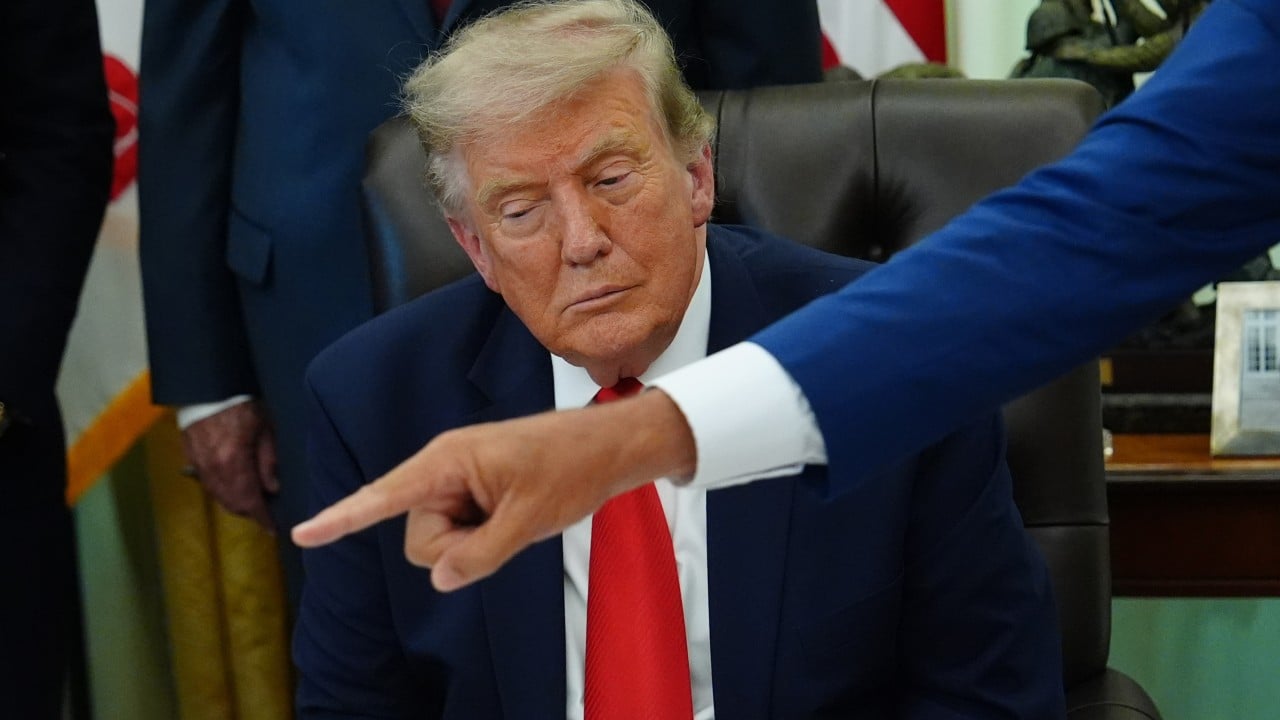
President Trump reportedly hinted at a near-agreement on a peace deal with Iran, raising hopes that the global economy might avert the most severe economic consequences of war. However, investors and policymakers might remain skeptical of any declarations from Trump or Iranian leaders due to a Memorandum of Understanding that unravelled when strikes by Iran and the US broke a 60-day ceasefire.
EY's forecasts cast a shadow over Burnham's optimism for the UK economy and his efforts to alleviate the cost of living burden on businesses and households. Chancellor John Healey acknowledged that the government cannot entirely prevent the financial strain faced by businesses and families in the coming months. EY's chief economist in the UK, Peter Arnold, noted that recent volatility in oil and gas prices would once again test the country's resilience to shocks, even as growth surpassed expectations in the first half of the year.
He added that the nation would rely on technology and some business services to spur growth, with construction remaining a concern due to skyrocketing costs, which have surged by over 30 percent since 2019. Vacancies in the construction sector are the sole private industry that has maintained levels above pre-pandemic, while job postings have declined across manufacturing and services. EY's analysis suggested that agentic AI could enhance productivity across the economy.
Written by urgent.news from OilPrice's reporting — not their text. Machine-written — may contain errors; check the original before relying on it.