How Barnes & Noble CEO James Daunt tapped his indie bookstore cred to revive the big-box chain
After years of cookie‑cutter layouts and publisher‑paid shelf space, Daunt is remaking Barnes & Noble as a network of locally curated shops—ending co‑op deals and betting discovery will better compete with Amazon.
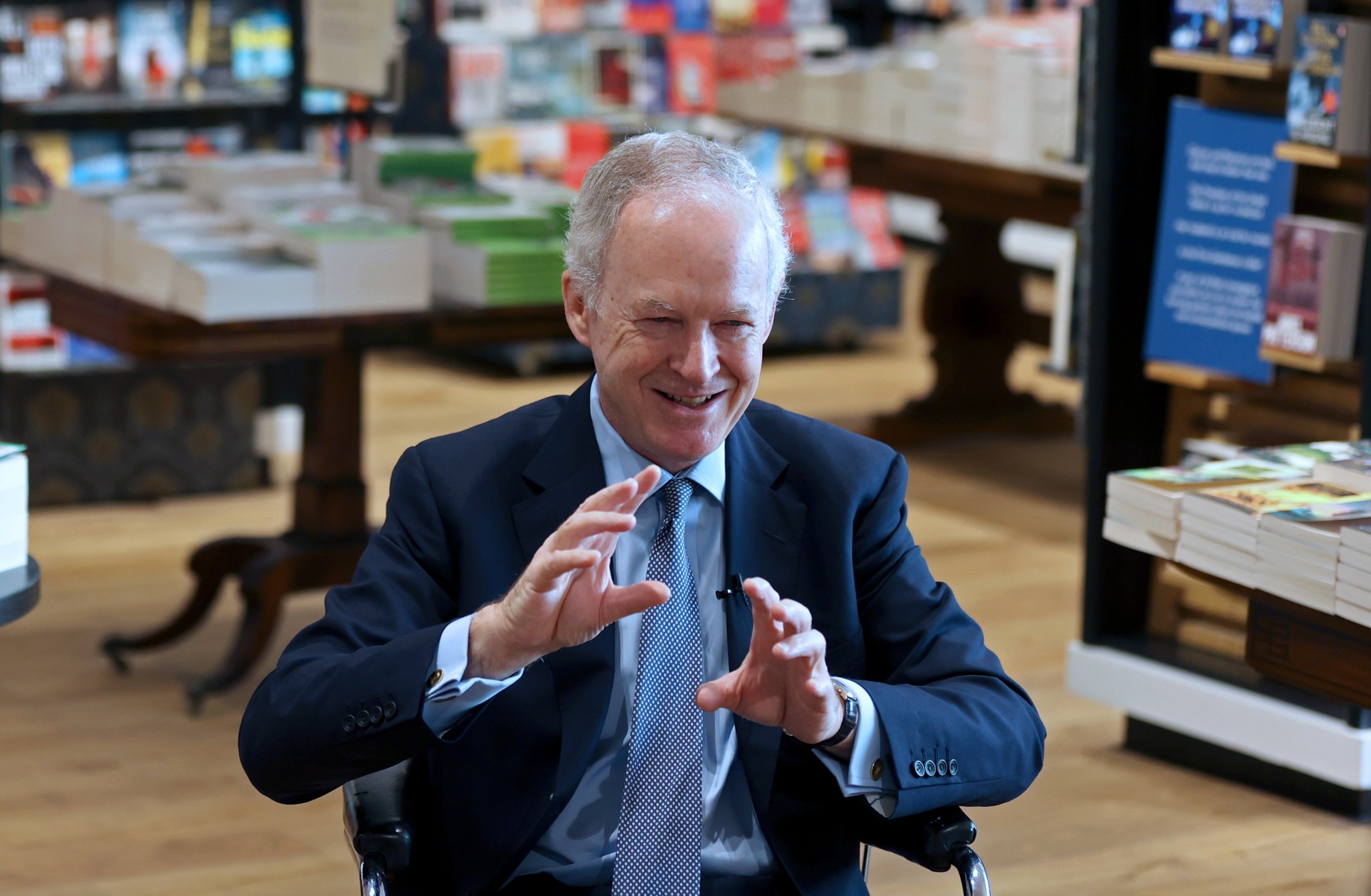
In 2019, James Daunt became the CEO of Barnes & Noble, aiming to transform the struggling big-box chain into a more welcoming and diverse environment reminiscent of independent bookstores. The company had been taken private by Elliott Advisors for $683 million due to sales declines and a loss of charm in their uniform stores. Daunt, a British CEO with experience reviving Waterstones and running Daunt Books in London, sought to infuse Barnes & Noble with the charm and atmosphere of his namesake chain.
Daunt recognized that uniformity in Barnes & Noble stores was a major issue, and he decided to empower individual stores to choose their own inventory and display methods. This decision involved eliminating the "co-op advertising" practice, where publishers provided Barnes & Noble with a discount on books in exchange for prime real estate and a guaranteed sales position.
This arrangement, while providing some financial stability, made the stores dull and limited the ability of employees to provide personalized service to customers.
The new strategy involved giving each regional cluster of stores wide discretion over what to stock, allowing them to curate their own assortment based on customer preferences. Additionally, Daunt began placing smaller initial orders of books, even for titles expected to sell well, while ordering a greater variety overall. This approach aimed to create a sense of discovery for customers and made the stores more enjoyable places to work for employees.
Although Barnes & Noble does not disclose financial information, reports of a potential IPO and continued store growth suggest that the company is on a stronger financial footing than it was during the 2010s. With the missteps that led to massive sales declines, store closures, and financial losses under previous leadership, the company has managed to reverse its fortunes under Daunt's stewardship.
As a private company, Barnes & Noble has not disclosed its financials, but the positive trends include opening dozens of new stores annually, with over 50 new locations added in the past year alone. The company has also remodeled many of its existing stores, installing modular shelving, improving lighting, and reorganizing book displays. These changes have drawn attention from media outlets and boosted investor confidence, potentially paving the way for an eventual initial public offering.
The timing of Barnes & Noble's store openings coincides with a resurgence in independent bookstores. According to the American Booksellers Association, 605 new independent bookstores opened in the U.S. in 2025, an 87% increase from the previous year. While book sales are growing at a slower pace than in the past, Daunt believes that the narrative of big-box stores killing independent bookstores is a misconception.
He emphasizes that a better bookstore experience can lead to increased book sales and overall market growth, suggesting that the expansion of Barnes & Noble does not pose a threat to independent stores.
Written by urgent.news from Fortune's reporting — not their text. Machine-written — may contain errors; check the original before relying on it.