How a fringe idea about race took over the Supreme Court
Last June, in a case that effectively guaranteed one of Alabama’s Black Democratic members of Congress would be replaced by a white Republican, the Supreme Court used a single word that delighted movement conservatives and made many longtime civil rights advocates want to weep. In the first sentence of its decision in Allen v. Milligan […]
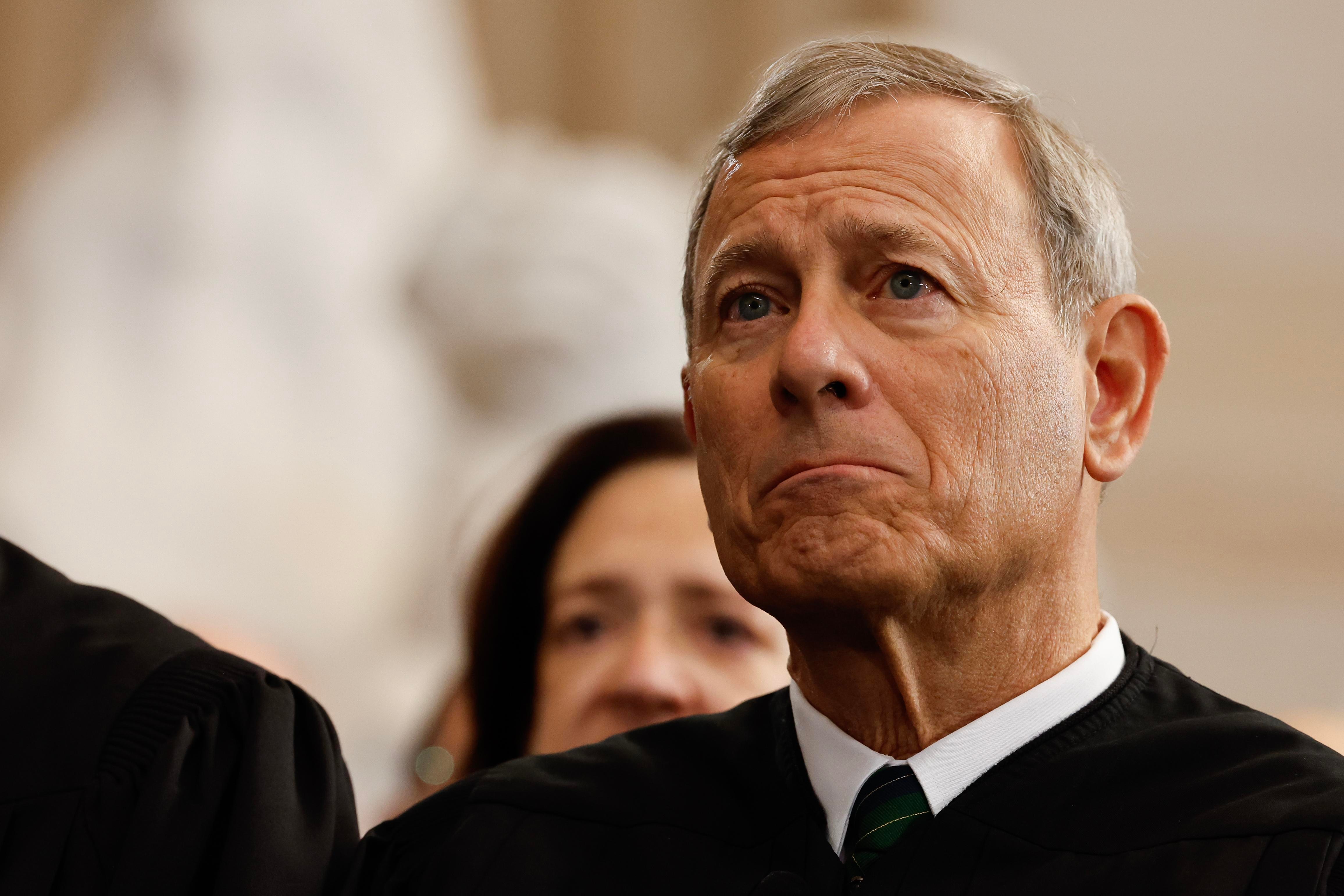
In a recent Supreme Court decision, the phrase "colorblind Constitution" was utilized, which has resonated with conservative conservatives and caused distress among civil rights advocates. The decision in Allen v. Milligan (2026) highlighted a significant tension between the federal Voting Rights Act (VRA), a landmark law that ended Jim Crow-era discrimination in elections, and the supposed "colorblind" Constitution.
The concept of colorblindness has been a long-standing notion within the Republican Party, with proponents arguing that any law drawing distinctions based on race is unconstitutional. This ideology, once considered a fringe idea, has now become a cornerstone of the judicial system. The decision in Allen v. Milligan exemplifies how colorblindness has enabled the Court to dismantle key components of the VRA, effectively overturning a 1982 amendment that had been signed by President Ronald Reagan.
The colorblind thesis, which traces its roots to Justice John Marshall Harlan's dissent in Plessy v. Ferguson, was once an outlier perspective. However, it has now permeated the conservative legal movement, fueled by a faction within the GOP. This ideology has been instrumental in shaping the Court's decisions, including its rulings on affirmative action in universities and public school integration.
By implementing colorblindness, the Court has virtually ended affirmative action in higher education and undermined the VRA, leading to a purge of programs aimed at benefiting historically disadvantaged groups.
The GOP's hard-right turn against laws like the Voting Rights Act is a relatively recent development, but it is the result of decades of work by a small, influential faction within the party. This faction has successfully captured both the party and the Supreme Court, seeking to lock its approach to racial questions in place indefinitely.
Written by urgent.news from Vox's reporting — not their text. Machine-written — may contain errors; check the original before relying on it.