HOAs are often barriers to sustainable landscaping and solar energy – here’s how they could be bridges instead
Climate change, biodiversity loss and water conservation are often framed as problems in need of national policies. However, there is an often more important level of governance: the neighborhood.
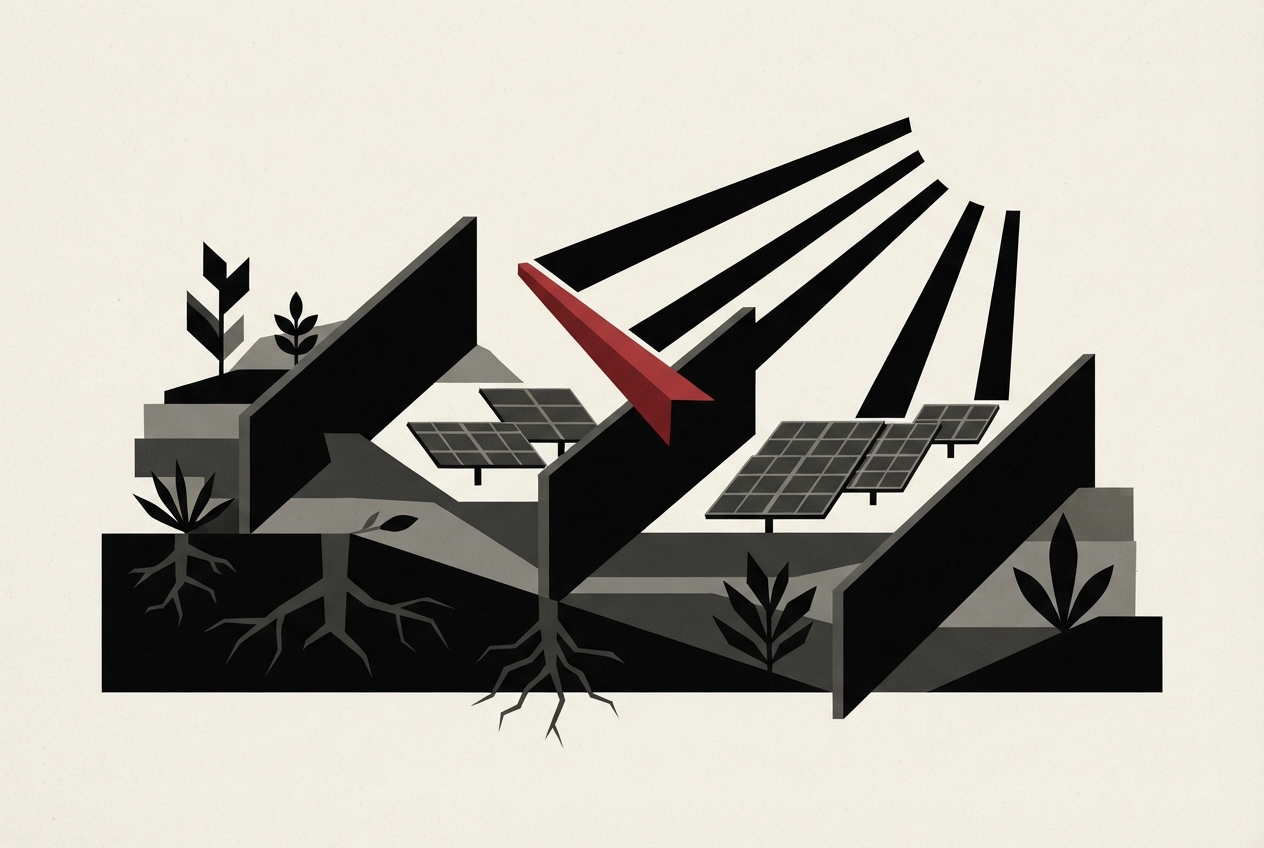
Across the United States, roughly two-thirds of newly built homes belong to a neighborhood homeowners association (HOA). While some HOAs have adopted environmentally friendly practices, many continue to erect obstacles to sustainability. The Crouch family, for instance, spent over a decade striving to transform their Maryland yard into a bird and pollinator haven using native plants and trees.
However, their HOA ordered them to replace the landscaping with turfgrass, leading to an expensive legal battle that ultimately influenced Maryland's 2021 low-impact landscaping law.
HOAs operate as a bridge between private property and local governments, enforcing rules, collecting fees, assessing fines, and maintaining shared spaces. They also regulate various aspects of homeowners' lives, from yard size and materials to outdoor lighting and energy production. The policies of these organizations can significantly impact how neighborhoods utilize water, generate energy, offer wildlife habitats, and adapt to climate change.
A study of 31 Ingham County, Michigan homeowners associations revealed that a majority of their CCRs created barriers to residential sustainability. Turfgrass lawns, a popular American preference, demand regular mowing, fertilizing, and watering, resulting in increased greenhouse gas emissions and water consumption. Additionally, these lawns provide minimal biodiversity, especially for pollinators and birds.
HOAs' uniformity promotes lawns even in states like Texas, where heat and drought are increasingly prevalent. California has implemented stricter protections, including voiding HOA rules that ban water-resistant plants or artificial turf or mandate turfgrass, although HOAs can still exert control over various homeowner decisions.
Written by urgent.news from The Conversation's reporting — not their text. Machine-written — may contain errors; check the original before relying on it.