Glide bombs: How these cheap weapons are giving Russia its battlefield edge back in Ukraine
The Ukraine conflict showcases new combat innovations, especially Russian glide bombs. These weapons allow strikes from safe distances, protecting aircraft from enemy defenses. Russia uses conversion kits and purpose-built munitions to leverage vast bomb stockpiles effectively. India is also developing its own glide bombs for deep strike capabilities. These advancements aim to hit targets with…
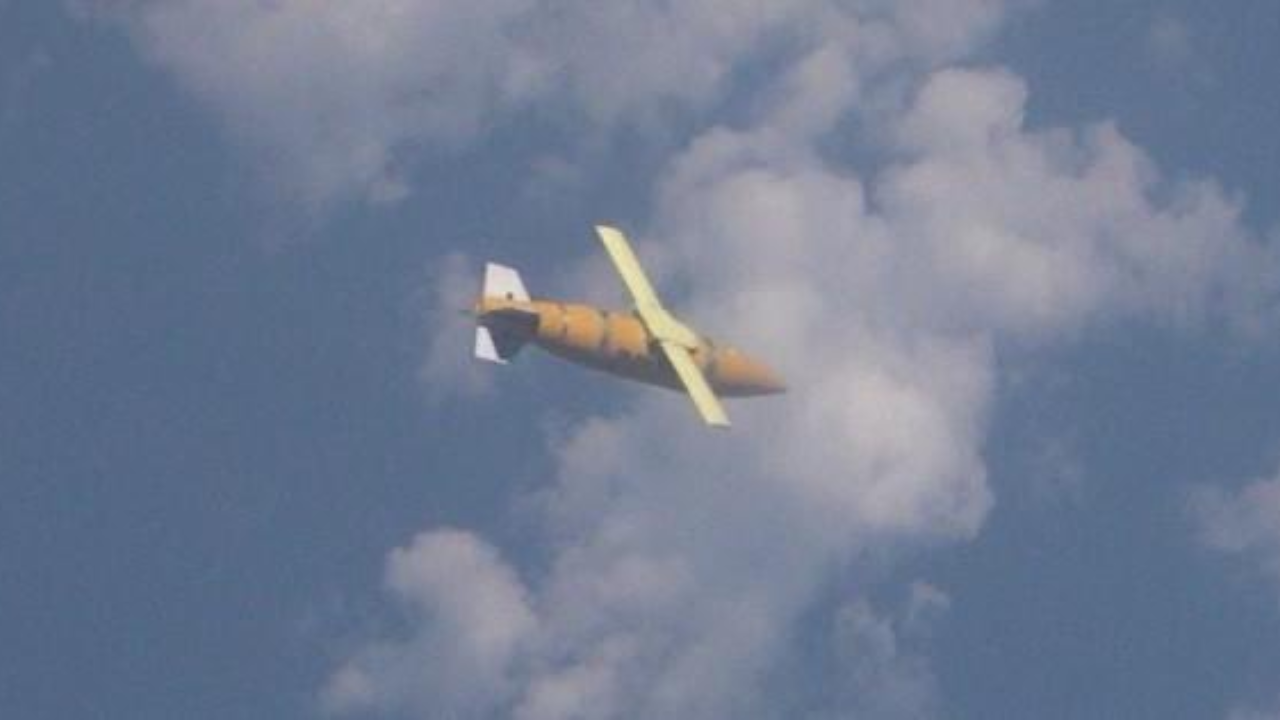
The ongoing conflict in Ukraine has showcased various advancements in contemporary warfare, with glide bombs emerging as a significant innovation, particularly favored by Russia. These weapons enable Russian forces to launch attacks from considerable distances, thereby enhancing safety for aircraft by minimizing exposure to Ukraine's robust air defenses.
Glide bombs contrast with traditional unguided munitions as they incorporate aerodynamic components, like retractable wings, facilitating extended flight ranges. Upon release, these bombs glide towards their designated targets, guided by sophisticated systems that merge satellite and inertial navigation for the necessary precision, allowing the launching aircraft to maintain a safe distance from enemy defenses.
This stand-off capability has been instrumental in enabling Russia's Su-34 and Su-35 fighter jets to deliver substantial payloads while maintaining a protective buffer. Glide bombs are primarily categorized into two types: conversion kits designed to transform existing bombs into precision-guided glide munitions, and purpose-built glide bombs engineered for enhanced aerodynamics and longer ranges.
Russia has developed an affordable conversion kit named UMPK, costing around $20,000, which retrofits old Soviet-era FAB-500 and FAB-1500 bombs into sophisticated glide munitions. Additionally, Russia has recently introduced the Universal Interspecific Glide Munition (UMPB), a bespoke bomb with superior aerodynamics and a range of approximately 90 km.
Many of these weapons are equipped with substantial explosive payloads, akin to those of cruise missiles, while delivering accuracy comparable to more expensive cruise missiles. The affordability and extended range of stand-off weapons can pose significant challenges to advanced air defense systems. Countering such threats necessitates a multifaceted approach, integrating concealment, electronic warfare, inexpensive interceptors, and robust counter-air defenses.
India is also investing in its own range of glide bombs across various weight classes to effectively target diverse objectives. One such weapon is the Defence Research and Development Organisation's (DRDO) Smart Anti-Airfield Weapon (SAAW), boasting a range of up to 100 km. There are also plans to create a turbojet-powered variant with an extended range of around 200 km.
The DRDO is further developing the Gaurav series of glide bombs in 500 kg and 1,000 kg versions, each equipped with a range of about 100 km. These weapons will empower the Indian Air Force with the capability to hit targets deep within hostile territories while reducing the risk to aircraft and crew.
Written by urgent.news from Times of India's reporting — not their text. Machine-written — may contain errors; check the original before relying on it.
This story
This is one outlet's version. Read the fullest account.
- 'Beaten until they enlisted': Russia ramps up forced recruitment amid Ukraine losses timesofindia.indiatimes.com