Germany's Energy Revolution: Wind and Solar Overtake Fossil Fuels for the First Time
Germany's Energy Revolution: Wind and Solar Overtake Fossil Fuels for the First Time In 2026, Germany crossed a historic threshold: for the first time, wind and solar photovoltaic (PV) systems generated more electricity than fossil fuels across the year. This isn't just a statistic—it's a fundamental shift in how Europe's largest economy powers itself. According to data from the Fraunhofer…
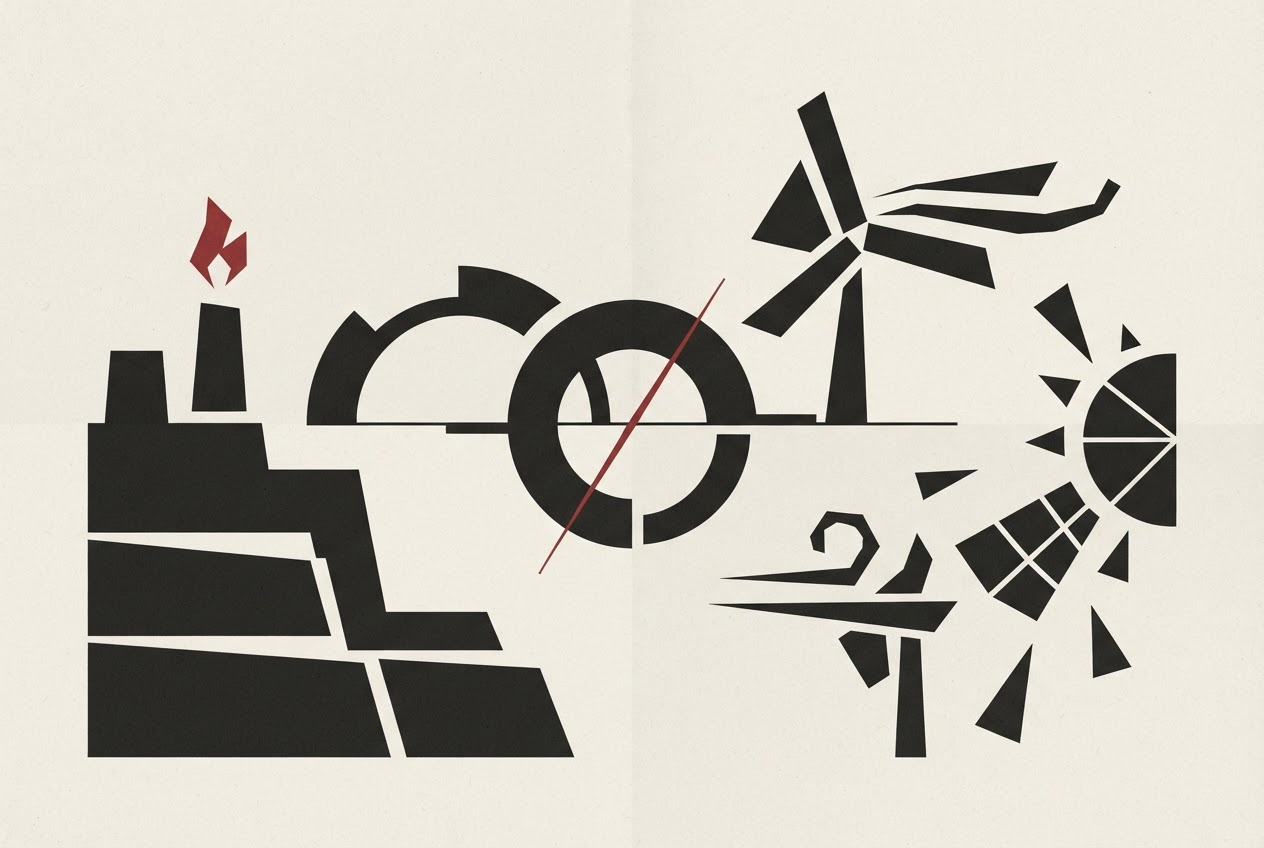
In 2026, wind and solar photovoltaic (PV) systems in Germany generated more electricity than fossil fuels for the first time, marking a major shift in the country's energy landscape. According to Fraunhofer Institute for Solar Energy Systems data, renewables accounted for over 62% of Germany's net public electricity generation, with wind and solar alone contributing roughly 54%. Fossil fuels, including coal, gas, and oil, shrank to just 28% of the mix.
This milestone wasn't just a result of favorable weather; it signified a structural transformation in Germany's energy sector. Wind power (onshore and offshore) contributed about 38% of net electricity generation, while solar PV contributed around 16%.
Several factors facilitated this transition. Capacity additions, such as the installation of 10 GW of new solar PV in 2025 and 2 GW of offshore wind, were crucial. The retirement of hard coal plants in 2024 and the accelerated phase-out of lignite also played a significant role. Grid and storage improvements, including a doubling of battery storage capacity to 12 GW, helped integrate intermittent renewables.
Germany's grid, known for its high reliability (99.9% uptime), managed the transition through interconnection with Europe's synchronous grid, allowing excess wind power to be exported to neighboring countries and importing hydro power from Scandinavia when needed. Utility-scale battery storage has also exploded, with ~1.5 GW/2.5 GWh added in 2025 alone, helping shift solar power from midday peaks to evening peaks.
Market design, including negative electricity prices during high solar generation, incentivized flexible consumers like electric vehicle chargers and heat pumps to shift load.
Technological innovation, such as virtual power plants (VPPs) aggregating distributed solar and battery systems, also played a critical role. A Python VPP example demonstrated how software could manage distributed assets, enabling Germany to handle high renewable penetration.
Germany's policy framework was instrumental in this transition. The Renewable Energy Act (EEG), introduced in 2000, provided feed-in tariffs that guaranteed grid access and fixed payments for renewable producers. Carbon pricing through the EU Emissions Trading System (ETS) made coal increasingly costly, with a CO2 price of €80/tonne in 2025. Accelerated permitting processes reduced the average project time for wind and solar from 5 years to 2 years.
Despite these achievements, some aspects of the energy transition remain complex. Germany's electricity prices have fallen when renewables are high, but the overall economic impact of the transition is still an area of ongoing analysis. Nevertheless, Germany's experience offers valuable lessons for other nations wrestling with the challenge of integrating renewable energy into their grids.
Written by urgent.news from Dev.to's reporting — not their text. Machine-written — may contain errors; check the original before relying on it.


