From Wales to Hormuz, the world's food system is running out of road
For farmers such as North Wales-based George Tomlinson, the declaration of drought conditions last week was a confirmation of hard times. It is not just the increasingly hard ground and dusty dry patches across every field. It is the empty storage barns as crops come in shorter and are cut earlier. Mr Tomlinson has described how devastating the lack of rain has been for his farm. The straw crop…
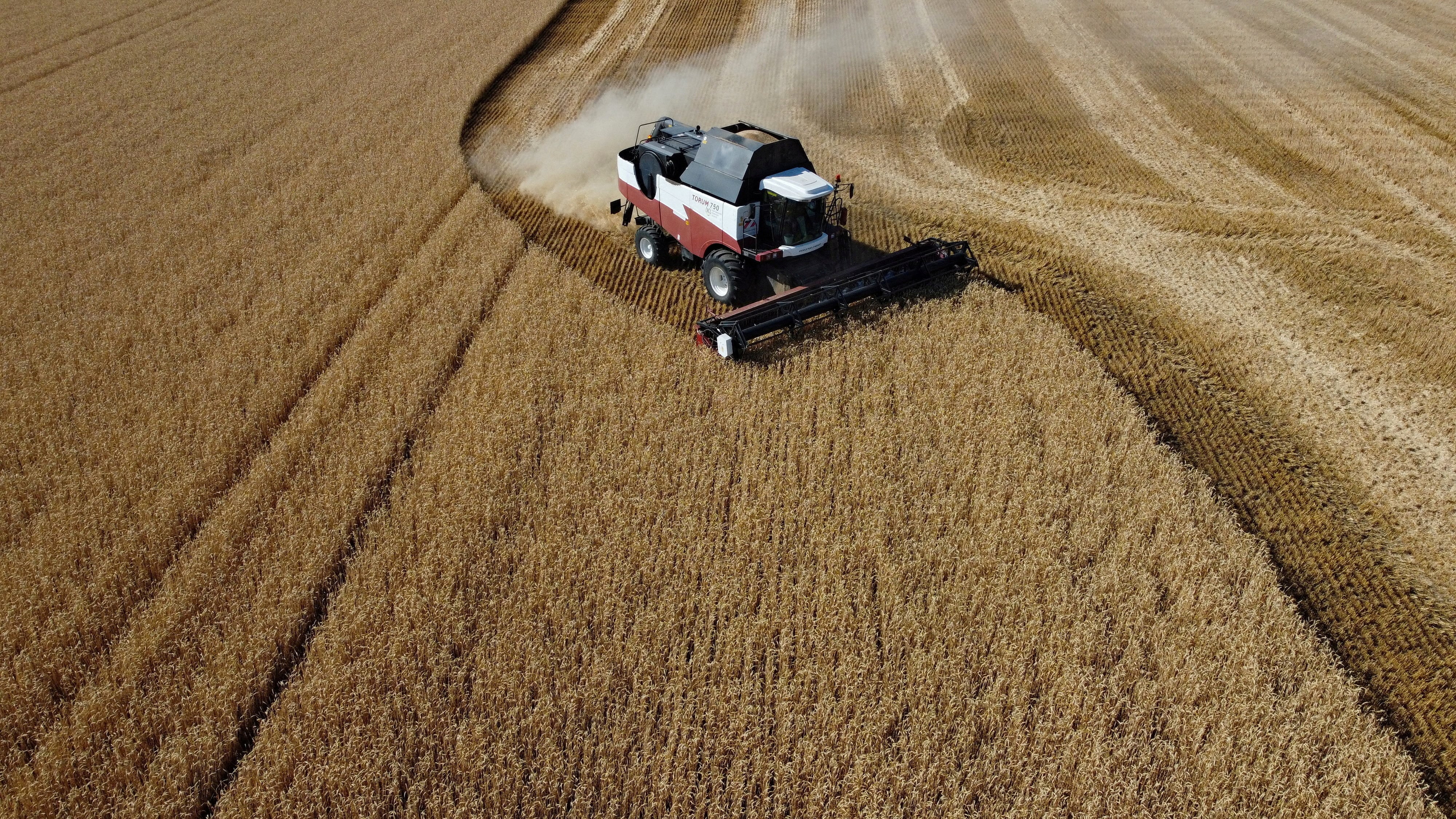
The world's food system is on the brink of a fifth crisis, as drought conditions across Wales and the UK confirm the challenges faced by farmers. The lack of rain has led to reduced crop yields, earlier harvests, and decreased livestock sales. This situation is mirrored across the globe, with a growing concern that the food system's resilience is being tested by climate change and conflict.
The current El Niño is exacerbating the problem, causing rainfall disruptions and heightened temperatures in various regions. India's monsoon is running below average, threatening the subcontinent's billion-plus population. Hotter and drier conditions are expected across multiple continents, including Europe and Africa.
The crisis is further complicated by the fertilizer shortage, primarily due to the US-Iran war. Fertilizer prices have risen by a third compared to last year, despite market stabilization efforts by Arab Gulf state producers. The Strait of Hormuz, a crucial trade route, remains a point of contention, hindering the production and distribution of essential agricultural inputs.
The situation is dire, with the International Rice Research Institute reporting that farmers in key markets like Thailand are paying up to 50% more for fertilizers than they did in 2025. Diplomacy and peace are essential to address these pressures, as they provide the necessary space to tackle the mounting challenges facing farming.
The world has already experienced four significant food crises in the 21st century, each with political and economic implications. A fifth crisis could push up to 10 billion meals per week off the global food system, potentially driving 45 million people into acute hunger. The immediate concern is ensuring sufficient food supplies to prevent runaway inflation, which can reach triple digits in war zones and double-digit rates in advanced economies.
Technological and genetic advancements are helping agriculture adapt to these shortages. However, rice yields are projected to decline by 8.1% for every 1°C of global warming, twice the rate of previous estimates. This highlights the urgent need for sustainable consumption practices and the role of innovation in ensuring food security amid mounting pressures.
Written by urgent.news from The National UAE's reporting — not their text. Machine-written — may contain errors; check the original before relying on it.